

Most homeowners assume tree service means someone shows up, cuts a branch or two, and leaves. The reality is far more detailed. Understanding what is tree service scope of work helps you know exactly what you're paying for, what a contractor is responsible for, and how to protect yourself if something goes wrong. A professional tree service scope covers everything from the specific trees being worked on to cleanup standards, timelines, and warranties. This guide breaks down every major component so you can hire with confidence and avoid costly surprises.
Table of Contents
- Key takeaways
- What is tree service scope of work
- Core tree services and what each one involves
- Additional services within a full tree care scope
- How to read and use a tree service contract
- Shreveport-specific factors that affect your tree service scope
- My take on what most homeowners get wrong
- Get a clear, detailed scope from Briley Tree Service
- FAQ
Key takeaways
| Point | Details |
|---|---|
| Scope of work is a contract | A written scope defines exactly which trees, techniques, and cleanup standards apply to your job. |
| Services go beyond trimming | Professional tree care includes removal, stump grinding, health assessments, cabling, and emergency response. |
| Vague contracts are risky | Verbal quotes and unclear language like "tree work" leave you exposed to disputes and unexpected charges. |
| Local factors matter in Shreveport | Regional weather, tree species, and city ordinances directly affect what services you need and when. |
| Certifications protect you | Hiring ISA-certified arborists gives you legally defensible assessments backed by recognized standards. |
What is tree service scope of work
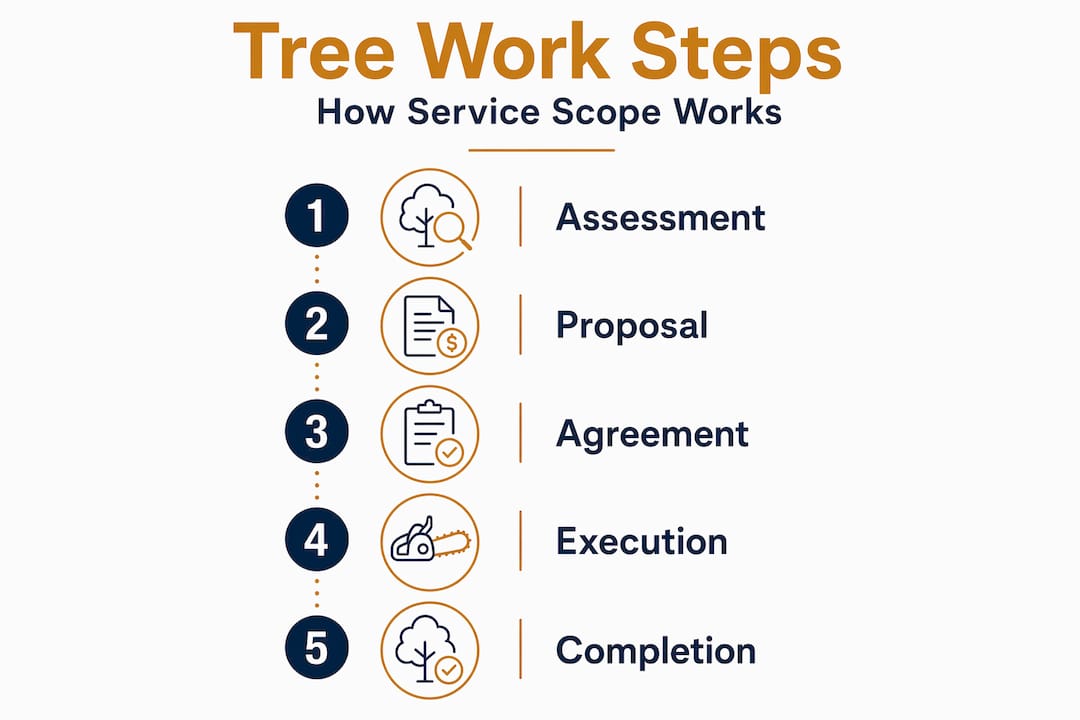
A scope of work is a written document that spells out exactly what a tree service contractor will do on your property. It is not a general estimate. It is a specific, itemized agreement that protects both you and the contractor.
A professional scope of work for tree services should include:
- Tree identification: The species, location, and size of each tree being serviced
- Service description: Whether the work is removal, pruning, stump grinding, cabling, or emergency response
- Methods and equipment: How the work will be done and what tools or machinery will be used
- Debris disposal: Whether wood will be chipped on site, hauled away, or left as logs
- Timeline: Start date, estimated completion, and any weather contingencies
- Pricing breakdown: Itemized costs per tree or per task, not a single lump sum
- Warranty terms: Coverage periods typically range from one to five years for certain services
- Cancellation and deposit policy: What happens if either party needs to cancel
Comprehensive contracts also specify deposit requirements, warranty periods, and cancellation policies that protect you financially and legally. When a contractor hands you a one-sentence quote, that is a red flag. A proper scope of work removes ambiguity before the chainsaw starts.
Pro Tip: Ask every contractor to provide the scope in writing before you sign anything. If they hesitate, that tells you something important about how they operate.
Core tree services and what each one involves
Tree services commonly offered include removal, pruning, health assessment, pest control, cabling, stump grinding, emergency care, planting, and conservation. Knowing what each one entails helps you verify that a contractor's scope matches what your property actually needs.
Tree removal
Removal is the most complex and highest-risk service in the tree care industry. It is not just cutting a tree down. A proper removal scope includes a pre-job site assessment, a plan for directional felling or sectional dismantling, equipment selection based on tree height and proximity to structures, and a clear debris removal plan.
Tree removal costs vary significantly by size. Small trees run $150 to $500, medium trees $500 to $1,000, and larger trees require specialized equipment that drives costs higher. Location complexity, such as a tree near a power line or your roof, adds to both the price and the required skill level. Knowing when removal is necessary before you call a contractor helps you ask better questions and understand the scope you receive.
Pruning and trimming
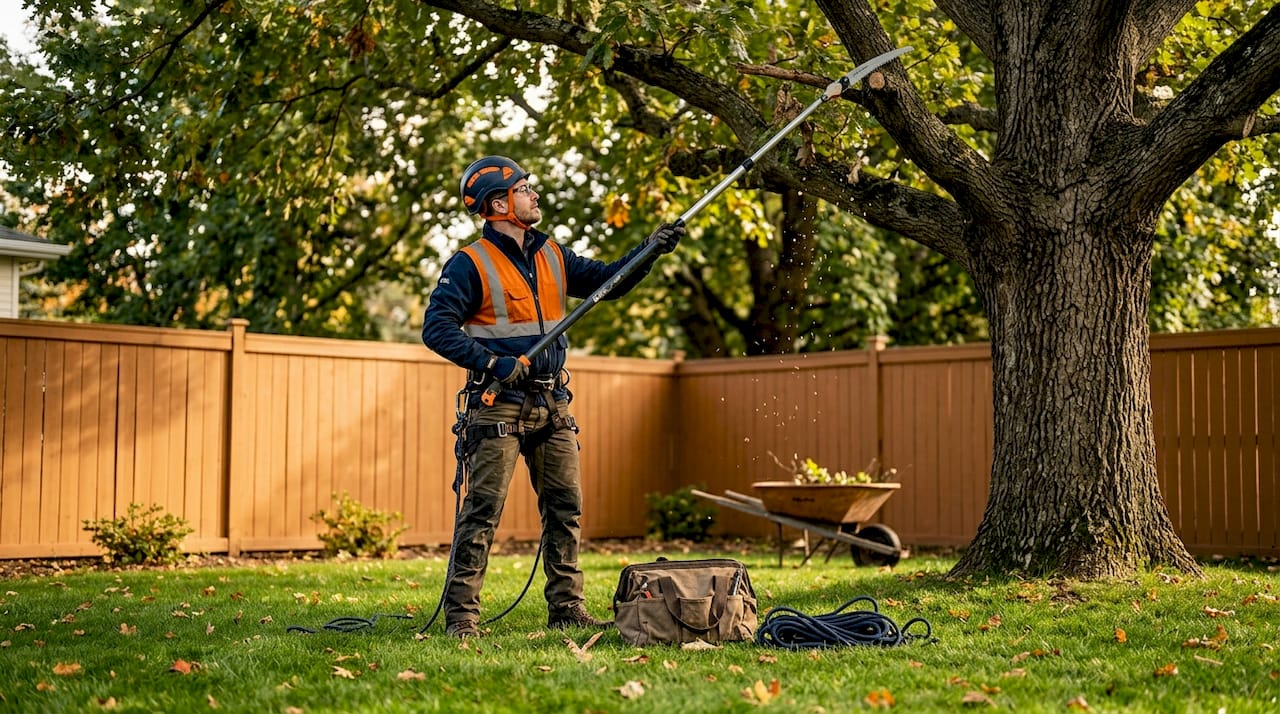
Pruning is not cosmetic work. Done correctly, it improves tree structure, removes dead or diseased wood, reduces wind resistance, and extends the life of the tree. A solid pruning scope will specify the technique being used, such as crown thinning, crown raising, or deadwooding, along with the percentage of canopy being removed. Removing too much at once stresses a tree and can cause long-term damage.
Stump grinding and removal
Stump grinding reduces a stump to wood chips below ground level. Stump removal goes further and extracts the root ball entirely. Your scope should clarify which one is being performed, how deep the grinding will go, and what happens to the resulting debris. These are two different services with different equipment, labor, and pricing.
Emergency tree services
Emergency services are often misunderstood until an urgent situation occurs. After a storm, a fallen or leaning tree can block a driveway, damage a roof, or create a safety hazard within hours. Emergency scopes differ from standard scopes because they prioritize speed and hazard mitigation over standard cleanup procedures. The scope should still specify what gets removed, what stays, and how debris is handled, even under time pressure.
| Service | Key scope elements | Typical complexity |
|---|---|---|
| Tree removal | Methods, equipment, debris plan | High |
| Pruning and trimming | Technique, canopy percentage, timing | Medium |
| Stump grinding | Depth, debris disposal | Low to medium |
| Emergency response | Hazard priority, debris handling, timeline | High |
Additional services within a full tree care scope
A thorough tree care services overview goes well beyond cutting and grinding. Many property managers in Shreveport are surprised to learn how many services fall under a professional tree care scope.
- Tree health assessments: A qualified arborist inspects for structural defects, disease, pest activity, and root problems. ISA TRAQ-certified professionals use science-based methods recognized by courts and insurers.
- Cabling and bracing: Steel cables or rods are installed to support weak branch unions or co-dominant stems. The scope should specify cable type, anchor points, and inspection schedule.
- Pest and disease management: This includes diagnosis, treatment application, and follow-up monitoring. The scope must name the pest or disease, the treatment product, and the application method.
- Tree planting and transplanting: Planting scopes cover species selection, hole preparation, soil amendments, staking, and a watering schedule for establishment.
- Conservation and preservation work: For older or protected trees, scopes may include root zone aeration, soil decompaction, and fertilization programs.
Professional risk assessments using ISA TRAQ methods typically cost $200 to $800 per tree, with advanced diagnostics reaching up to $1,500. Level 3 assessments use tools like sonic tomography to detect hidden internal decay that no visual inspection can catch. This matters because a tree that looks healthy from the street may be structurally compromised at the core.
Pro Tip: If a contractor offers a health assessment but cannot tell you their certification level or the tools they use, ask for a certified arborist instead. The difference in accuracy is significant.
How to read and use a tree service contract
A written scope of work is only useful if you know what to look for. Here is a practical checklist for reviewing any tree service contract before you sign.
- Tree specifications: Every tree being serviced should be listed by species, approximate height, and location on your property.
- Technique details: The contract should name the exact method being used, not just "trimming" or "removal."
- Debris disposal terms: Clear cleanup terms prevent disputes and protect your property after the job is done. Confirm whether debris will be chipped, hauled, or left.
- Timeline and access: Start date, expected duration, and any access requirements for equipment should be written in.
- Payment structure: Look for itemized pricing per tree or task, not a single total. Confirm deposit amount and final payment timing.
- Warranty coverage: Ask what is covered and for how long. Reputable contractors stand behind their work.
- Insurance verification: Request a certificate of liability insurance and workers' compensation coverage before work begins.
"Vague contracts are a red flag and risky for consumers. Accepting verbal quotes or scopes that say only 'tree work' instead of written, itemized agreements is one of the most common and costly mistakes homeowners make."
When comparing quotes, make sure you are comparing the same scope. A lower price that excludes stump grinding or debris hauling is not actually cheaper. Get at least three written quotes and verify that each one covers the same trees, techniques, and cleanup standards.
Shreveport-specific factors that affect your tree service scope
Tree service scope of work does not exist in a vacuum. In Shreveport and Northwest Louisiana, several local factors directly shape what services you need and when.
- Regional tree species: Common trees in the area include loblolly pine, water oak, pecan, and sweetgum. Each has different growth habits, failure risks, and pruning requirements that affect scope complexity.
- City ordinances: Shreveport has regulations around removing trees in certain zones and near public rights of way. Some heritage or protected trees require permits before any work can proceed.
- Storm season preparedness: Louisiana's weather patterns bring significant storm risk from spring through fall. Hurricane preparation for trees is a legitimate part of annual tree maintenance scope for any Shreveport property owner.
- Seasonal timing: Late winter and early spring are generally the best times for major pruning in this climate. Emergency work, by definition, happens on the storm's schedule.
| Local factor | Impact on scope |
|---|---|
| Oak wilt and pine beetle pressure | May require pest management added to scope |
| Storm season (April to October) | Emergency response provisions should be in contract |
| City permit requirements | Removal scope may need permit documentation |
| Clay soil conditions | Stump removal and planting scopes may need soil work |
For property managers overseeing multiple sites in the Bossier City area, building a standing relationship with a local tree service provider means faster response times and scopes that already account for your specific property conditions.
My take on what most homeowners get wrong
I have seen the same pattern repeat itself more times than I can count. A homeowner gets a low quote, agrees to it over the phone, and then the crew shows up, does the work, and leaves a pile of brush in the yard. The homeowner calls to complain, and the contractor points out that cleanup was never part of the agreement. Because there was no written scope, there is nothing to dispute.
The single biggest mistake I see is treating the scope of work as a formality rather than a tool. It is not paperwork for the contractor's benefit. It is your protection. A detailed scope tells you exactly what you paid for, gives you grounds to push back if something is missed, and documents the contractor's commitments in writing.
What I have also noticed is that most homeowners focus entirely on visible work and ignore what happens underground and after the crew leaves. Stump depth, root management, and soil condition after a large removal all affect what you can plant or build in that space later. Those details belong in the scope, and most people never think to ask.
My advice to property managers specifically: build a scope template of your own. List your standard expectations for cleanup, debris removal, access hours, and documentation. Hand it to every contractor you invite to bid. The ones who push back on specifics are telling you something important.
— Tatum
Get a clear, detailed scope from Briley Tree Service
Brileytreeservice handles tree removal, trimming, stump grinding, and emergency storm cleanup for residential and commercial properties throughout Shreveport, Bossier City, and Northwest Louisiana. Every job starts with a transparent, itemized scope so you know exactly what is being done, how, and when. There are no vague quotes and no surprise charges after the work is complete. Brileytreeservice brings local knowledge of Shreveport's tree species, weather patterns, and city regulations to every estimate. Whether you need a single tree removed or a full property assessment, you can request a free estimate and get a written scope before any work begins. Contact Brileytreeservice today to get started.
FAQ
What does a tree service scope of work include?
A tree service scope of work is a written document that identifies the specific trees being serviced, the methods used, debris disposal standards, timeline, itemized pricing, and warranty terms. It protects both the homeowner and the contractor by removing ambiguity before work begins.
What does tree service include beyond trimming and removal?
Tree services include stump grinding, health assessments, cabling and bracing, pest and disease management, emergency storm response, and tree planting. The specific services in your scope depend on your property's needs and the condition of your trees.
How do I know if a tree service contract is professional?
A professional contract lists each tree by species and location, names the specific technique being used, spells out cleanup standards, includes itemized pricing, and provides warranty and insurance details. Vague language like "tree work" without further detail is a warning sign.
Why is emergency tree service different from standard service?
Emergency tree services prioritize speed and hazard removal after storm events, which means the scope focuses on immediate safety rather than standard cleanup procedures. Emergency response requires specialized equipment and rapid deployment that standard scheduled work does not.
Do I need a permit for tree removal in Shreveport?
Some tree removals in Shreveport require permits, particularly for trees near public rights of way or for protected species. Your contractor's scope should note any permit requirements and who is responsible for obtaining them before work starts.