
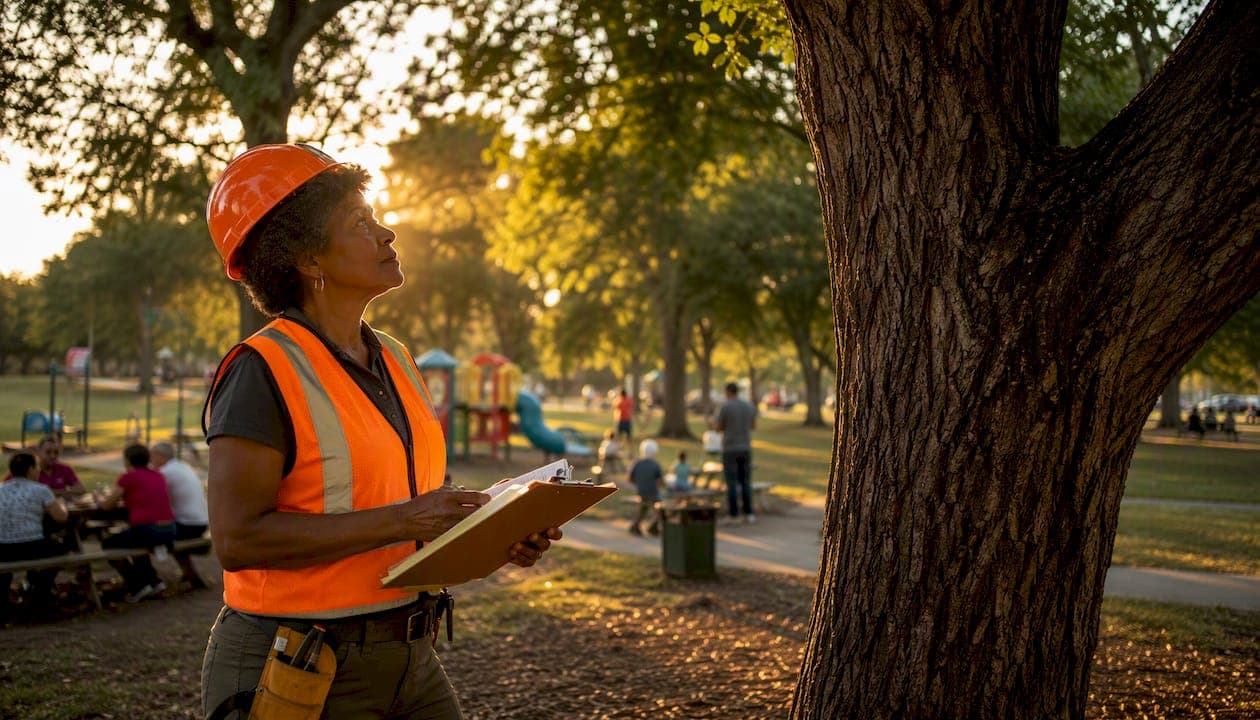
If you need a reliable tree care provider, the practical shortlist is: a local ISA-certified arborist, a vetted platform like Thumbtack or Angi, and Brileytreeservice as a recommended local alternative for North Louisiana. Your immediate next step is to request itemized written estimates from at least two providers and ask each one for proof of ISA certification and current general liability and workers' compensation insurance certificates before any work begins.
TCIA accreditation is an additional trust signal worth checking. When two bids look similar in price, a TCIA-accredited company has passed third-party audits of its safety and business practices, which gives you a meaningful tiebreaker.
Table of Contents
- What are the best alternatives to specialtytreecarela.com for homeowners?
- How do you choose a safe, qualified tree-care provider?
- What does tree work typically cost in the U.S.?
- What are the alternatives to full tree removal?
- Where does Brileytreeservice fit as a local alternative?
- Key Takeaways
- What the vetting process actually reveals about a provider
- Brileytreeservice offers free estimates for North Louisiana properties
- Authoritative resources for verifying tree-care credentials
What are the best alternatives to specialtytreecarela.com for homeowners?
Not every tree job calls for the same type of provider. A routine pruning job on a healthy oak is a different situation from a 60-foot pine leaning toward your roof after a storm. The four main provider types each have a distinct fit.
Local ISA-certified arborist firms are the strongest choice for most jobs. They carry documented credentials, know local tree species and permit requirements, and typically provide written estimates with line-item detail. For large removals, high-value trees, or any work near structures, this is the category to prioritize.
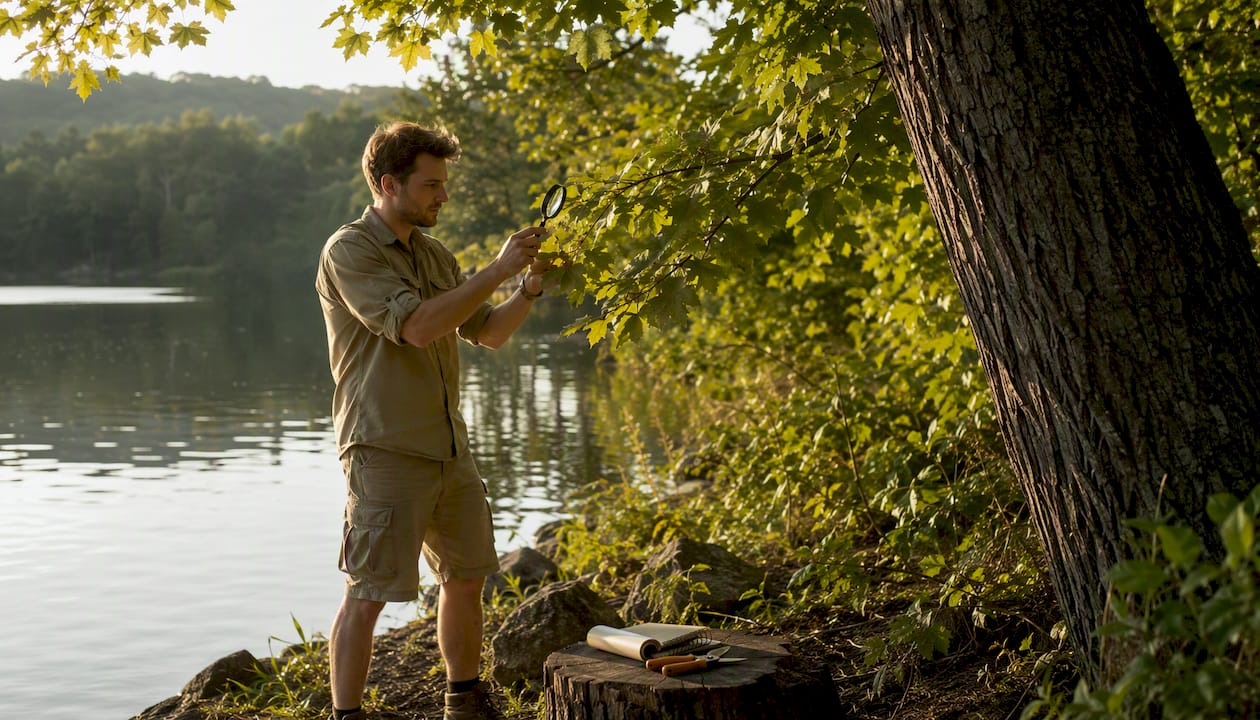
National franchised services operate in many markets and can offer consistent pricing structures. Their scheduling systems are often efficient, but the individual crew's credentials vary by location. Always verify ISA certification at the crew level, not just the franchise brand.
Platform and marketplace leads (Thumbtack, Angi, HomeAdvisor, Yelp) connect you with multiple local pros quickly. They are useful for getting competing quotes fast, especially for smaller jobs. The tradeoff: vetting depth varies by platform, and response time and documented safety practices are not guaranteed to be consistent across the providers a platform surfaces.
Specialist emergency crews focus on storm cleanup and hazard removal. They can mobilize quickly, but their documentation practices (itemized quotes, before/after photos, insurance certificates) are not always as thorough as a full-service arborist firm.
| Provider Type | Geographic Availability | Qualifications | Services | Quote Model | Emergency Response | Insurance & Permits |
|---|---|---|---|---|---|---|
| Local ISA-certified arborist | Local/regional service area | ISA certification; TCIA accreditation possible | Removal, pruning, stump grinding, cabling, land clearing | Written itemized estimate | Varies; often 24 hrs | Full GL and workers' comp; permit support |
| National franchise | Broad; market-dependent | Varies by location; ask for crew credentials | Removal, pruning, stump grinding | Standardized pricing tiers | Often faster scheduling | Usually insured; permit support varies |
| Platform/marketplace | National (Thumbtack, Angi, Yelp) | Varies; platform vetting differs | Full range depending on matched pro | Competing quotes | Depends on matched pro | Platform may screen; verify directly |
| Emergency/storm crew | Local surge capacity | Often general labor; credentials vary | Hazard removal, debris cleanup | Per-job or hourly | Fastest mobilization | Verify before signing anything |
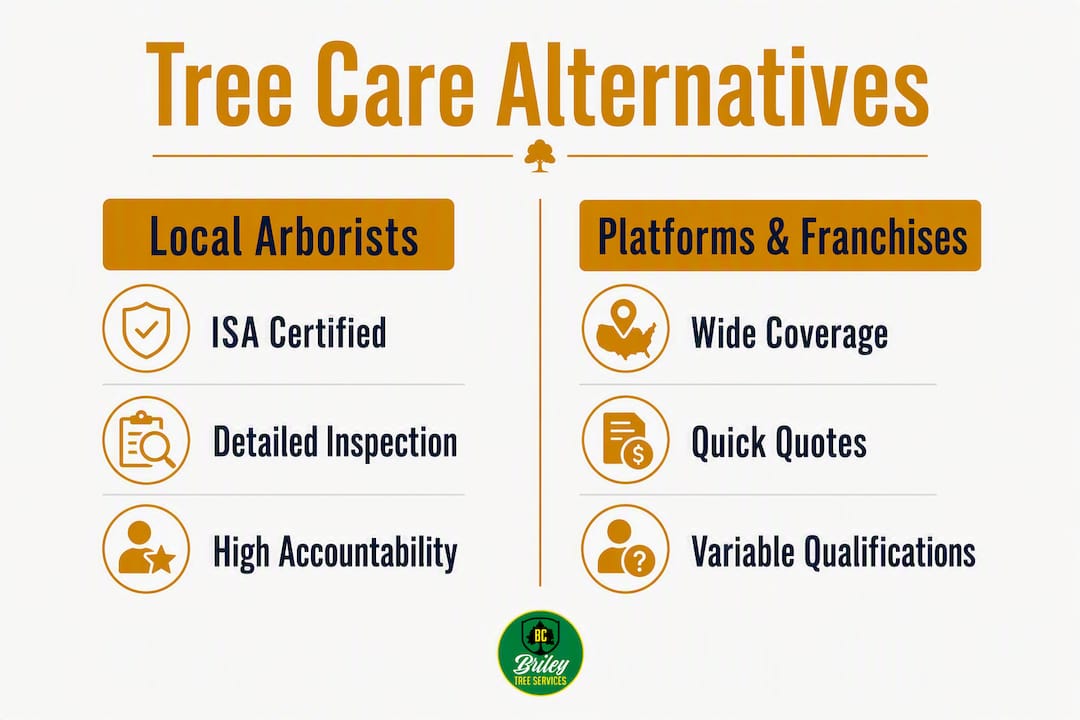
Each type has real strengths. Local certified arborist firms offer the deepest accountability. Platforms give you speed and price competition. Emergency crews get there fast. The right pick depends on your job type, timeline, and how much documentation you need for insurance or HOA purposes.
How do you choose a safe, qualified tree-care provider?
Start with credentials and insurance, then move to price. An uninsured crew working on your property creates direct financial and legal exposure for you if someone is injured. Verifying workers' compensation coverage before work starts is one of the most important steps a homeowner can take.
The vetting checklist
- Verify ISA certification. Ask for the arborist's ISA credential number and confirm it at isa-arbor.com. ISA certification is the industry's exam-based standard for tree health, safety, and maintenance knowledge.
- Check for TCIA accreditation. Not every firm carries it, but TCIA accreditation signals third-party-audited safety and business practices. Use it as a tiebreaker when bids are close.
- Request proof of insurance. Ask for a certificate of general liability and workers' compensation insurance, naming you as the certificate holder. A reputable firm provides this without hesitation.
- Schedule a site visit. Any provider giving a firm quote without seeing the tree in person is guessing. A site visit lets the arborist assess access, proximity to structures, and equipment needs.
- Get a written, itemized estimate. The estimate should break out labor, equipment, stump grinding (if applicable), debris hauling, disposal, and any permit fees. This is the only way to compare bids accurately.
- Ask about climbing methods. Reputable arborists use rope-and-saddle systems on live trees, not climbing spikes. Spurs create wounds that invite pests and disease and are a sign of outdated or careless practice.
- Confirm scope, schedule, and cleanup. Get the start date, estimated completion, and a clear statement of what gets removed and what stays. Confirm the crew handles all debris removal.
- Ask about permits. Depending on your municipality, removing trees above a certain diameter may require a permit. A qualified arborist knows local rules and can handle the paperwork.
- Request before/after photos and references. Professional firms document their work. Photos protect you for insurance claims and HOA reporting. References from recent local jobs are a reasonable ask.
Red flags to watch for
- Door-to-door solicitations immediately after a storm. Post-storm operators who knock unsolicited often lack proper licensing, insurance, or training, and high-pressure offers right after weather events are correlated with property damage and incomplete work.
- Large upfront cash deposits. A standard deposit is reasonable; demanding full payment or a majority of the fee before work starts is not.
- No written estimate. Any provider who refuses to put the scope and price in writing is a provider to avoid.
- No insurance certificate. "We're covered" is not documentation. Ask for the actual certificate.
- Climbing spikes on live trees. If you see a crew member using spurs on a healthy tree, stop the job.
Pro Tip: Property managers handling HOA or insurance documentation should request itemized receipts, before/after photos, and copies of the contractor's insurance certificate and any permits pulled. This package is what insurers and HOA boards need to process claims and approve work after storm events. A repair estimate for insurance purposes follows the same documentation logic: specificity and paper trail matter.
What does tree work typically cost in the U.S.?
Cost ranges vary by tree size, access, proximity to structures, and whether the job is scheduled or emergency. The figures below reflect typical U.S. market ranges; your actual quote will depend on local labor rates and site conditions.
| Service | Typical U.S. Cost Range | Typical Timeline |
|---|---|---|
| Small tree removal | — | Same day to 1 day |
| Medium tree removal | — | 1–2 days |
| Large tree removal (over 60 ft) | — | 1–3 days |
| Tree pruning / trimming | — | Half day to 1 day |
| Stump grinding | — | 1–2 hours per stump |
| Emergency storm cleanup | — | Same day |
The biggest cost drivers are tree diameter (DBH), access difficulty, and proximity to structures or utility lines. A large tree in an open yard costs less to remove than a similarly sized tree wedged between a fence and a power line. Emergency pricing carries a premium over scheduled work, sometimes significantly.
Response time also varies by provider type. Local arborist firms often have deeper knowledge of local conditions but limited immediate surge capacity. Platforms can connect you with an available crew faster, though response time and documented safety practices differ widely across the providers they surface. Dedicated emergency crews mobilize fastest but may not carry the same documentation standards as a full-service firm.
For property managers, bundling preventative inspections and scheduled maintenance into a contract often reduces emergency call costs and speeds response during storm seasons. A three-point annual cycle covering pre-season canopy inspection, post-storm assessment, and an annual structural review is a practical framework for reducing long-term liability.
What are the alternatives to full tree removal?
Removal is not always the right answer.
in many situations, both to retain the tree's ecological and landscape value and because alternatives often cost less over time. ISA guidance treats removal as a last resort when a tree poses a genuine hazard that cannot be mitigated.- Targeted pruning. Removing dead, diseased, or structurally weak branches reduces risk and improves tree health without removing the tree. Suitable for trees with localized damage or crown imbalance.
- Structural cabling and bracing. Steel cables or rods installed by a certified arborist redistribute load across weak branch unions or co-dominant stems. Used for mature trees with high landscape value where structural failure is a risk but the tree is otherwise healthy.
- Deep root fertilization. Soil injection of nutrients addresses deficiencies that cause crown decline. Appropriate when a tree is stressed by compacted soil, drought, or construction damage rather than disease.
- Pest and disease treatment. Many tree health problems are treatable. Oak wilt, emerald ash borer, and various fungal infections have established treatment protocols. An ISA-certified arborist can diagnose the issue and recommend a treatment plan before recommending removal.
- Transplanting. For smaller trees in the path of construction or renovation, transplanting to a new location on the property is sometimes viable. Timing and root ball preparation are critical; this is a job for a specialist.
Pro Tip: If a provider recommends removal on a tree you want to preserve, or if you are unsure about a diagnosis, get a second opinion from an independent ISA-certified arborist. This is especially worth doing for high-value specimen trees, mature shade trees, or any situation where the health assessment is ambiguous. A second opinion typically costs less than the removal itself.
Where does Brileytreeservice fit as a local alternative?
Brileytreeservice is a licensed and insured arborist team serving Shreveport, Bossier City, Ruston, and surrounding North Louisiana areas. The service list covers tree removal, tree trimming and pruning, stump grinding, land clearing, forestry mulching, and 24/7 emergency storm cleanup for both residential and commercial properties.
For homeowners and property managers in North Louisiana, Brileytreeservice handles the full range of jobs: routine pruning, large hazardous removals, stump grinding after removal, land clearing for new construction or renovation, and emergency response after storm events. The team also provides permit and insurance claim support, which matters when you need documentation for an HOA board or an insurance adjuster.
The trust signals to verify when you call:
- Free written, itemized estimate before any commitment
- Proof of general liability and workers' compensation insurance
- Before/after photo documentation on every job
- Permit support for jobs requiring municipal approval
- Insurance claim support for storm damage
For North Louisiana property managers, Brileytreeservice's commercial service capability and emergency availability make it a practical fit for both scheduled maintenance contracts and urgent storm response.
Key Takeaways
Choosing a safe, qualified tree-care provider requires verifying ISA certification and insurance first, comparing itemized written estimates from at least two providers, and considering preservation alternatives before committing to removal.
| Point | Details |
|---|---|
| Credentials come first | Verify ISA certification and request insurance certificates before accepting any bid. |
| Compare itemized estimates | Written, line-item estimates are the only reliable way to compare bids accurately across providers. |
| Consider preservation options | Pruning, cabling, and disease treatment often cost less than removal and should be evaluated first. |
| Document everything | Before/after photos, itemized receipts, and insurance certificates protect you for HOA and insurance claims. |
| Brileytreeservice is a vetted local option | Licensed and insured, serving North Louisiana with removal, pruning, stump grinding, and 24/7 emergency response. |
What the vetting process actually reveals about a provider
The standard advice is to get three quotes. That is reasonable, but the quote itself is not the most useful data point. What reveals a provider's quality is how they respond to the vetting questions before they give you a number.
A crew that hesitates when you ask for an insurance certificate, or quotes a job without visiting the site, or cannot name the ISA-certified arborist who will supervise the work, is telling you something important. The documentation and credential questions are not bureaucratic formalities. They are the fastest way to separate professional arborist firms from general labor contractors who happen to own a chainsaw.
The same logic applies to post-storm situations. Urgency is real after a storm, but it is also the condition under which the weakest operators are most active. Documented before-and-after photos, itemized quotes, and proof of insurance are the primary differences between a professional arboricultural firm and a general contractor. A provider who cannot produce these is not a provider worth hiring at any price.
Property managers face an additional layer: the documentation they collect from a tree service becomes part of the property's maintenance record. That record affects insurance premiums, HOA compliance, and liability exposure. A three-point annual maintenance cycle with a single qualified firm is a more defensible approach than ad hoc calls to whoever is available.
The platforms (Thumbtack, Angi, Yelp) are genuinely useful for getting competing quotes quickly. They are not a substitute for the vetting steps. Use them to build your shortlist, then apply the checklist above to every provider they surface.
Brileytreeservice offers free estimates for North Louisiana properties
If you are in Shreveport, Bossier City, Ruston, or the surrounding North Louisiana area, Brileytreeservice provides a direct alternative to searching platforms for a vetted provider. The difference is straightforward: one call connects you with a licensed, insured arborist team that handles the full scope of work, from routine pruning to emergency storm cleanup, with the documentation your insurance company or HOA will actually accept.
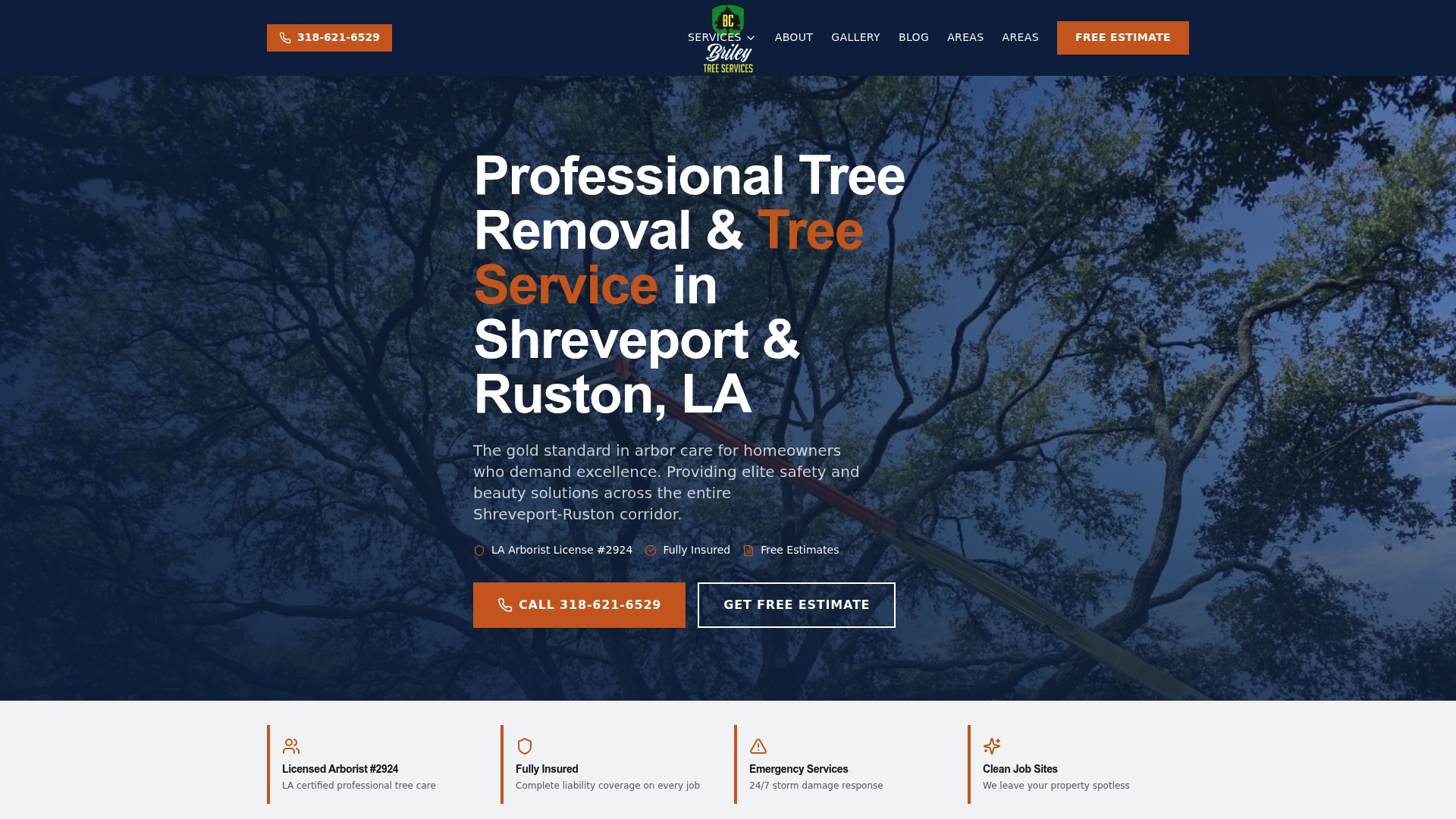
Every estimate from Brileytreeservice includes a written, itemized quote, proof of insurance certificates, and before/after photo documentation. For emergency storm response, the team is available 24/7. For scheduled jobs, the site visit and estimate are free with no obligation.
To get started, request a free estimate from Brileytreeservice. Have the tree's location, approximate size, and any known concerns ready for the site visit. The team will confirm the scope, timeline, cleanup plan, and any permit requirements before work begins.
Authoritative resources for verifying tree-care credentials
Use these sources to confirm credentials, check accreditation status, and understand what documentation to request before hiring any provider.
- ISA Certified Arborist credential lookup — The International Society of Arboriculture's credential page explains ISA certification standards and links to the credential verification tool. Confirm any arborist's certification number here before work begins.
- TCIA Accreditation program — The Tree Care Industry Association's accreditation page explains what third-party audits cover and provides a directory of accredited companies. Use it to verify accreditation status when a company claims it.
- Eight tips for selecting a qualified arborist (LEAF) — Practical homeowner guidance on checking credentials, asking for references, and avoiding destructive practices like climbing spikes on live trees.
- — Expert video overview of preservation techniques certified arborists recommend before recommending removal.