
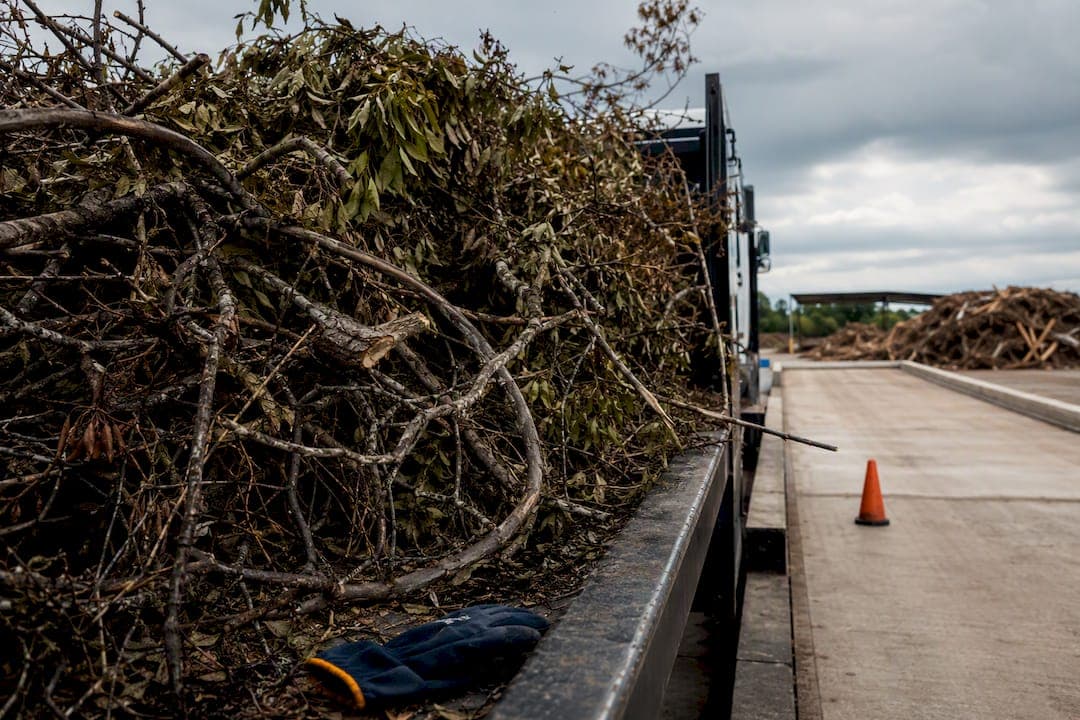
Put vegetative debris at the curb, separated from household trash, and don't bag limbs or branches. City crews and contractor passes handle those piles on their own schedule. If you need faster removal or have large trees down, call a licensed tree service. The City of Shreveport Solid Waste Division and Woolworth Road Landfill are your two main public resources, and Briley Tree Service is a local option when you want the job done today.
TL;DR:
- Storm debris must be separated from household trash and never bagged, to allow city contractor collection and avoid delays or missed pickups.
- Self-hauling to the landfill costs around $43.26 per ton, while private haulers charge by load volume, making on-site grinding ideal for large properties or big tree removals.
- Hiring a licensed tree service should include debris removal and disposal in the contract, with proof of insurance and written estimates for transparency.
- Reimbursement through insurance or FEMA depends on proper documentation, receipts, and following city disposal guidelines to qualify for cost recovery.
- Proper curb pile preparation involves stacking limbs loose and away from utilities, photographing the pile, and avoiding obstructions to ensure efficient collection.
Table of Contents
- City Guidance for Storm Debris Disposal in Shreveport
- Self-Haul, Private Haulers, or On-Site Grinding: Which Fits Your Situation?
- What to Expect When You Hire a Tree Service (and Why Disposal Matters)
- Costs, Permits, and When Reimbursement Applies
- Quick Checklist for Preparing Curb Piles Safely
- What Local Crews See After Every Storm
- Get Storm Debris Off Your Property Without the Landfill Runs
- Sources
- FAQ
City Guidance for Storm Debris Disposal in Shreveport
Shreveport's rule is simple: vegetative debris goes separate from regular garbage. The city has told residents directly not to bag fallen limbs or branches, because garbage trucks aren't built to grind through storm-sized brush piles the way a contractor's claw truck or grapple loader is.
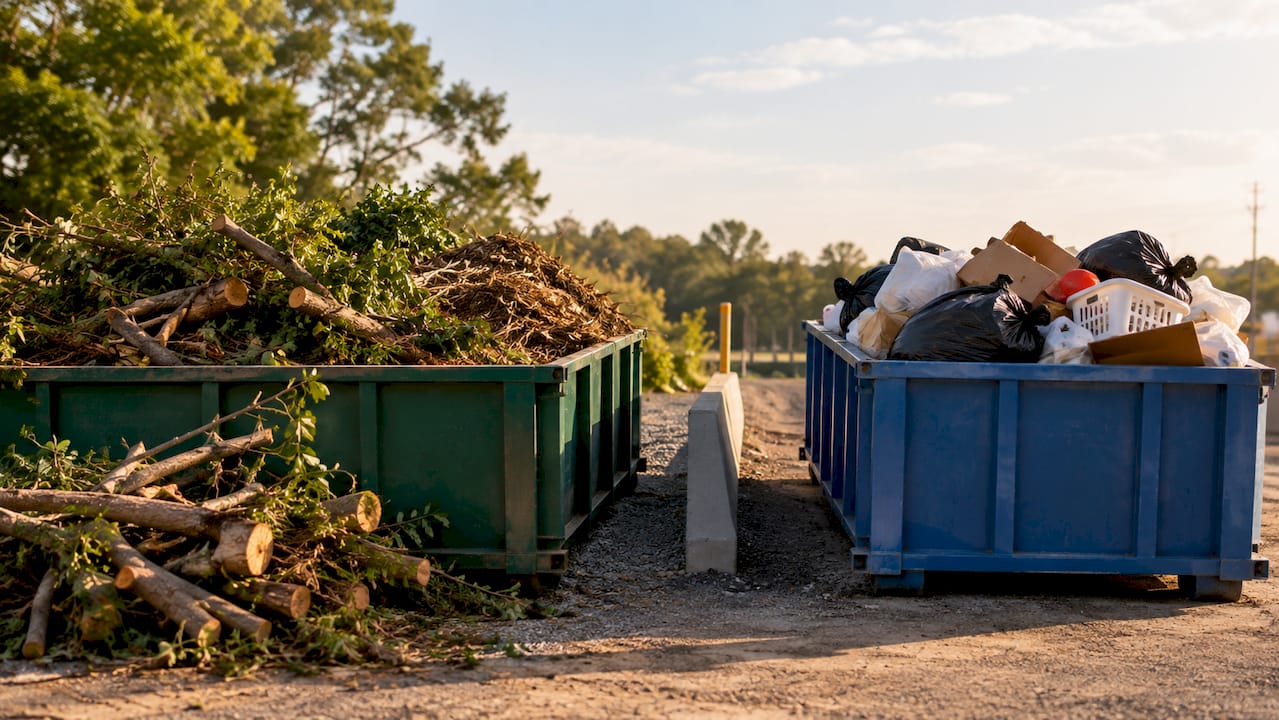
After a major storm, the city typically can't clear everything with its own crews, often relying on professional large-scale debris handling from experts like Cornelius Wrecking. That's when it issues a request for proposals and brings in an outside contractor to sweep neighborhoods for debris collection. Expect one initial pass through affected areas, sometimes followed by a second or third pass depending on how bad the damage was.
When you build your curb pile, keep these rules in mind:
- Separate vegetative waste (limbs, branches, brush) from household garbage and construction debris.
- Never bag brush or limbs. Loose piles are easier for grapple trucks to grab.
- Keep piles clear of storm drains, water meters, and fire hydrants.
- Don't block sidewalks or place debris in the street where it becomes a traffic hazard.
Following these rules isn't just about tidiness. The city's debris contracts are structured to help Shreveport qualify for state reimbursement on cleanup costs, and messy or mixed piles slow down the contractor's documentation process. For updates on pickup timing in your area, check the Solid Waste Division's page or call 318-673-6300 rather than assume your street works on the same timeline as a neighboring one.
Self-Haul, Private Haulers, or On-Site Grinding: Which Fits Your Situation?
Not every homeowner wants to wait on a city contractor pass, and that's fair. You have three realistic paths, and each fits a different kind of storm mess.
Self-hauling to Woolworth Road Landfill works if you have a truck or trailer and a manageable amount of debris. The landfill charges by weight, with a historical rate around $43.26 per ton and a minimum fee near $19.25 for loads under half a ton. Trips are weighed in and out with a trip ticket, so bring ID and expect a short wait at the scale house. Rates and hours change, so call ahead or check the city's landfill page before you load your truck.
Private haulers and junk removal services make sense when you have too much debris for your vehicle but not enough to justify a full tree crew. Pricing usually scales by truckload volume rather than weight, and same-day booking is common through local and national services.
On-site grinding is often the smartest move for large properties or big trees down. A horizontal grinder turns brush and limbs into mulch right where they fall, cutting down the number of dump runs needed and reducing what you pay in tipping fees.
Whichever option you choose, ask the hauler these questions before you commit:
- Where does the debris actually go, and is that site permitted?
- Do they charge by weight, by load, or a flat rate?
- Are they licensed and insured for debris hauling?
Pro Tip: Ask for the landfill's name and confirm the hauler doesn't just dump behind a property line. Illegal dumping complaints in Louisiana can land back on the homeowner who paid for the job.
What to Expect When You Hire a Tree Service (and Why Disposal Matters)
A tree crew that only cuts and leaves debris in your yard hasn't finished the job. Disposal should be part of the contract, not an afterthought you handle yourself.
A responsible contractor should:
- Remove all cut material from your property, not just stack it at the curb.
- Haul debris to a permitted disposal site, such as Woolworth Road Landfill or a licensed grinding operation.
- Provide a written estimate that spells out disposal as part of the scope.
- Carry proof of insurance and, where applicable, a business license.
Before you sign anything, ask to see that proof of insurance and get the disposal location in writing. Reputable tree companies build hauling into their quoted price rather than leaving you to figure out where the brush goes after the chainsaws stop.
Hiring a professional also sidesteps the most common curbside mistakes: bagged limbs that sit uncollected, piles blocking drainage, or debris left too close to the street. Local tree services handle emergency storm cleanup, tree removal, and stump grinding with licensed and insured crews who take care of hauling to permitted sites as part of the job.
Pro Tip: Get your written scope before the crew shows up, not after. A one-line "we'll clean up" promise means nothing if a dispute happens later over where the debris ended up.
Costs, Permits, and When Reimbursement Applies
Out-of-pocket costs depend entirely on which route you pick. Landfill tipping fees run on tonnage, private haulers charge by volume or flat rate, and hiring a full tree crew costs more upfront but includes labor, equipment, and disposal in one price.
Woolworth Road Landfill has historically charged around $43.26 per ton, with a minimum fee near $19.25 for smaller loads. Large stumps and long logs can trigger additional special-handling charges, so ask the scale house staff before you unload.
A few cost factors worth knowing:
- Special handling fees apply to oversized stumps and logs at most municipal landfills.
- The city's contractor program is often tied to state reimbursement, historically around 75% of documented large-scale cleanup costs, which is why proper pile placement and city tracking matter.
- FEMA disaster assistance may apply to individual households only when a federal disaster declaration covers your area. Check disasterassistance.gov for current eligibility.
- The Louisiana Department of Environmental Quality coordinates emergency debris site activation with municipalities, which affects where permitted disposal happens during a major event.
Keep every receipt, landfill trip ticket, and dated photo of your debris pile. If reimbursement or insurance claims come into play later, that paper trail is what gets you paid.
Quick Checklist for Preparing Curb Piles Safely
Get this right the first time and you avoid a second trip or a missed pickup pass.
- Separate vegetative debris from household trash and any construction materials.
- Stack branches and limbs neatly, loose and unbagged, away from drains, hydrants, and meters.
- Never approach or touch downed power lines. Assume every line is live until a utility crew confirms otherwise.
- Wear gloves and sturdy boots when handling broken limbs, and keep kids and pets away from the pile.
- Photograph your debris pile with a date stamp, and save any landfill or hauler receipts for your records.
What Local Crews See After Every Storm
The same mistakes show up after almost every storm: bagged limbs that never get collected, brush piled against a fence line where a grapple truck can't reach it, or homeowners hiring an unlicensed crew off a flyer only to find out later nobody carried insurance.
Contractor passes take time because crews prioritize blocked roads and downed lines before they get to individual yards. That's not neglect. It's triage. Licensed local crews know which streets need power restored first and which piles can wait a few more days without becoming a hazard.
— Tatum
Get Storm Debris Off Your Property Without the Landfill Runs
Skip the truck rental and the trip-ticket lines at Woolworth Road Landfill. Some local companies handle storm cleanup from start to finish, including hauling debris to permitted sites so you never have to load a trailer yourself.

Some professional crews handle emergency storm cleanup, tree removal, and stump grinding, providing written estimates before work starts. Licensed and insured crews often support insurance claim documentation if storm damage requires it. Learn more about our tree removal process or read how our cleanup crews handle a typical job from start to finish. If you're weighing costs against a DIY haul, our guide to emergency tree removal pricing in Shreveport breaks down what to expect.
Ready to get your property cleared? Request a free estimate today and get a crew scheduled before the next storm system rolls through.
Sources
- City of Shreveport debris placement guidance (Facebook post)
- Disaster Debris Management — Louisiana DEQ
- FEMA — official site
FAQ
How Much Does Debris Removal Typically Cost?
Costs vary by method: landfill self-haul runs on weight with fees historically near $43.26 per ton, private haulers price by load size, and hiring a tree service for full removal and disposal costs more upfront but includes labor and hauling in one price.
What Counts as Storm Debris?
Storm debris generally means vegetative material like fallen branches, limbs, and uprooted brush, which the city separates from household bulky-item pickup and from construction or demolition waste.
Does FEMA Pay for Debris Removal?
FEMA assistance for debris removal typically applies only when a federal disaster declaration covers your area, so check eligibility through disasterassistance.gov rather than assume automatic coverage.
How Can I Get Rid of Tree Branches for Free?
Placing branches loose at the curb, separated from trash, may qualify for a city contractor pass at no direct cost to you, though timing depends on how large the storm event was and where your street falls in the collection schedule.
When Should I Hire a Tree Service Instead of Self-Hauling?
Hire a professional when trees are too large to cut safely yourself, when limbs are tangled near power lines, or when you want disposal handled as part of the job instead of making multiple landfill trips.