
Commercial tree removal planning is the process of coordinating hazard assessment, scheduling, site access control, and regulatory compliance to keep business operations running during tree work. Property managers who treat this as an operations risk project, not a landscaping task, consistently avoid the costly delays and liability that come from unplanned removals. The industry term for this approach is commercial tree risk management. Whether you manage a retail strip in Shreveport, a medical office in Bossier City, or a warehouse campus in Northwest Louisiana, the steps to plan tree removal and minimize business disruption follow the same proven framework.
What prerequisites and preparations ensure minimal disruption during tree removal?
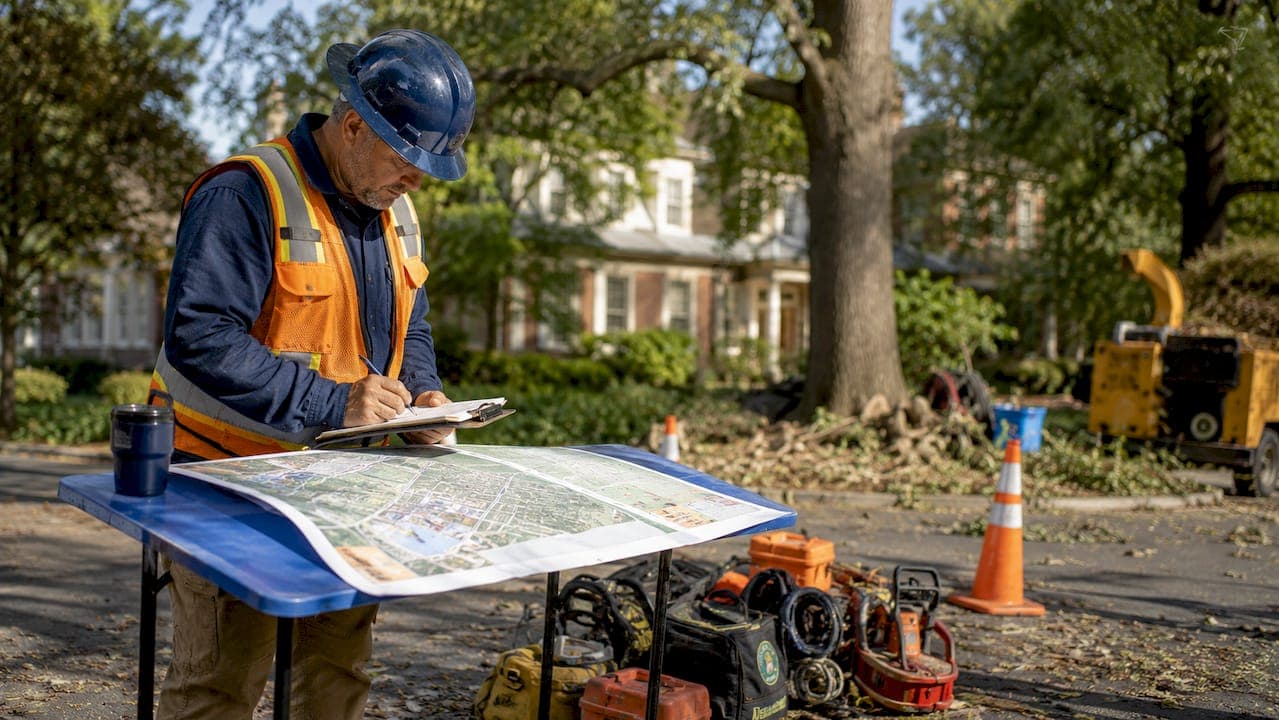
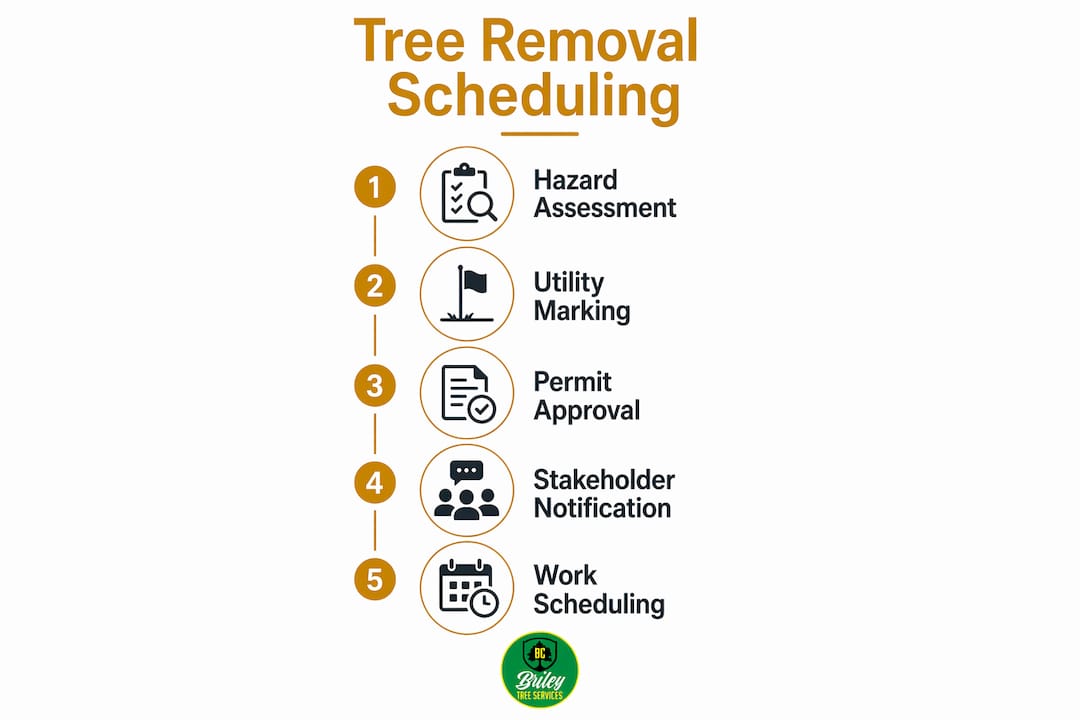
A written hazard assessment is the first document any commercial removal plan needs. Safety planning covers tree condition (lean, decay, root health), site hazards (structures, public access), work zone design (drop zones, escape routes), electrical hazards, and emergency protocols reviewed before the crew arrives. Skipping this step is the single most common reason removals run over schedule and damage property.
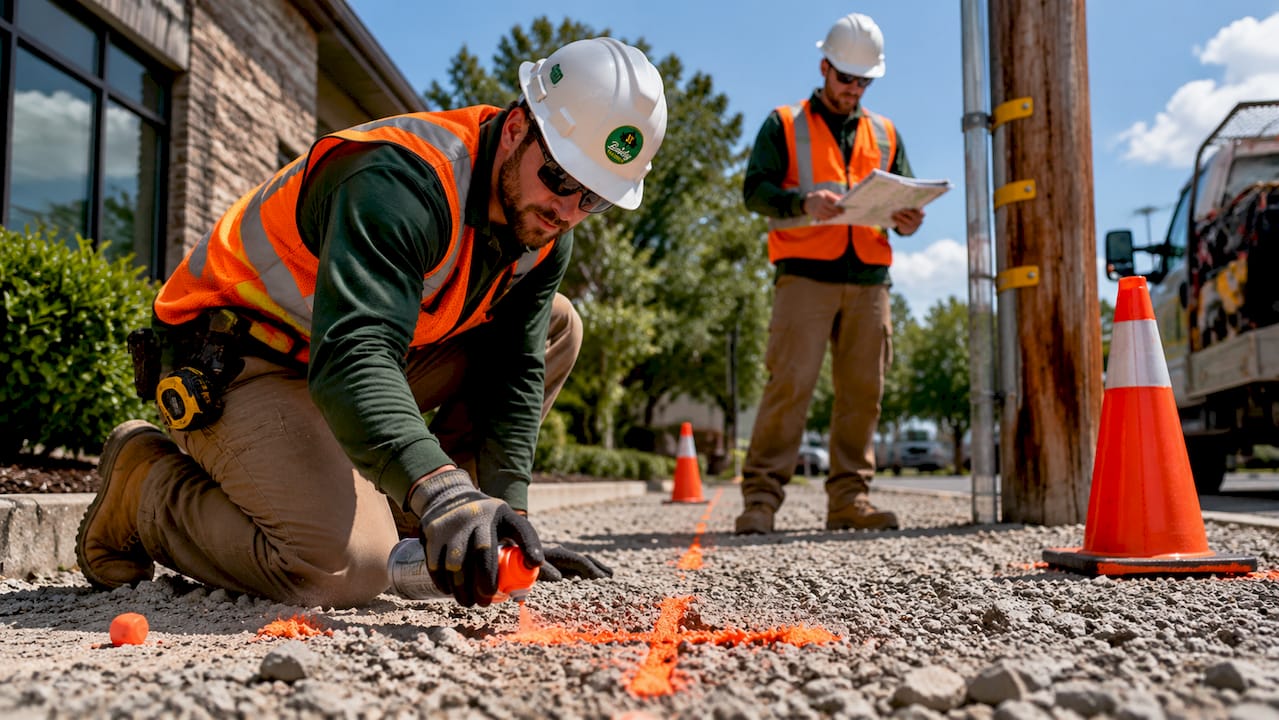
Utility identification comes next. Call 811 at least 48 hours before any ground-disturbing work begins. Utility locates prevent accidental cuts to gas, electric, water, sewer, and telecom lines that can halt work and disrupt surrounding tenants for hours or days. Even lines you believe are mapped require a fresh locate, because private service lines are not always in municipal records.
Permitting is the third prerequisite most property managers underestimate. Jurisdictions like Seattle's SDCI require detailed application packages that include risk assessments, photographic records, replanting plans, and financial responsibility statements. Louisiana municipalities vary, but protected tree ordinances exist in Shreveport. Pulling permits late pushes your start date and extends the period your site is at risk.
Stakeholder communication closes out the preparation phase. Notify tenants, staff, delivery contractors, and neighboring businesses about the date, scope, and any access changes at least one week in advance. Written notice reduces complaints, prevents unauthorized entry into work zones, and gives tenants time to adjust their own schedules.
Pro Tip: Send a second reminder 24 hours before work begins. Last-minute reminders catch the people who missed the first notice and reduce the chance of a tenant parking in your staging area on job day.
Key preparation steps at a glance:
- Conduct a written hazard assessment covering tree condition, site hazards, and emergency plans
- Call 811 at least 48 hours before work; verify private lines separately
- Secure all required permits with supporting documentation before scheduling
- Notify all stakeholders in writing at least one week before the removal date
- Confirm utility locates align with planned equipment routes and staging
When and how should you schedule tree removal to reduce operational impact?
Scheduling during low-traffic periods is the single most effective way to cut operational impact. Proactive scheduling during low-activity hours, such as early mornings, weekends, or holiday closures, reduces the number of customers, employees, and vehicles affected by access restrictions. For retail properties, scheduling outside peak shopping hours protects revenue directly.
Phased removal is the right approach for large or complex sites. Breaking the project into sections lets you keep portions of the property fully operational while work proceeds in another zone. A medical office campus, for example, can keep its main entrance open while a rear parking lot section is cleared. Phased work does add scheduling complexity, but it prevents the total-site shutdowns that damage tenant relationships and lease renewals.
Proactive scheduling also prevents emergency removals, which are the most disruptive and expensive scenario. Property managers who plan ahead avoid the premium costs and zero-notice disruptions that come with storm-damaged or suddenly hazardous trees. Annual tree inspections are the most reliable way to catch problems before they become emergencies. Learn more about commercial tree maintenance scheduling to build this into your annual property calendar.
A practical scheduling sequence for commercial sites:
- Identify the lowest-traffic window for your specific property type (retail, office, industrial)
- Confirm crew and equipment availability for that window before committing to tenants
- Divide large sites into removal zones and assign each zone a separate work window
- Build a one-day weather buffer into the schedule for each phase
- Confirm permit approval before locking in the final date with your tree service contractor
Pro Tip: Schedule stump grinding as a separate appointment one to two days after the main removal. This keeps the primary work window shorter and lets you restore parking or pedestrian access faster.
How to control site access and manage logistics on job day
Clear access routes are the difference between a crew that starts on time and one that waits an hour while vehicles are moved. Preparing access means moving vehicles from staging areas, unlocking gates, and having a site contact available when the crew arrives. Delays at the start of a job compound throughout the day and push completion into business hours.
Exclusion zones protect both your customers and the crew. Drop zones and exclusion areas must be integrated into the site's overall pedestrian and traffic management plan, not treated as a separate tree crew concern. Use physical barriers and clear signage to redirect foot traffic and vehicles before work begins, not after the first section falls.
Debris removal workflow matters as much as the removal itself. A staged debris plan, where cut material moves from drop zone to chipper to haul truck in a defined sequence, keeps the work area clear and prevents secondary disruptions like blocked loading docks or fire lane violations. Coordinate with your tree service contractor on debris timing so haul trucks do not conflict with tenant deliveries.
Site logistics checklist for job day:
- Clear all vehicles from staging and drop zones before crew arrival
- Post physical barriers and signage at all exclusion zone perimeters
- Assign a property-side contact to communicate with the crew lead throughout the day
- Confirm debris haul timing does not conflict with scheduled deliveries or tenant hours
- Keep emergency contact numbers for utility providers on hand in case of an unexpected strike
Pro Tip: Walk the site with the crew lead before work begins. A 10-minute walkthrough catches conflicts between the planned drop zone and actual site conditions, such as a delivery truck that parks in the same spot every morning.
Which removal methods and equipment minimize operational impact?
Mechanized equipment reduces time on site and limits the physical footprint of the operation. Cranes, bucket trucks, and stump grinders enable faster, safer removals on confined commercial sites compared to manual methods. A crane removal, for example, can lift large sections directly from a tight courtyard without requiring a wide drop zone at ground level.
| Method | Best use case | Operational impact |
|---|---|---|
| Crane removal | Large trees in confined spaces | High equipment footprint, fast completion |
| Bucket truck sectional | Mid-size trees near structures | Moderate footprint, controlled debris |
| Manual sectional rigging | Trees near utilities or glass | Low equipment footprint, slower pace |
| Stump grinder | Post-removal site restoration | Minimal footprint, restores surface fast |
Sectional removal with rigging is the right choice when a tree sits near storefront glass, HVAC units, or overhead utilities. The crew removes the tree in controlled sections from the top down, using ropes and rigging hardware to direct each piece into the drop zone. This method takes longer than crane work but protects adjacent structures and reduces the size of the exclusion zone needed.
Stump grinding is the final step that directly affects how quickly you restore normal operations. A ground-level stump left in a parking lot or pedestrian path creates a liability and delays surface repair. Grinding to below grade lets you fill, compact, and reseed or repave the area within days. Read more about how stump grinding protects commercial lots and supports faster site restoration.
What common challenges arise and how can they be prevented?
Blocked access is the most frequent cause of job-day delays. The fix is simple: confirm staging areas are clear the evening before work begins, not the morning of. A single vehicle parked in the crane staging area can push the entire schedule by two or more hours, which spills into business operating hours.
Unmarked utilities cause the most serious disruptions. Even known underground utilities require verification with 811 locates before stump grinding or equipment movement. A cut telecom line in a medical office building can disable phone and internet service for an entire tenant floor. Verification takes 48 hours and costs nothing.
Weather is the variable no plan fully controls, but a conditional reassessment protocol manages it. Establish a clear go/no-go wind speed threshold with your contractor before the job starts. High winds change the behavior of falling sections and can push debris outside the planned drop zone. A written weather policy prevents the ambiguity that leads to crews starting in unsafe conditions.
"Commercial tree removals are operational risk projects requiring coordinated safety, communication, and regulatory compliance to protect people, assets, and operations." — Commercial Tree Removal Best Practices
Documentation prevents disputes and confusion. Keep a written record of permit approvals, utility locate confirmations, stakeholder notifications, and any scope changes agreed to on job day. If a tenant claims damage or a utility provider questions when locates were requested, documentation resolves the issue quickly and protects your liability position.
Key Takeaways
Successful commercial tree removal planning requires hazard assessment, scheduled low-traffic timing, controlled site access, and matched equipment to keep operations running without interruption.
| Point | Details |
|---|---|
| Start with hazard assessment | Document tree condition, site hazards, drop zones, and emergency plans before scheduling. |
| Call 811 early | Request utility locates at least 48 hours before work; verify private lines separately. |
| Schedule during low-traffic windows | Use weekends, early mornings, or closures to reduce impact on customers and tenants. |
| Control job-day access | Clear staging areas the night before and assign a site contact to coordinate with the crew. |
| Match equipment to the site | Use cranes for confined spaces, sectional rigging near structures, and stump grinders for fast restoration. |
What I have learned from watching commercial removals go wrong
The projects that cause the most disruption share one trait: the property manager treated the tree as the problem and the removal as the solution. The actual problem is operational risk. A tree coming down on a commercial site is a construction event with moving equipment, exclusion zones, debris logistics, and utility exposure. The managers who get it right are the ones who ask the same questions they would ask before a roof replacement or a parking lot repave.
The detail that surprises most property managers is how much the stump grinding phase matters. The tree itself comes down in hours. The stump, if not ground promptly, sits in a parking space or pedestrian path for weeks while surface repair is scheduled. That is where the real tenant complaints come from. Scheduling stump grinding within 48 hours of the main removal, and having a surface repair contractor lined up, closes the disruption window fast.
I have also seen the 811 call treated as a formality. It is not. Private service lines, especially fiber and irrigation, are frequently not in any municipal record. A crew moving a crane across an unmarked irrigation main floods a parking lot and adds a full day to the job. The locate call is the cheapest insurance in the entire plan.
The property managers who avoid emergency removals entirely are the ones doing annual inspections. They catch the declining oak before it becomes a liability. They schedule removal in october or february when site traffic is low. They never pay emergency rates.
— Tatum
Brileytreeservice handles commercial removals with your operations in mind
Commercial tree removal on an active property requires a contractor who understands site logistics, not just tree work. Brileytreeservice serves Shreveport, Bossier City, and Northwest Louisiana with crews experienced in commercial site planning, phased removal scheduling, and clean job site completion.

Brileytreeservice specializes in commercial tree removal with services that include hazard assessment, stump grinding, and emergency storm cleanup. Every job includes on-time arrival, full site cleanup, and coordination with your property schedule. Contact Brileytreeservice for a free estimate and get a removal plan built around your operational needs, not just the tree.
FAQ
What is the first step to plan tree removal for a commercial property?
A written hazard assessment is the first step. It documents tree condition, site hazards, drop zones, escape routes, and emergency plans before any scheduling begins.
How far in advance should you call 811 before tree removal?
Call 811 at least 48 hours before any ground-disturbing work. This gives utility providers time to mark all underground lines and prevents service interruptions during the job.
When is the best time to schedule commercial tree removal?
Schedule during your property's lowest-traffic period, such as early mornings, weekends, or holiday closures. This reduces the number of customers and vehicles affected by access restrictions.
Do commercial tree removals always require a permit?
Permit requirements vary by jurisdiction. Many municipalities, including Shreveport, have protected tree ordinances that require permits with supporting documentation such as arborist reports and site plans.
How does stump grinding affect business continuity after tree removal?
Stump grinding restores the surface to grade quickly, allowing parking, pedestrian access, and surface repairs to resume within days rather than weeks after the main removal.