
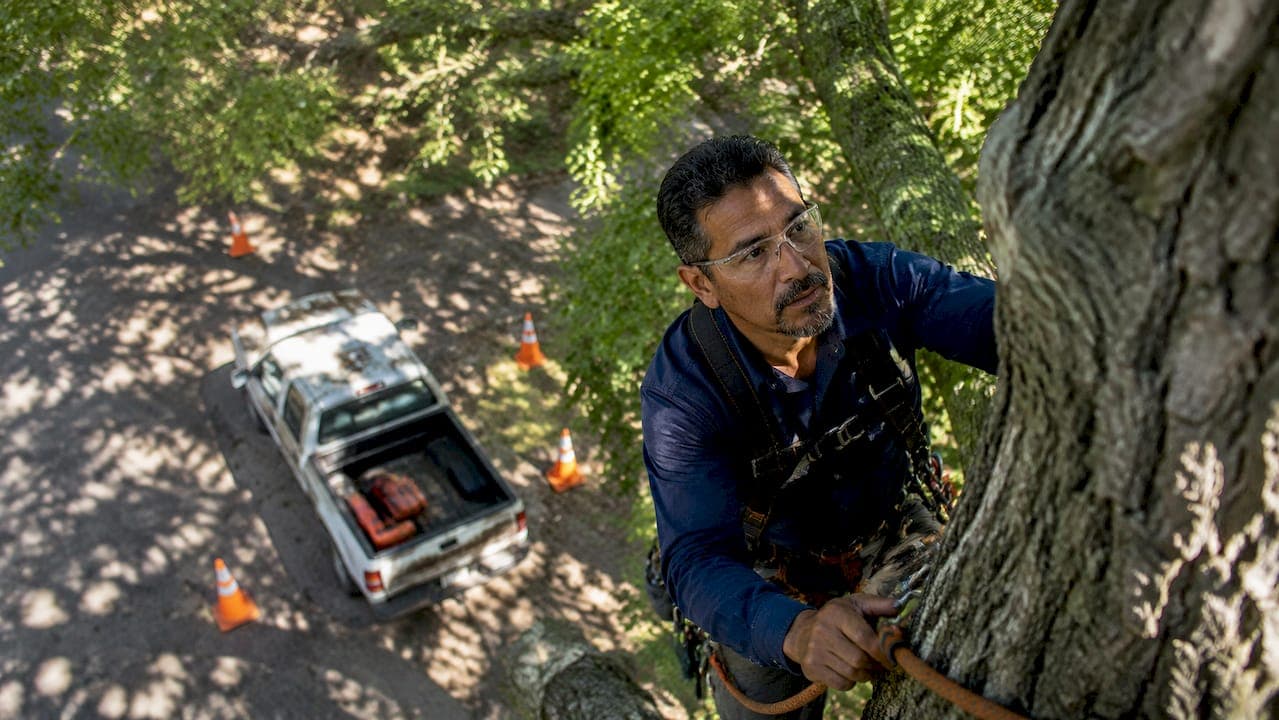
Tree service worksite safety is defined as the full set of procedures, equipment standards, and regulatory requirements that protect tree care workers from the hazards specific to arboricultural operations. Falls, electrocutions, and struck-by incidents represent the three leading causes of fatalities in tree work, and each is preventable through adherence to ANSI Z133 and OSHA guidelines. Every crew member, safety officer, and contractor working in this field needs a clear understanding of what these standards require and how to apply them on every job site.
What is tree service worksite safety and why does it matter?
Tree service worksite safety covers every practice that keeps crew members alive and uninjured from the moment they arrive on site to the moment they leave. The industry term for the governing standard is ANSI Z133, the American National Standard for Arboricultural Operations Safety Requirements. This standard defines minimum requirements for everything from PPE selection to electrical approach distances, and it carries the weight of both regulatory enforcement and insurance compliance.
The stakes are high. Tree care ranks among the most hazardous occupations in the United States. The three dominant risks are falls from height, electrocution from overhead power lines, and struck-by incidents from falling limbs or equipment. Understanding these risks is the foundation of any effective safety program, and no crew should begin a job without a shared understanding of which hazards are present that day.
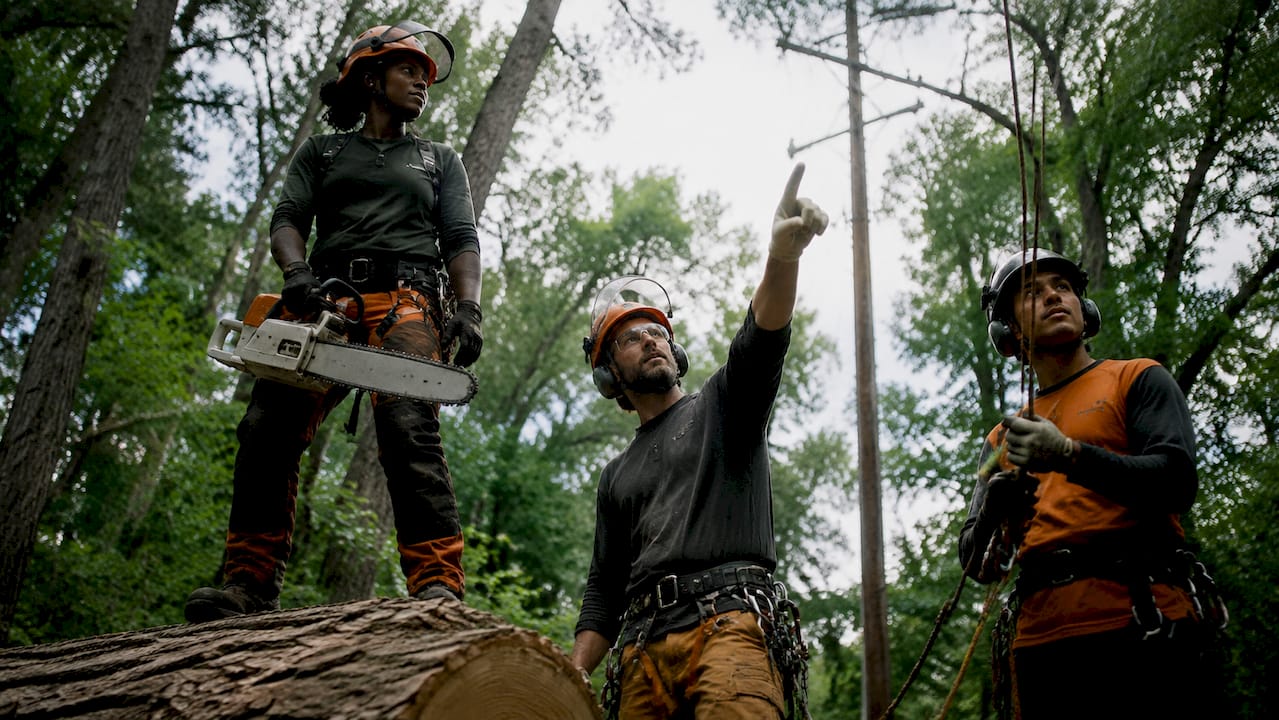
Worksite safety for tree services also means recognizing that conditions change. A site that looks manageable at 7 a.m. can become dangerous by noon if winds pick up or a hidden decay pocket is discovered mid-climb. Static safety plans fail. Dynamic ones save lives.
What are the core hazards and risks in tree service work environments?
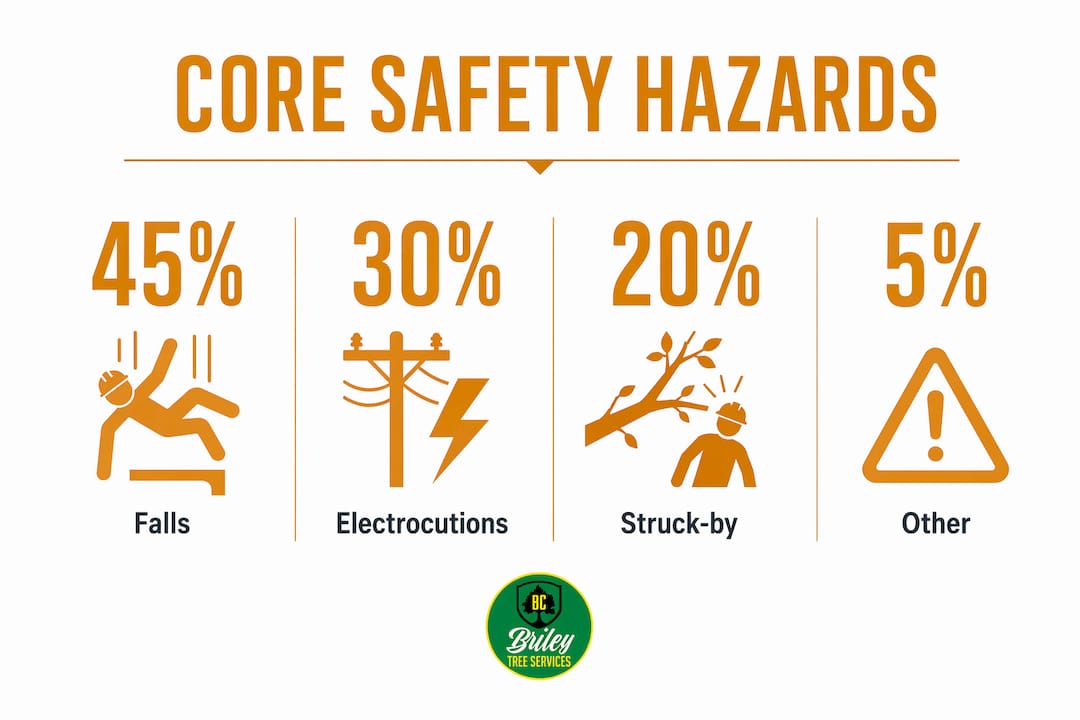
The three hazards OSHA targets most aggressively in tree care are falls, electrocutions, and struck-by incidents. These are not abstract risks. They account for the majority of serious injuries and deaths in the industry each year.
Falls occur during climbing, aerial lift operations, and even ground-level work near drop zones. Electrocutions happen when workers or equipment contact energized power lines, often because the crew underestimated proximity or assumed a line was de-energized. Struck-by incidents involve falling branches, ejected wood from chippers, or shifting logs during removal.
Beyond the "Big Three," tree work introduces dynamic hazards that shift throughout the day:
- Changing weather conditions: Wind speed, lightning risk, and wet surfaces alter the danger profile of any job within minutes.
- Hidden tree defects: Decay, cracks, and weak branch unions are not always visible from the ground and can cause sudden failure.
- Equipment hazards: Chainsaws, wood chippers, and aerial lifts each carry specific risks that require dedicated training and daily inspection.
- Worker fatigue: Physical exhaustion reduces reaction time and judgment, particularly during long jobs or in summer heat.
Dynamic hazard recognition means scanning continuously for new risks throughout the workday, not just at the start. This includes monitoring shifting winds, audible tree cracks, and visible signs of crew fatigue.
Pro Tip: Assign one crew member the specific role of hazard monitor during high-risk cuts. That person stops all other tasks and watches for environmental changes, falling debris, and equipment position.
How do industry standards and regulations shape tree worksite safety?
ANSI Z133 is the benchmark standard for arboricultural operations safety in the United States. It covers climbing techniques, aerial lift operations, chipper safety, electrical hazard management, and PPE requirements. Compliance with ANSI Z133 is not optional for professional tree care companies. Insurance carriers and OSHA inspectors both reference it during audits and incident investigations.
OSHA's performance-based approach shifts the focus from simply providing gear to verifying that workers can actually use it correctly. OSHA standards require employers to confirm that employees recognize hazards, know how to avoid them, and demonstrate competent PPE use under supervision. Handing a worker a hard hat and calling it training does not satisfy this requirement.
Electrical safety rules are among the most specific in the standard. The minimum approach distance for untrained personnel near energized power lines is 10 feet, with greater distances required for higher voltages. Only qualified line-clearance arborists may work within those minimum approach distances. Every other crew member must stay outside them, period.
PPE requirements under ANSI Z133 and related standards include:
| PPE Item | Standard or Requirement |
|---|---|
| Hard hat | ANSI Z89.1, Class E for electrical work |
| Eye and face protection | ANSI Z87.1 rated safety glasses or face shield |
| Hearing protection | Required when noise exposure exceeds 85 decibels TWA |
| Chainsaw-resistant leg protection | ASTM F1897 rated chaps or pants |
| Climbing harness | ANSI/ISEA 121 or equivalent fall protection standard |
Pro Tip: Document every PPE inspection with a timestamped photo or digital log. Digital safety records are the first line of defense during an insurance audit or OSHA review.
What does a comprehensive tree service worksite safety plan include?
A complete safety plan for tree service operations is not a single document. It is a system of pre-job assessments, checklists, crew protocols, and emergency procedures that work together on every job.
The pre-job hazard assessment is the starting point. Before any chainsaw starts, the crew lead must evaluate:
- Site conditions: Ground stability, traffic exposure, proximity to structures, and public access points.
- Tree condition: Visible decay, lean direction, root damage, and structural integrity.
- Electrical hazards: Location and voltage of all overhead lines within the work zone.
- Drop zones: Clear identification of where material will fall and who controls access to those areas.
- Rescue plan: Confirmed first aid resources and a documented emergency response procedure.
ANSI Z133 requires at least one crew member trained in first aid and CPR to be present on every job site at all times. This is a non-negotiable requirement, not a recommendation.
Communication protocols matter as much as physical safety measures. Every crew needs defined hand signals or radio codes for stop-work commands, clear role assignments for each phase of the job, and an understood authority structure where any worker can call a halt for safety reasons. For residential jobs, reviewing safe work zone setup before the crew starts reduces confusion and prevents bystander exposure.
Equipment inspection runs parallel to the hazard assessment. Chainsaws, ropes, carabiners, and aerial lifts all require daily pre-use checks. A defective piece of equipment found before the job starts is a near-miss. The same defect found mid-job is an incident waiting to happen.
How can tree service crews implement advanced safety practices?
Meeting minimum compliance standards keeps a company legal. Building a proactive safety culture keeps workers alive. The difference between the two is visible leadership and daily habit.
Many fatalities in tree care involve workers with less than one year of experience. New crew members need structured onboarding that goes beyond reading a safety manual. They need supervised field time, verified PPE competency, and a clear understanding that stopping work for a safety concern is expected, not penalized.
Advanced safety practices for tree crews include:
- Daily site surveys: Walk the full work area at the start of each shift and after any significant change in conditions.
- Stop-work authority: Every crew member, regardless of rank, has the right and responsibility to halt operations when they identify an uncontrolled hazard.
- Utility coordination: Qualified line-clearance crews contact utility companies before any work near power lines to request de-energization or line shielding. All overhead lines are treated as energized until the utility confirms otherwise in writing.
- Fatigue management: Schedule the most hazardous tasks, such as aerial work and large cuts, during the first half of the workday when crew alertness is highest.
- Competency verification: Supervisors observe and document each worker's ability to use PPE correctly, not just confirm they own the equipment.
Workers who are comfortable and competent with their PPE under supervision produce safer work environments than those who simply possess the gear. This distinction drives the difference between a compliant crew and a safe one.
Pro Tip: Run a five-minute tailgate safety meeting at the start of every job. Cover the day's specific hazards, confirm PPE, and review the stop-work signal. Five minutes of preparation prevents hours of incident response.
For commercial projects where planning complexity increases, coordinating tree removal planning with site managers before mobilization reduces surprises and keeps safety controls intact.
Key takeaways
Tree service worksite safety requires ANSI Z133 compliance, dynamic hazard recognition, verified PPE competency, and a crew culture where every worker holds stop-work authority.
| Point | Details |
|---|---|
| ANSI Z133 is the baseline | All professional tree care operations must meet this standard for PPE, electrical safety, and emergency readiness. |
| Pre-job assessments are mandatory | Evaluate site conditions, tree structure, electrical hazards, drop zones, and rescue plans before any work begins. |
| Electrical approach distances are fixed | Untrained workers must stay at least 10 feet from energized lines; only qualified line-clearance arborists may work closer. |
| New workers face the highest risk | Structured onboarding and supervised field training reduce fatalities among workers in their first year. |
| Documentation protects the company | Timestamped digital safety records defend against insurance audits and OSHA investigations. |
What I've learned from watching safety programs succeed and fail
The gap between a crew that follows safety rules and a crew that owns safety is almost always the crew lead. When the lead treats the pre-job checklist as a real tool rather than a paperwork requirement, the rest of the crew follows. When the lead skips steps because the job looks routine, workers learn that safety is optional under pressure.
I've seen new workers get hurt not because they lacked PPE, but because no one verified they knew how to use it correctly. A chainsaw-resistant chap worn too low or a harness with a loose leg strap provides false confidence, not real protection. OSHA's performance-based standard exists precisely because gear provision and worker competency are not the same thing.
The hardest cultural shift is giving every crew member genuine stop-work authority. Most workers, especially newer ones, hesitate to halt a job because they fear looking overly cautious or slowing the crew down. The companies with the best safety records make it clear from day one that stopping work for a real concern is a sign of professionalism, not weakness. That message has to come from leadership, repeatedly, and it has to be backed up when someone actually uses that authority.
For crews working near residential properties, connecting emergency response planning to the pre-job briefing adds a layer of readiness that most crews overlook until they need it.
— Tatum
Brileytreeservice's approach to professional, safe tree care
Brileytreeservice operates under ANSI Z133 and OSHA standards on every job in Shreveport, Bossier City, and across Northwest Louisiana. The company's crews complete pre-job hazard assessments, maintain current first aid and CPR certifications, and follow documented PPE and equipment inspection protocols on every site.
Whether the job involves tree removal, tree trimming, stump grinding, or emergency storm cleanup, Brileytreeservice brings the same safety discipline to residential and commercial properties. The team shows up prepared, works within established safety controls, and cleans up completely before leaving. Contact Brileytreeservice for a free estimate and see what a properly managed, safety-first tree service operation looks like on your property.
FAQ
What is tree service worksite safety?
Tree service worksite safety is the complete set of procedures, PPE requirements, and regulatory standards that protect tree care workers from falls, electrocutions, and struck-by incidents during arboricultural operations. The primary governing standard in the United States is ANSI Z133.
How close can tree workers get to power lines?
Untrained personnel must maintain a minimum distance of 10 feet from energized power lines, with greater distances required for higher voltages. Only certified line-clearance arborists may work within those minimum approach distances.
What PPE is required for tree trimming safety?
Tree trimming safety practices require ANSI Z89.1 hard hats, ANSI Z87.1 eye protection, ASTM F1897 chainsaw-resistant leg protection, and hearing protection when noise exceeds 85 decibels TWA, per ANSI Z133 requirements.
Does every tree crew need a first aid-trained member on site?
ANSI Z133 requires at least one crew member trained in first aid and CPR to be present on every job site at all times. This requirement applies to every job, regardless of size or duration.
Why do new tree workers face higher safety risks?
Many tree care fatalities involve workers with less than one year of experience, because new workers often lack verified PPE competency and situational awareness. Structured onboarding with supervised field training directly reduces this risk.