
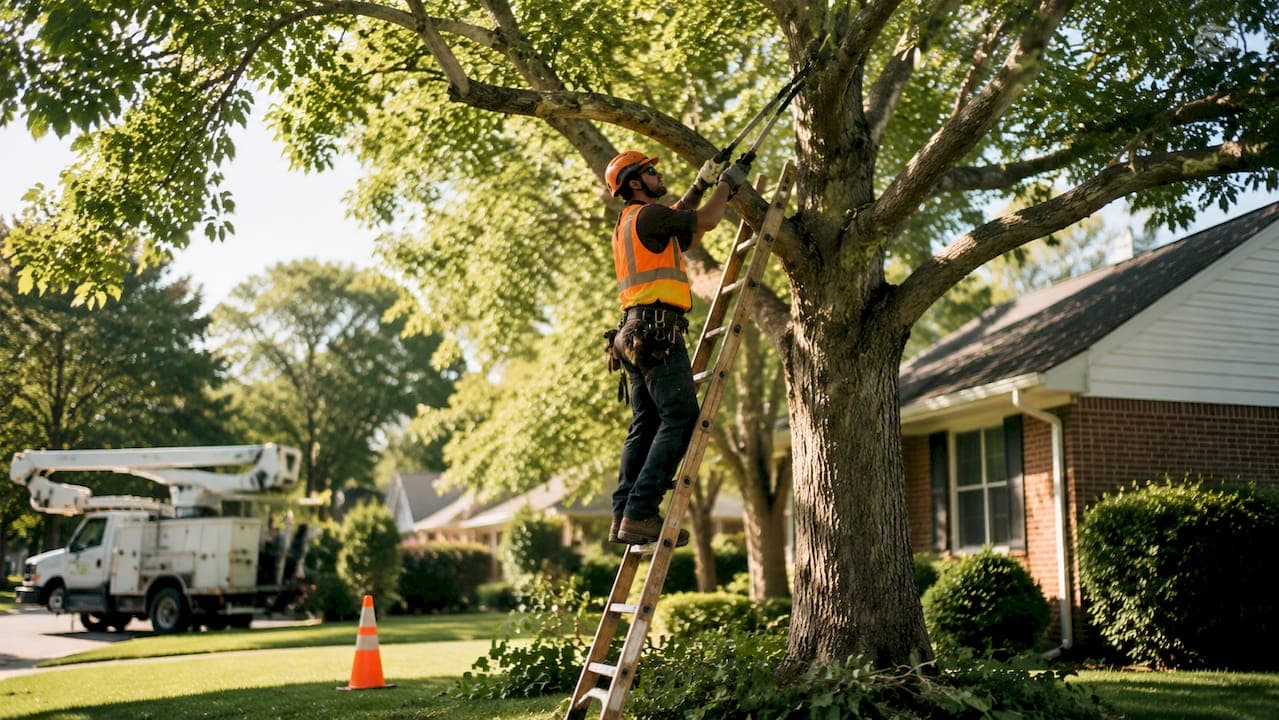
Preventive tree trimming is defined as scheduled branch removal performed before damage, disease, or structural failure occurs. The benefits of preventive tree trimming include reduced property damage risk, lower long-term maintenance costs, and measurably better tree health. Routine physical trimming accounts for 35.8% of all utility vegetation management activity, which reflects how central it is to safe property management. Industry professionals use the term "proactive pruning" interchangeably with preventive trimming. Both refer to the same practice: cutting with a plan, not a crisis. Brileytreeservice applies this approach across Shreveport, Bossier City, and Northwest Louisiana for residential and commercial properties alike.
1. Benefits of preventive tree trimming: reducing property damage risk
Preventive trimming directly reduces the risk of storm damage, structural failure, and injury from falling branches. Dead, weak, or diseased branches are the first to fail during high winds. Removing them before a storm season eliminates the most common source of roof damage, fence destruction, and power line interference.
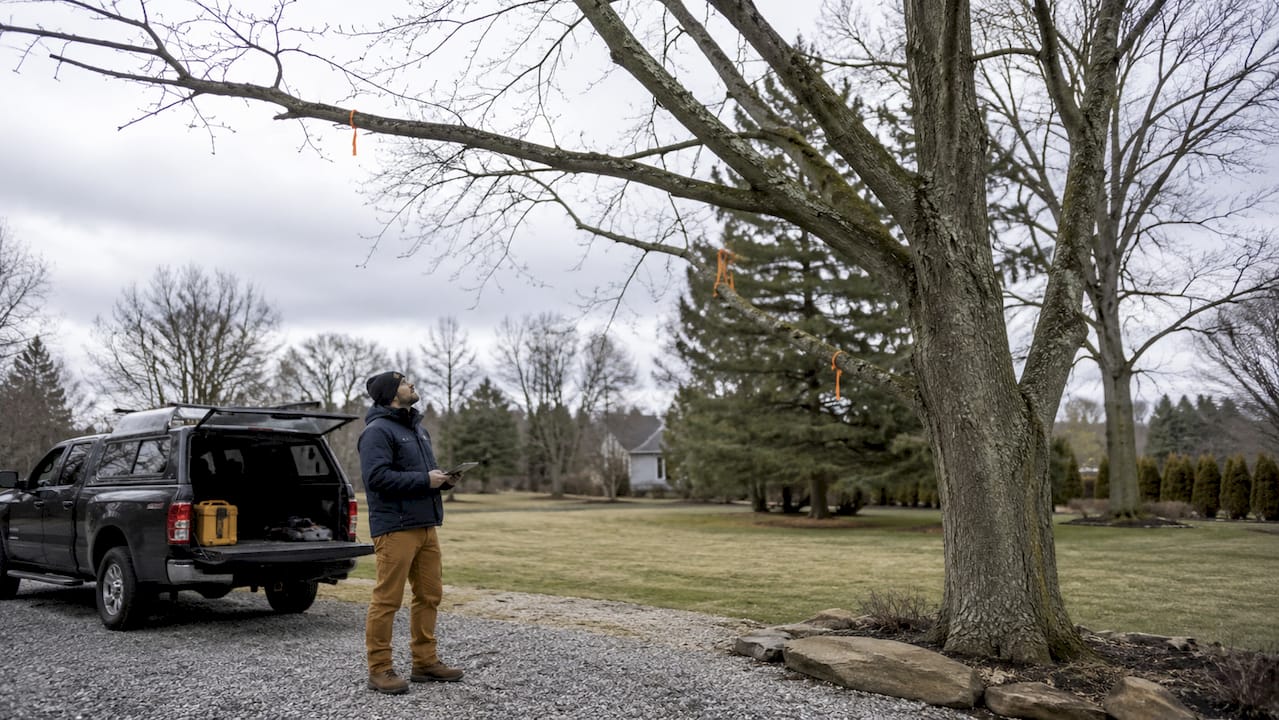
Canopy thinning reduces wind resistance and mechanical stress on the tree's structural branches. A dense, untrimmed canopy acts like a sail in a storm. Thinning it lets wind pass through rather than push against the entire tree.
Common damage categories that proactive trimming prevents include:
- Roof and gutter damage from overhanging limbs
- Power line interference that triggers outages and utility fines
- Blocked sightlines near driveways and intersections
- Foundation pressure from roots encouraged by unmanaged canopy weight
- Fence and vehicle damage from falling branches during storms
Pro Tip: Schedule a trimming inspection in late winter or early spring, before storm season begins. Catching weak limbs before the first major weather event gives you the maximum protection window.
2. What cost savings come from preventive tree trimming?
Scheduled trimming converts tree care from a reactive cost into a predictable budget line. Emergency tree removal after a storm costs significantly more than routine maintenance. That gap widens further when you factor in roof repairs, insurance deductibles, and cleanup fees.
A structured pruning program also extends a tree's lifespan. Longer-lived trees mean fewer replacements, and mature trees add measurable value to residential and commercial properties.
| Cost Category | Planned Trimming | Reactive/Emergency |
|---|---|---|
| Routine branch removal | Predictable, scheduled | Not applicable |
| Emergency removal after failure | Rarely needed | Frequent and expensive |
| Storm cleanup and debris | Minimal | High |
| Roof or structure repair | Avoided in most cases | Common outcome |
| Tree replacement frequency | Low (extended lifespan) | Higher (neglect accelerates decline) |
Key financial advantages of a scheduled trimming program include:
- Fewer emergency callouts that carry premium pricing
- Reduced insurance claims from storm-related tree damage
- Lower replacement costs because trees live longer with proper care
- Predictable annual budgets for property managers overseeing multiple sites
Structured seasonal pruning plans can eliminate major storm-related tree failures. One multi-year case study recorded zero major tree failures across three consecutive storm seasons after a planned pruning program was implemented. That outcome is not luck. It is the direct result of removing risk before it compounds.
3. How preventive tree trimming promotes tree health and growth
Pruning is fundamentally about tree physiology, not just appearance. Proper pruning improves airflow and sunlight penetration inside the canopy, which reduces the conditions that allow fungal disease and pest infestations to take hold. A crowded canopy traps moisture and blocks light. Both conditions accelerate decay and attract insects.
Selective branch removal also corrects structural defects before they become failures. Codominant stems, where two trunks of equal size compete for dominance, create weak unions that split under load. Removing one stem early costs far less than managing the aftermath of a split.
Health benefits of regular trimming include:
- Reduced fungal disease from improved air circulation
- Lower pest pressure because insects prefer stressed, overcrowded canopies
- Stronger branch structure through early correction of codominant stems
- Better fruit and flower production in ornamental and fruit-bearing trees
- Faster wound closure when cuts are made at the right time and location
Avoiding excessive pruning is equally important. Removing more than 25–30% of the canopy at once stresses the tree and weakens its ability to fight disease. This is called the energy penalty, and it can set a tree back by years.
Pro Tip: Use phased trimming over two or more seasons when a tree needs significant work. A certified arborist can design a phased plan that improves structure without triggering stress responses.
4. How often should preventive tree trimming be performed?
Experts recommend a trimming cycle of every 3–5 years for most trees. That range covers the majority of established shade trees on residential and commercial properties. Fast-growing species like silver maple, willow, and cottonwood need attention more frequently, sometimes every 1–2 years.
Several factors push a tree outside the standard cycle:
- Proximity to structures. Trees within 10 feet of a roof, fence, or power line need more frequent review.
- Recent storm activity. Any storm that causes visible damage warrants an immediate inspection, regardless of schedule.
- Species growth rate. Fast-growing trees accumulate hazardous limbs faster than slow-growing hardwoods.
- Age and condition. Older trees with existing decay or past damage need closer monitoring.
Hazardous branches require immediate removal regardless of where a tree sits in its trimming cycle. Waiting for a scheduled visit when a branch is visibly cracked or dead is a liability risk. The tree trimming frequency guide from Brileytreeservice covers species-specific recommendations in detail for homeowners across Northwest Louisiana.
Trimming inspections also reveal hidden structural defects like internal decay and weak branch unions that are invisible from the ground. This is one reason why professional trimming delivers more value than the cut itself.
5. What additional benefits come from documenting your trimming schedule?
Documentation turns a trimming program into a legal and financial asset. Consistent pruning records help property managers demonstrate due diligence in insurance claims and liability cases. When a tree fails and causes damage, the difference between a documented maintenance history and no records can determine who pays.
For property managers overseeing multiple locations, a scheduled program also enables consistent budgeting. You know what each property costs to maintain, when the next service is due, and which trees need priority attention. That predictability reduces surprises and makes annual budget planning straightforward.
Practical documentation benefits include:
- Insurance claim support with dated service records and arborist notes
- Liability defense showing the property was actively managed, not neglected
- Budget forecasting across multiple properties with known service intervals
- Vendor accountability when comparing service quality over time
- Resale value documentation showing buyers that trees were professionally maintained
A certified arborist consultation is the most reliable way to build a documented schedule. Arborists assess each tree individually, assign risk ratings, and recommend service intervals based on species, condition, and location. The benefits of professional arborist consultation go well beyond the trim itself. They include written reports that hold up in court and with insurers. For property managers, tree protection practices developed by certified professionals provide a practical framework for managing liability across multiple sites.
Key takeaways
Preventive tree trimming is the most cost-effective way to protect property, extend tree lifespan, and reduce emergency repair costs over time.
| Point | Details |
|---|---|
| Trim on a 3–5 year cycle | Most trees need professional trimming every 3–5 years; fast-growing species need more frequent care. |
| Remove hazards immediately | Cracked or dead branches require removal right away, regardless of the scheduled cycle. |
| Limit canopy removal per session | Never remove more than 25–30% of the canopy at once to avoid stressing the tree. |
| Document every service | Written records support insurance claims and demonstrate due diligence in liability cases. |
| Plan before storm season | Scheduling trims in late winter or early spring provides the strongest protection window. |
Why I think most property owners wait too long
Most property owners only call a tree service after something goes wrong. A branch falls on a fence, a storm splits a limb over the driveway, or a neighbor complains about an overhanging tree. By that point, the cost is always higher and the options are always fewer.
What I have seen repeatedly is that trees look fine right up until they do not. A tree can carry internal decay, a cracked branch union, or a codominant stem for years without any visible sign. The first indication is often the failure itself. That is the core problem with reactive tree care. You are managing consequences, not conditions.
Preventive trimming changes that equation. When a professional inspects and trims a tree on a regular schedule, they are not just cutting branches. They are reading the tree, identifying what is developing, and removing risk before it becomes a bill. That is a fundamentally different service than emergency removal.
The property managers I respect most treat tree care the same way they treat HVAC maintenance or roof inspections. It goes on the calendar, it has a budget line, and it happens whether or not anything looks wrong. That discipline is what separates properties that stay safe from those that generate claims.
— Tatum
Brileytreeservice: scheduled tree care for Shreveport properties
Brileytreeservice provides professional tree trimming for residential and commercial properties throughout Shreveport, Bossier City, and Northwest Louisiana. The team specializes in scheduled maintenance programs that keep trees healthy, reduce storm damage risk, and give property owners a predictable service calendar. Every job includes cleanup, and every estimate is free.
Property owners who want to move from reactive to planned tree care can request a free estimate directly through the Brileytreeservice website. The team assesses each tree on site, identifies current risks, and recommends a trimming schedule based on species, condition, and proximity to structures. Getting on a schedule is the single most effective step you can take for long-term tree and property safety.
FAQ
What is preventive tree trimming?
Preventive tree trimming is the scheduled removal of dead, weak, or structurally compromised branches before they cause damage or disease. It differs from reactive trimming, which happens only after a problem occurs.
How often should trees be trimmed for best results?
Most trees benefit from trimming every 3–5 years. Fast-growing species and trees near structures may need attention every 1–2 years.
Does regular trimming actually save money?
Scheduled trimming reduces emergency removal costs, storm cleanup fees, and structural repair expenses. It converts unpredictable tree care costs into a planned budget line.
Can trimming hurt a tree if done incorrectly?
Removing more than 25–30% of the canopy at once stresses the tree and weakens its immune response. Phased trimming over multiple seasons avoids this problem.
What should I document after each tree trimming service?
Record the date, the arborist's name, which trees were serviced, what was removed, and any defects noted. These records support insurance claims and demonstrate active property management.