
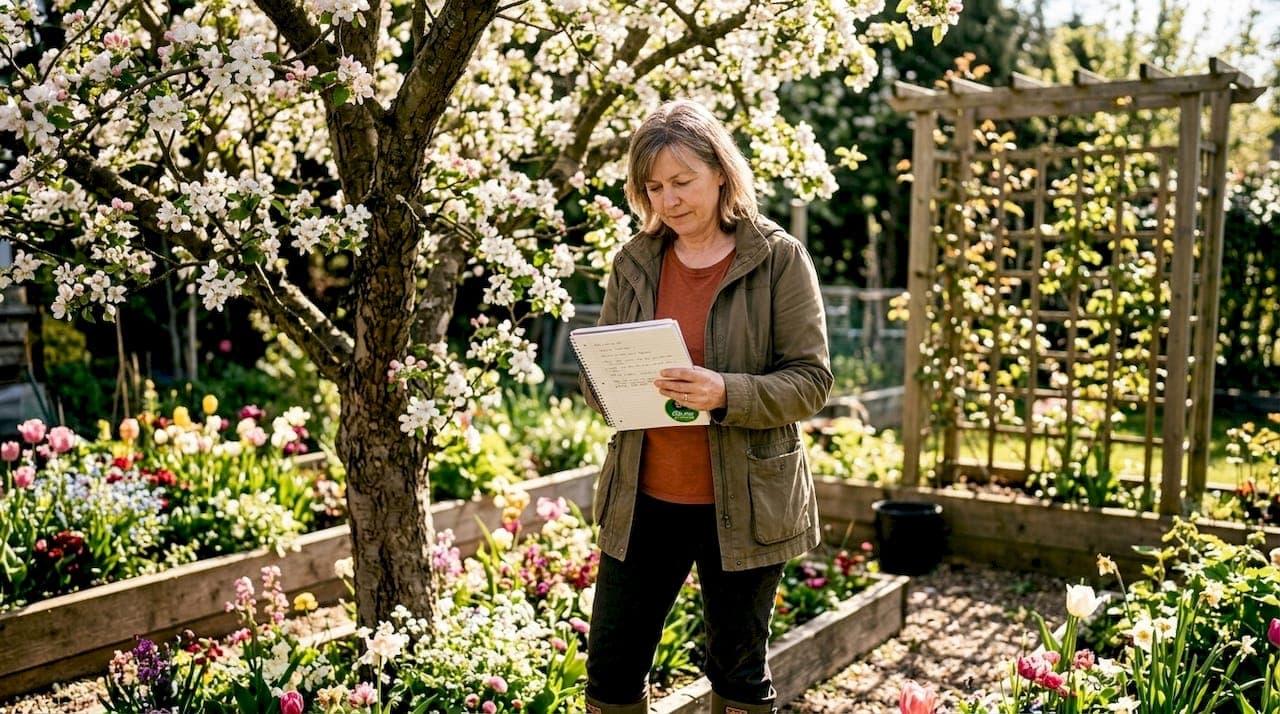
Tree trimming frequency is the planned interval at which trees are pruned to promote health, safety, and controlled growth. This tree trimming frequency guide covers the full picture: how often to trim by age and species, the best time for tree trimming by season, and how to build a practical tree care schedule for your property. The standard industry term is pruning, and professionals use it interchangeably with trimming throughout this guide. As a baseline, mature trees need trimming every 3–5 years, while young trees under 10 years old need attention every 1–3 years. Factors like species, location, and nearby structures shift those numbers significantly.
1. How often to trim trees based on age and growth rate
Tree age is the single most reliable starting point for any tree pruning schedule. Young trees under 10 years old need structural pruning every 1–3 years. Early shaping builds a strong branch framework that reduces costly corrections later.
Mature trees in the 10–30 year range benefit from trimming every 3–5 years. At this stage, the goal shifts from shaping to maintaining health and removing dead or crossing branches. Trees older than 30 years may only need attention every 5–7 years, depending on species and condition.
Growth rate matters just as much as age. Fast-growing trees like silver maples and cottonwoods need trimming every 2–3 years because their wood is structurally weak and prone to storm damage. Slow-growing oaks can go 5–7 years between trims without issue.
- Young trees (under 10 years): Every 1–3 years for structural development
- Mature trees (10–30 years): Every 3–5 years for health and shape
- Old trees (30+ years): Every 5–7 years depending on species
- Silver maple and cottonwood: Every 2–3 years due to weak wood
- Oak trees: Every 5–7 years; slow growth means less frequent care
Pro Tip: Start structural pruning in the first three years of a tree's life. Correcting poor branch structure early costs far less than removing a failed limb from a 20-year-old tree.
2. What is the best time of year to trim different types of trees?
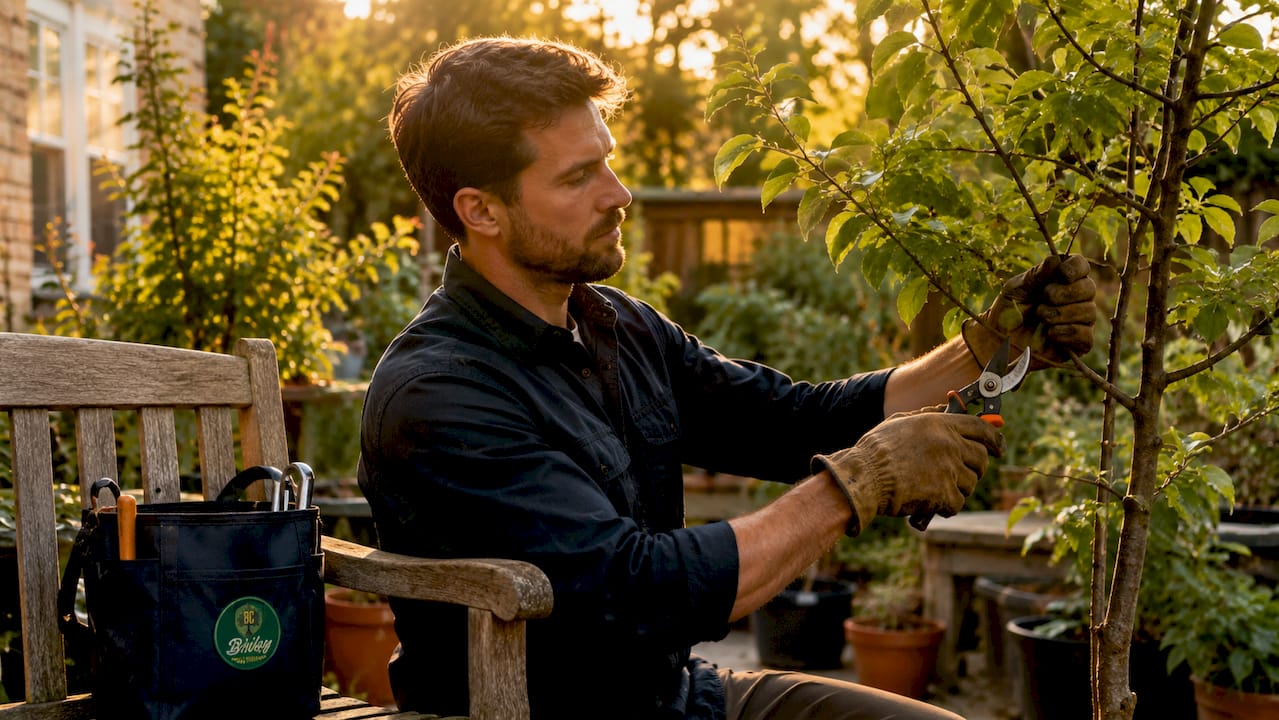
Timing is the most overlooked variable in any seasonal tree trimming guide. Late winter to early spring is the best time for most deciduous trees. Pruning during dormancy reduces sap loss, limits stress, and makes structural defects easier to spot before leaves return.
The dormant window typically runs from late november through march in most regions. That window gives you several months to work through your property without harming tree health.
- Deciduous trees: Late winter to early spring, before bud break
- Fruit trees: Annual pruning just before bud swell in early spring maximizes harvest
- Spring-flowering trees (dogwood, redbud, lilac): Prune immediately after blooming to protect next year's flowers
- Evergreens: Summer is appropriate for deadwood removal and light shaping
- Oak trees: Avoid pruning in spring and summer to prevent oak wilt disease
Pruning spring-flowering trees during winter removes the buds that would have become next season's blossoms. Summer-blooming trees set buds on new wood, so dormant pruning works well for them.
| Tree type | Best pruning season | Notes |
|---|---|---|
| Deciduous shade trees | Late winter to early spring | Prune before bud break |
| Fruit trees | Early spring before bud swell | Annual pruning required |
| Spring-flowering trees | Immediately after bloom | Preserves next year's flowers |
| Evergreens | Late spring to early summer | Deadwood and light shaping only |
| Oak trees | Late fall to early winter | Avoid spring and summer cuts |
Pro Tip: Always cut just outside the branch collar, the slightly raised ring where a branch meets the trunk. Flush cuts damage the tree's natural defense zone and slow wound closure, increasing the risk of decay.
3. Which factors besides age and season affect trimming frequency?
Location on your property changes the tree care frequency calculation fast. Branches near roofs, driveways, or power lines need more frequent trimming than isolated yard trees. The risk to structures and people outweighs the standard biological schedule.
Disease and storm damage override any planned schedule entirely. Dead, diseased, or broken branches require removal as soon as they are identified. Waiting for the next scheduled trim cycle creates unnecessary hazard. For trees growing close to electrical infrastructure, read up on trimming trees near power lines before attempting any work yourself.
- Proximity to structures: Trees near roofs, fences, or driveways need trimming more often
- Storm damage: Broken or hanging branches require immediate attention, not scheduled care
- Disease or pest infestation: Infected wood must be removed promptly to stop spread
- Urban stress: Trees in compacted soil or high-traffic areas often grow irregularly and need more frequent correction
- Species vulnerabilities: Silver maple has weak branch attachments; oaks face oak wilt risk during warm months
Inspections every 2–3 years help catch co-dominant stems and crossing branches early. Catching these issues before they become structural failures keeps pruning costs low and trees healthy. Local regulations in some municipalities also set trimming requirements for trees near public infrastructure, so check with your city or county if you are unsure.
4. How to create a practical tree trimming schedule for your property
A workable tree care schedule starts with a simple inventory. Walk your property and note each tree's species, approximate age, and proximity to structures. That information sets your baseline intervals before you factor in anything else.
Group your trees into three categories: young trees needing annual or biennial shaping, mature trees on a 3–5 year cycle, and old or slow-growing trees on a 5–7 year cycle. Assign each tree a target year for its next trim and mark it on a calendar. This prevents the common mistake of trimming everything at once and then ignoring trees for a decade.
| Tree type or situation | Recommended trimming interval | Priority level |
|---|---|---|
| Young trees (under 10 years) | Every 1–3 years | High: structural development |
| Mature shade trees | Every 3–5 years | Medium: health and shape |
| Old or slow-growing trees | Every 5–7 years | Low: maintenance only |
| Fast-growing species (silver maple, cottonwood) | Every 2–3 years | High: storm risk reduction |
| Trees near structures or power lines | Every 1–2 years | Critical: safety priority |
| Fruit trees | Annually | High: harvest and health |
Schedule a visual safety inspection every year, even in off-years when no trimming is planned. Look for dead branches, cracks in the trunk, and any growth that has moved toward a structure. For commercial properties, tree maintenance best practices recommend formal documentation of each tree's condition and service history.
Bring in a certified arborist for any tree that shows signs of structural failure, disease, or significant storm damage. Professional assessment is worth the cost when the alternative is a fallen limb on a roof or vehicle. If a tree has declined beyond what trimming can fix, review when a tree needs removal before making a final call.
5. DIY tree trimming advice: what you can safely handle yourself
Most homeowners can handle light trimming on small trees without professional help. The practical limit is any branch you can reach safely from the ground or a stable step ladder, on a tree no taller than 15 feet. Beyond that, the risk of injury or property damage rises sharply.
Use bypass pruning shears for branches up to three-quarters of an inch thick. A pruning saw handles branches up to three inches. Anything larger than three inches on a mature tree belongs in the hands of a professional with the right equipment and insurance.
Always make cuts at a slight angle just outside the branch collar. Never leave stubs. Stubs do not heal cleanly and become entry points for decay and insects. For a deeper look at trimming benefits for homeowners, including curb appeal and long-term property value, the research is consistent: regular light maintenance outperforms infrequent heavy cuts every time.
6. How species-specific vulnerabilities change your trimming plan
Not all trees respond to pruning the same way. Species-specific biology shapes both the timing and the frequency of every cut. Ignoring these differences leads to preventable damage.
Oak trees are the clearest example. Pruning oaks during spring or summer creates open wounds that attract the beetles responsible for spreading oak wilt, a fatal fungal disease. Certified arborists in high-risk regions often refuse to prune oaks outside the late fall to early winter window unless a safety emergency requires it. That restriction is not overcaution. It is sound disease management.
Silver maples present a different problem. Their rapid growth produces a lot of wood quickly, but that wood is brittle. Branches fail under ice, wind, and their own weight. A 2–3 year trimming cycle keeps the canopy manageable and reduces the load on structurally weak attachment points. Cottonwoods behave similarly and carry the same risk profile.
Fruit trees like apple, peach, and pear require annual pruning as a non-negotiable part of their care. Skipping even one year allows the canopy to crowd, reduces light penetration, and cuts fruit yield. The hurricane season pruning guide from Salvation Land Management also highlights how annual pruning of fruit trees in storm-prone areas reduces wind resistance and branch failure risk during severe weather.
Key takeaways
The most effective tree pruning schedule matches trimming intervals to each tree's age, species, and location rather than applying a single fixed timeline to every tree on your property.
| Point | Details |
|---|---|
| Age drives baseline frequency | Young trees need trimming every 1–3 years; mature trees every 3–5 years; old trees every 5–7 years. |
| Species changes the schedule | Fast-growing silver maples need care every 2–3 years; slow-growing oaks can wait 5–7 years. |
| Timing protects tree health | Late winter to early spring is best for most trees; avoid pruning oaks in spring and summer. |
| Location raises the priority | Trees near roofs, driveways, or power lines need more frequent trimming regardless of age. |
| Annual inspections catch problems early | Visual checks every year prevent small structural issues from becoming expensive failures. |
What I have learned from years of watching homeowners manage their trees
Most homeowners trim their trees too late and too hard. They wait until a branch is obviously dead or hanging over the roof, then cut back aggressively to compensate for years of neglect. That pattern is harder on the tree than consistent light pruning would ever be.
The misconception I see most often is that trimming is cosmetic. Homeowners think about curb appeal and stop there. The structural argument is actually stronger. A young tree pruned correctly in its first five years develops a branch architecture that holds up through decades of storms. A tree that never gets early attention often develops co-dominant stems, where two trunks compete for dominance and create a natural split point. That split does not show up as a problem until the tree is 25 years old and the failure takes out a fence or a car.
My honest recommendation is to treat your tree care schedule the same way you treat your HVAC maintenance. You do not wait for the system to fail before calling someone. You schedule it, you document it, and you adjust when conditions change. The same logic applies to every tree on your property.
— Tatum
Get expert tree trimming help from Brileytreeservice
Knowing the right trimming intervals is one thing. Executing them safely on mature trees, trees near structures, or species with strict seasonal requirements is another challenge entirely.
Brileytreeservice serves homeowners and property managers throughout Shreveport, Bossier City, and Northwest Louisiana with professional tree trimming services built around the exact schedules and species-specific guidance covered in this article. The team assesses each tree's age, condition, and location before recommending a trimming plan. Every job includes cleanup, and every estimate is free. Contact Brileytreeservice today to schedule your property assessment and get a trimming plan that protects both your trees and your investment.
FAQ
How often should most trees be trimmed?
Mature trees generally need trimming every 3–5 years, while young trees under 10 years old benefit from pruning every 1–3 years to build strong structure.
What is the best time of year to prune trees?
Late winter to early spring is the best time for most trees. The dormant period, typically late november through march, reduces stress and allows you to spot structural problems before leaves return.
Can I trim my oak tree in the summer?
No. Pruning oaks in spring or summer exposes fresh wounds to beetles that spread oak wilt, a fatal disease. Stick to late fall or early winter for oak pruning.
How do I know if a tree needs trimming sooner than scheduled?
Dead branches, crossing limbs, growth toward a structure, or visible storm damage all require attention immediately, regardless of your planned trimming cycle.
Do fruit trees need to be trimmed every year?
Yes. Fruit trees require annual pruning just before bud swell in early spring to maintain shape, allow light into the canopy, and maximize fruit yield.