
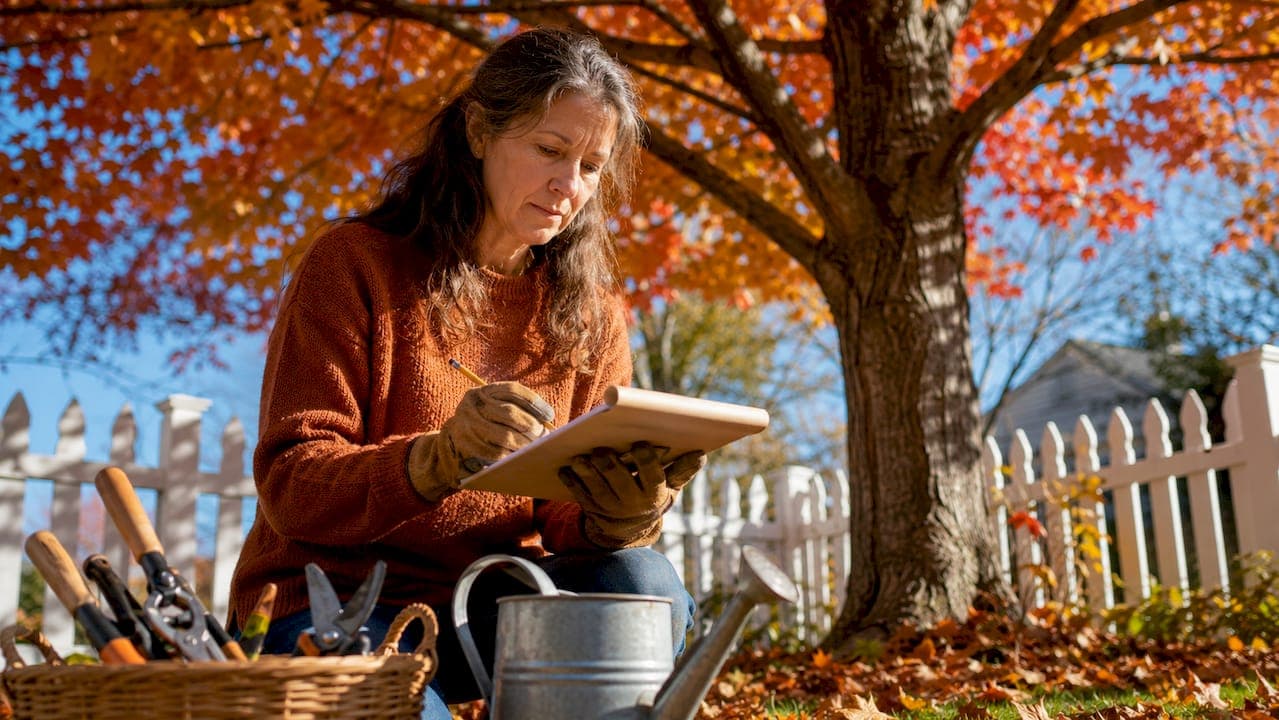
A tree care seasonal checklist is a structured, season-by-season guide of tasks that keep your trees healthy, safe, and growing strong throughout the year. Arborists refer to this practice as a tree care schedule or year-round maintenance plan, and it covers everything from winter structural inspections to fall root preparation. Without a plan, most homeowners react to problems instead of preventing them. Brileytreeservice serves property owners across Shreveport, Bossier City, and Northwest Louisiana who want to stay ahead of tree problems before they become expensive emergencies.
1. What does a tree care seasonal checklist cover?
A tree care seasonal checklist organizes all maintenance tasks by season so nothing gets missed. It includes pruning windows, watering schedules, pest monitoring, fertilization timing, and professional inspection intervals. The goal is preventive tree care that keeps trees structurally sound and reduces property risk year-round. Reactive maintenance after storm damage or disease outbreak costs significantly more than scheduled prevention.
2. What tree care tasks are essential in winter?
Winter is not a slow season for tree care. Winter is the ideal time for structural pruning and detailed assessments because leaf-off visibility improves accuracy and wound healing is faster. That means arborists can see every branch junction, crossing limb, and structural defect that foliage hides from april through october.
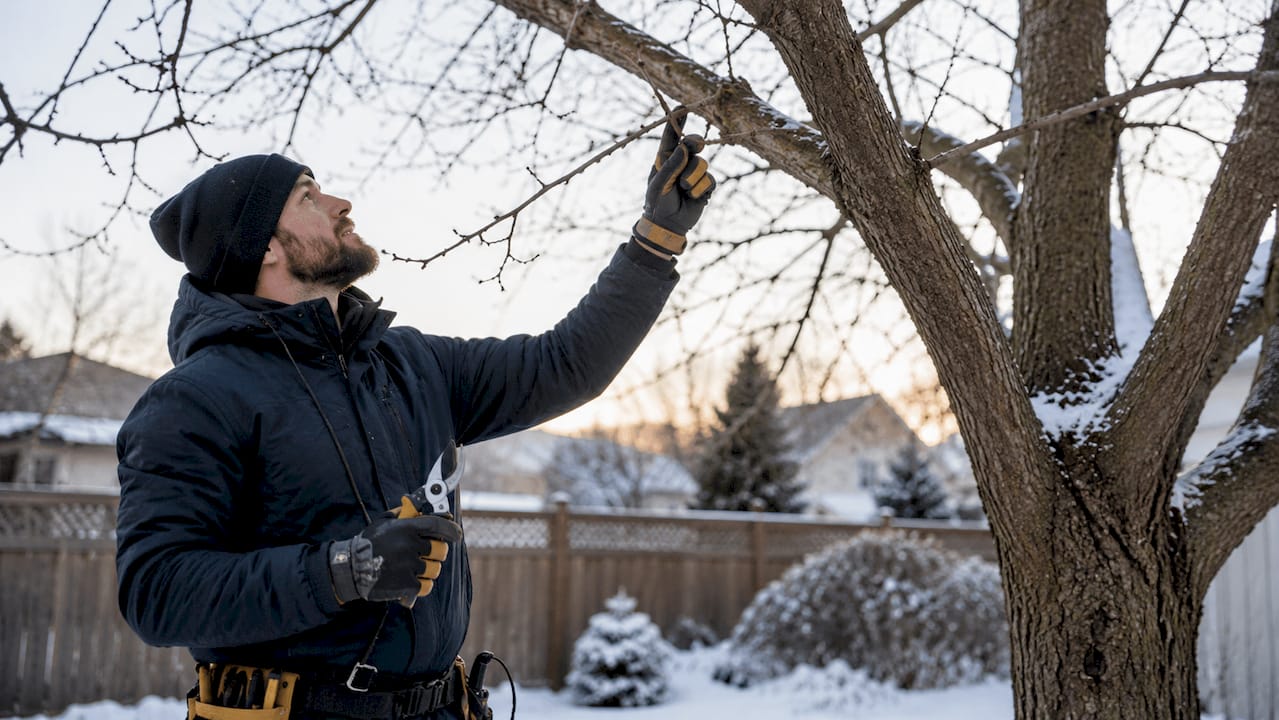
Scheduling professional assessments in january is the single best move a homeowner can make. Booking in january avoids spring backlogs and takes full advantage of leaf-off visibility for structural evaluation. Most homeowners wait until spring, then compete for appointment slots when every tree service in the region is fully booked.
Key winter tasks include:
- Structural inspection: Check for dead branches, cracks, and co-dominant stems that create failure risk.
- Pruning: Remove dead, crossing, and structurally weak limbs while trees are dormant.
- Watering during dry spells: Trees still need moisture when soil is dry, even in winter.
- Protective wrapping: Wrap thin-barked young trees to prevent frost cracking in hard freezes.
- Root zone inspection: Look for soil heaving or surface roots that may signal stress.
Pro Tip: Schedule your arborist visit in january or february. You get better availability, lower demand pricing, and the clearest view of your tree's structure before spring growth obscures it.
3. How to manage tree care tasks effectively in spring
Spring is the highest-stakes season for tree health decisions. Trees come out of dormancy stressed, and the wrong move at the wrong time can cause lasting damage. Assess winter damage first before doing any pruning. Dead wood from freeze events needs to be removed cleanly, but wait until you can confirm which branches are truly dead versus slow to leaf out.
Pruning timing is species-dependent and non-negotiable for some trees. Pruning oaks between april and july risks lethal Oak Wilt spread through beetle activity during peak season. That disease kills trees fast. In Louisiana's climate, oak trees are common, and this timing rule applies directly to Shreveport-area properties.
Spring tree care priorities include:
- Damage assessment: Walk every tree after winter and note cracked bark, broken limbs, or leaning trunks.
- Species-correct pruning: Prune early-blooming trees immediately after they flower to avoid bloom loss.
- Soil testing before fertilizing: Soil tests before fertilizing prevent nutrient imbalance and unnecessary expense specific to your local soil type.
- Pest and disease monitoring: Watch for scale insects, aphids, and fungal leaf spots as temperatures rise.
- Mulching: Apply 2–4 inches of mulch around the root zone to retain moisture and regulate soil temperature.
Spring fertilization without a soil test is a common and costly mistake. You may be adding nutrients the soil already has in excess, which can burn roots or create toxic imbalances.
4. What are summer tree care priorities and monitoring needs?
Summer in Northwest Louisiana means heat, humidity, and storm risk. Trees under heat stress show symptoms that are easy to misread. Wilting leaves, early leaf drop, and scorched leaf edges all signal drought stress, not disease. The fix is water, not pesticide.
Deep watering is the correct technique for established trees. Deep watering means soaking soil 12–18 inches slowly over 30–45 minutes using drip or soaker hoses, not rapid surface watering. Fast surface irrigation causes runoff and leaves the root zone dry. Roots grow where water reaches, so shallow watering creates shallow roots that fail in storms.
Watering frequency depends on tree age. Newly planted trees need water 2–3 times per week in the first year, tapering to weekly in the second year. Established trees only need supplemental water during dry spells longer than 14 days. That distinction matters because overwatering established trees causes root rot.
Pro Tip: Set a drip hose at the drip line of the tree, not at the trunk. Roots absorb water at the outer edge of the canopy, not at the base. Watering the trunk wastes water and can cause bark decay.
Summer also brings storm season. Light pruning to reduce canopy weight and clear branches from structures lowers storm damage risk. Do not attempt major pruning during peak summer heat, as open wounds heal slowly and attract insects.
5. What tree care practices should be conducted in fall for winter readiness?
Fall is preparation season. The work done in september through november determines how well your trees survive winter and recover in spring. Root systems are still active in fall even as leaves drop, making it the best window for soil amendments and fertilization.
Fall tree care priorities include:
- Fall fertilization: Apply slow-release fertilizer to support root energy storage before dormancy.
- Mulching: Refresh mulch to 3–4 inches deep to insulate roots against temperature swings.
- Hazard pruning: Remove dead limbs and weak branches before ice and wind loads arrive.
- Canopy clearance: Trim branches away from rooflines, power lines, and structures before storm season peaks.
- Leaf management: Rake and remove heavy leaf accumulation from the root zone to prevent fungal issues.
The table below shows the most critical fall tasks and their timing within the season:
| Task | Best timing | Why it matters |
|---|---|---|
| Fall fertilization | September through october | Roots store nutrients before dormancy |
| Mulch refresh | October | Insulates roots from freeze-thaw cycles |
| Hazard limb removal | October through november | Prevents ice and wind damage to property |
| Canopy clearance | October through november | Reduces storm damage risk to structures |
| Professional inspection | October | Identifies problems before winter sets in |
Proactive seasonal pruning focused on canopy weight and clearance is more cost-effective than emergency removals after storm damage. A single emergency tree removal after a storm can cost several times more than a scheduled fall pruning visit.
6. How to implement a year-round tree care schedule
A year-round tree care schedule works best when you assign tasks to specific months rather than vague seasons. The following monthly breakdown gives homeowners and property managers a clear action plan:
- January: Schedule professional structural inspection. Book early to avoid spring backlog.
- February: Complete dormant pruning for most species. Remove dead and crossing limbs.
- March: Assess winter damage. Begin pest monitoring as temperatures rise.
- April: Prune early-blooming trees after flowering. Avoid oak pruning from this point through july.
- May: Apply soil-tested fertilizer. Mulch root zones before summer heat arrives.
- June: Begin deep watering schedule for newly planted and stressed trees.
- July: Monitor for drought stress and pest activity. Avoid heavy pruning.
- August: Check irrigation effectiveness. Watch for early signs of fungal disease.
- September: Begin fall fertilization. Schedule hazard assessment before storm season.
- October: Refresh mulch. Complete canopy clearance from structures and rooflines.
- November: Final hazard pruning before hard freezes. Wrap young thin-barked trees.
- December: Review the year's tree health notes. Plan january inspection appointment.
Healthy mature trees need professional inspections annually. Young or stressed trees need semi-annual checks. That means a spring and fall visit for any tree that was recently planted, damaged, or showing signs of decline.
For homeowners who want to handle routine tasks themselves, learning how to safely trim backyard branches is a practical starting point. Structural work and anything near power lines always requires a certified arborist. The right trimming frequency varies by species and growth rate, but most residential trees benefit from professional attention every 2–3 years at minimum.
One hard rule applies across all seasons: do not remove more than 25% of a tree's live canopy in a single year. Removing more causes structural decline. Topping, which removes the central leader and bulk of the canopy, is strongly discouraged by arborists and causes long-term damage that shortens tree life.
Key takeaways
A structured tree care seasonal checklist prevents costly emergencies, protects property, and extends the life of every tree on your property.
| Point | Details |
|---|---|
| Winter is the best pruning window | Leaf-off visibility and faster wound healing make winter ideal for structural work. |
| Never remove more than 25% canopy | Exceeding this limit causes structural decline and long-term health damage. |
| Deep water, not surface water | Soak soil 12–18 inches deep over 30–45 minutes to reach the root zone. |
| Soil test before fertilizing | Testing prevents nutrient imbalance and saves money on unnecessary applications. |
| Book inspections in january | Early scheduling avoids spring backlogs and gets better arborist availability. |
Why reactive tree care always costs more
Most homeowners I talk to have the same story. They ignored a dead limb for two seasons, a storm came through, and suddenly they were paying for emergency removal plus fence repair plus cleanup. The tree itself was not the problem. The lack of a schedule was.
The biggest mistake I see is treating tree care like lawn care, something you do when it looks bad. Trees give very little visible warning before a structural failure. By the time a crack is obvious or a branch is visibly dead, the risk has already been present for months or years. A fall inspection catches those problems when they are still manageable.
The second most common mistake is wrong-season pruning. Homeowners prune in may because the weather is nice, not because it is the right time for their species. For oaks in Louisiana, that timing can introduce Oak Wilt, a disease with no cure. The professional pruning guidance on species-specific timing exists for a reason, and it is worth following exactly.
My honest recommendation: get one professional inspection per year for mature trees, do your own monthly visual checks, and never skip the fall hazard assessment before storm season. That three-part habit eliminates most of the expensive surprises.
— Tatum
Professional tree care from Brileytreeservice
Brileytreeservice handles every task on this seasonal checklist for homeowners and property managers across Shreveport, Bossier City, and Northwest Louisiana. The team specializes in tree trimming, hazard removal, stump grinding, and emergency storm cleanup for both residential and commercial properties. Whether you need a winter structural inspection, a fall pruning visit, or same-day storm response, Brileytreeservice shows up on time and cleans up after every job. Contact Brileytreeservice today for a free estimate and get your year-round tree care schedule in place before the next season arrives.
FAQ
What is a tree care seasonal checklist?
A tree care seasonal checklist is a structured plan of maintenance tasks organized by season, including pruning, watering, fertilization, and professional inspections, to keep trees healthy and safe year-round.
When is the best time to prune trees?
Winter is the best time for structural pruning because leaf-off visibility improves accuracy and wounds heal faster during dormancy. Avoid pruning oaks between april and july to prevent Oak Wilt.
How often should trees get a professional inspection?
Healthy mature trees need annual inspections. Young or stressed trees need semi-annual checks to catch problems early.
How much water do trees need in summer?
Newly planted trees need water 2–3 times per week in the first year. Established trees only need deep watering during dry spells longer than 14 days, using slow application to reach 12–18 inches of soil depth.
What is the most important fall tree care task?
Hazard pruning to remove dead and weak limbs before winter storms arrive is the highest-priority fall task. Canopy clearance from rooflines and structures reduces storm damage risk significantly.