
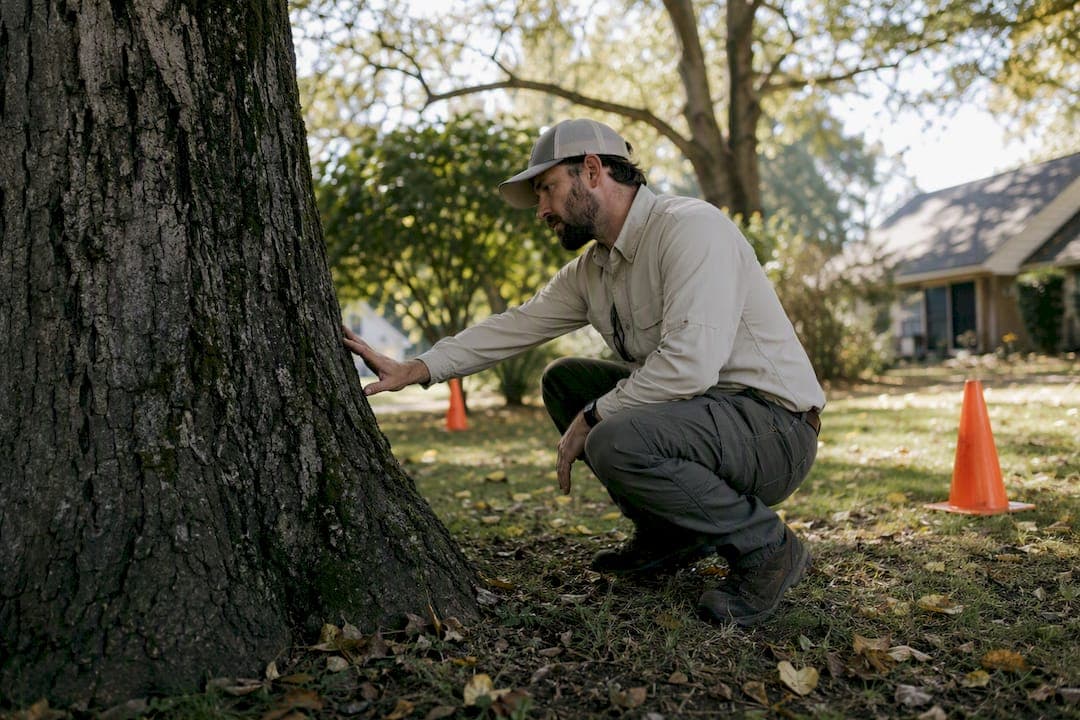
Most residential tree risk assessments in the U.S. typically cost a few hundred dollars for one to three trees, with additional trees incurring extra fees. If a tree near your house or driveway worries you, the smartest move is hiring an ISA-certified arborist or requesting a written quote that follows ISA/TRAQ methodology.
- Typical cost: a moderate range for a standard Level 2 inspection of 1–3 trees
- Immediate action: Request a written quote with a stated turnaround time before scheduling
- Why it matters: A defensible written report using ISA and TRAQ standards holds up for insurance claims and permit applications, which a quick verbal opinion won't.
Key Takeaways
A standard U.S. residential tree risk assessment costs $300 to $600 for one to three trees, and the price rises with tree count, accessibility, and the need for Level 3 diagnostics.
| Point | Details |
|---|---|
| Standard cost range | Level 2 assessments for 1–3 trees typically run $300–$600, plus $100–$150 per extra tree. |
| Match level to need | Reserve Level 3 diagnostics ($200–$500 per tree) for cases where Level 2 raises specific concerns. |
| Confirm report contents | Insist on dated photos, a written risk rating, and a signed, credentialed report before paying. |
| Ask about credit and fees | Confirm in writing whether the inspection fee applies toward booked removal or pruning work. |
| Local option | Briley Tree Service offers ISA-informed assessments across North Louisiana with permit and insurance support. |
Table of Contents
- How Much Does a Tree Risk Assessment Cost by Level?
- What Does a Professional Tree Risk Assessment Include?
- How Are Tree Assessments Priced, and What Do Sample Jobs Cost?
- Why Do Tree Assessment Quotes Vary So Much?
- What Should You Ask Before Booking a Tree Inspection?
- How Long Does a Tree Assessment Take, and What Costs Extra?
- Why ISA and TRAQ Methodology Matters for a Defensible Report
- Get a Written Tree Risk Assessment Quote in North Louisiana
- Frequently Asked Questions
- Sources
How Much Does a Tree Risk Assessment Cost by Level?
Arborists classify inspections into three tiers, and the terminology matters because it directly maps to price. Level 1 is a quick visual survey done from the ground during routine yard work, often bundled into a trim or removal quote at no separate charge. Level 2 is the standard paid assessment: a dedicated site visit, a systematic walk-around of the trunk, canopy, and root zone, and a written report with photos and a risk rating. Level 3 adds instrumented diagnostics like resistograph drilling or sonic tomography when internal decay is suspected but not visible.
Most homeowners only need Level 2 unless a certified arborist flags a specific concern, such as a hollow-sounding trunk or a lean that developed suddenly. Level 3 gets recommended selectively, and it should never be the starting point for a routine checkup.
| Scenario | Typical Cost |
|---|---|
| Level 2, 1–3 trees | moderate range |
| Level 2, 4 trees | roughly double base range |
| Each additional tree beyond base count | additional moderate fee |
| Level 3 diagnostic add-on (per tree) | added fee for advanced testing |
What Does a Professional Tree Risk Assessment Include?
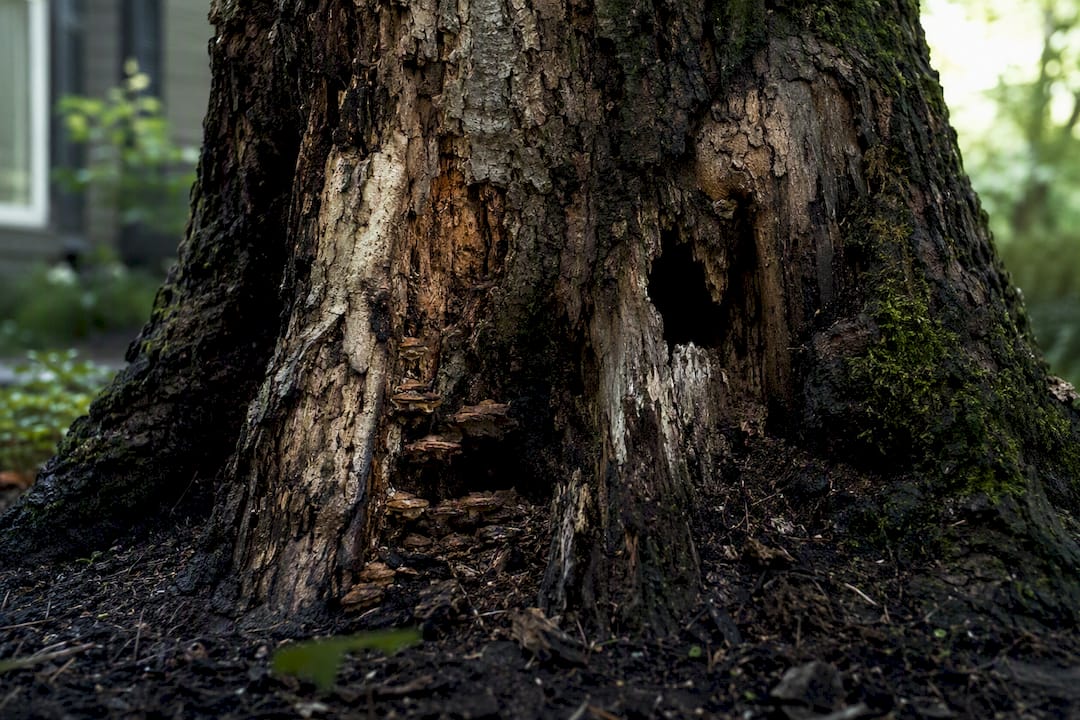
A quote that just says "inspection" tells you almost nothing. A proper Level 2 assessment includes a full walk around the tree, a check of the root flare and visible root zone, a canopy review from the ground, and an evaluation of nearby targets like your roof, fence line, or a neighbor's driveway.
The deliverable matters as much as the visit itself. Before paying, confirm the report will include:
- Dated photographs of the specific defects noted
- A standardized risk rating (not just "looks fine" or "looks bad")
- Recommended actions with a suggested timeline
- The signature and credential number of the assessing arborist
That documentation is what turns a casual opinion into paperwork your insurer or city permit office will actually accept. If a tree limb later drops on a shed, a dated, signed report showing you acted on a professional recommendation can make the difference in an insurance claim or a liability dispute with a neighbor.
How Are Tree Assessments Priced, and What Do Sample Jobs Cost?
Arborists generally price assessments three ways: a flat property fee covering a set number of trees, per-tree pricing with no bundling, or an hourly rate plus a mobilization charge for the visit. Flat-fee structures are the most common for typical residential yards, while hourly billing shows up more on large or unusual properties where scope is hard to predict upfront.
A few pricing details catch homeowners off guard:
- Rush requests, including real estate closings, commonly add a premium to the base fee
- Some companies credit the inspection fee toward the cost of removal or pruning if you book the recommended work
- A brief verbal consultation without a written report typically costs less than a formal report, but it won't hold up for insurance or permit purposes
Written reports with full documentation can run $450 to $2,500 or more for large properties or extensive tree inventories, according to pricing data from arborist service providers. That range reflects hours of fieldwork and report writing, not padding.
Why Do Tree Assessment Quotes Vary So Much?
Two arborists can look at the same yard and hand you very different numbers, and it usually comes down to a handful of variables.
- Tree size and species — a mature oak takes longer to inspect than a young maple, and some species are more prone to hidden decay
- Tree count and spacing — more trees mean more time on-site, even with per-tree discounts
- Accessibility — steep slopes, fenced-in yards, or trees close to power lines slow the process and raise cost
- Nearby targets — a tree over a house, driveway, or property line demands more scrutiny than one in an open field
- Urgency — after-storm or pre-closing requests often carry rush pricing
- Required report depth — a one-page summary costs less to produce than a permit-ready document with full photo documentation
Less obvious cost drivers include coordinating with your city for a protected or heritage tree, or meeting an HOA's specific documentation format. Both add administrative time that shows up on the invoice.
Pro Tip: Photograph anything that concerns you, like cracked bark, mushrooms at the base, or a new lean, before your arborist arrives. It speeds up the visit and gives the assessor a timeline to reference in the report.
What Should You Ask Before Booking a Tree Inspection?
Comparing quotes only works if you're comparing the same scope of work. Before hiring anyone, run through this checklist:
- Is the assessor an ISA-certified arborist, and can they provide a certification number?
- Do they use ISA/TRAQ methodology, or is this a basic visual opinion?
- What exactly is included in the report, photos, written risk rating, recommended timeline?
- What is the turnaround time from site visit to final report?
- Are there additional fees for travel, rush service, or Level 3 testing?
- If you book removal or pruning afterward, is the inspection fee credited toward that work?
Also verify insurance and licensing, and ask for references from recent residential clients. A quick look at a company's Better Business Bureau profile can surface complaint patterns before you commit.
Watch for red flags: a "free inspection" that immediately pushes removal with no written documentation, vague verbal-only findings, or a company that both inspects the tree and profits from selling you the removal job with no independent report. Independent consulting arborists reduce that conflict of interest, which matters most when you need the report to hold up with an insurer or city inspector.
How Long Does a Tree Assessment Take, and What Costs Extra?
Standard Level 2 assessments typically take a few business days from the site visit to a finished report, though rush requests for real estate closings or permit deadlines often move faster for an added fee.
Common add-ons beyond the base fee:
- Level 3 diagnostics (resistograph or sonic tomography): $200–$500 per tree
- Aerial or climbing inspections for tall or hard-to-view canopies: priced by time on-site
- Emergency or after-hours mobilization: premium pricing over standard rates
- Permit coordination or municipal paperwork support: added administrative fee
Multi-tree properties sometimes qualify for volume pricing once you're past the first handful of trees included in a flat fee.
Why ISA and TRAQ Methodology Matters for a Defensible Report
ISA (International Society of Arboriculture) developed the TRAQ framework specifically to standardize how arborists rate the likelihood of tree failure against the consequences if it happens, turning a subjective glance into a repeatable, documented process. That structure is what separates a professional assessment from a guess.
A formal tree risk assessment is more than a visual walk-around. Following ISA methodology produces a defensible written record that supports insurance claims and liability protection, according to ISA-certified arborist Michael Schuck.
When you receive a report, confirm it includes:
- The assessor's name and ISA certification number
- Dated, timestamped photographs
- A standardized risk rating, not a subjective description
- A recommended action and timeline, signed by the credentialed arborist
Level 3 testing earns its added cost when a Level 2 visual inspection turns up ambiguous signs, like a trunk that sounds hollow, since instrumented data gives the report more weight if it's ever challenged.
A local perspective on tree risk assessment pricing
Briley Tree Service performs ISA-informed assessments across North Louisiana and helps clients navigate permit and insurance paperwork. One habit pays off every time: photograph the defect that worries you and request a written report, not just a verbal opinion.
Get a Written Tree Risk Assessment Quote in North Louisiana
Briley Tree Service is the local alternative to a one-size-fits-all national chain quote for tree risk assessment in Shreveport, Bossier City, and Ruston. You get an on-site visit from a licensed and insured arborist team, a written report with photos and a risk rating, and direct help navigating permit and insurance paperwork, without guessing whether your documentation will actually hold up.
Our team also supports the follow-through: if your assessment leads to recommended pruning, removal, or land clearing, the inspection fee is often credited toward that booked work when applicable. Reach out today through our free estimate request and ask for a written, ISA-informed quote with a stated turnaround time. We'll tell you exactly what's included before you commit to anything.
Frequently Asked Questions
How much does a tree risk assessment cost on average? Most homeowners pay a moderate amount for a standard Level 2 assessment covering one to three trees, with additional fees per extra tree.
Is a tree risk assessment worth the cost? Yes, when you need documentation for insurance, permits, or a real estate transaction. A written, ISA-based report holds up in ways a free verbal opinion doesn't.
Does homeowners insurance cover the cost of a tree risk assessment? Insurance typically doesn't pay for a preventive assessment, but a documented report can support a future claim if that tree later causes damage, and some insurers request one after a storm or complaint.
Is a virtual tree inspection cheaper than an in-person visit? Remote reviews of submitted photos generally cost less, but they can't verify root health or hidden decay, so most arborists recommend them only for low-stakes, preliminary checks.
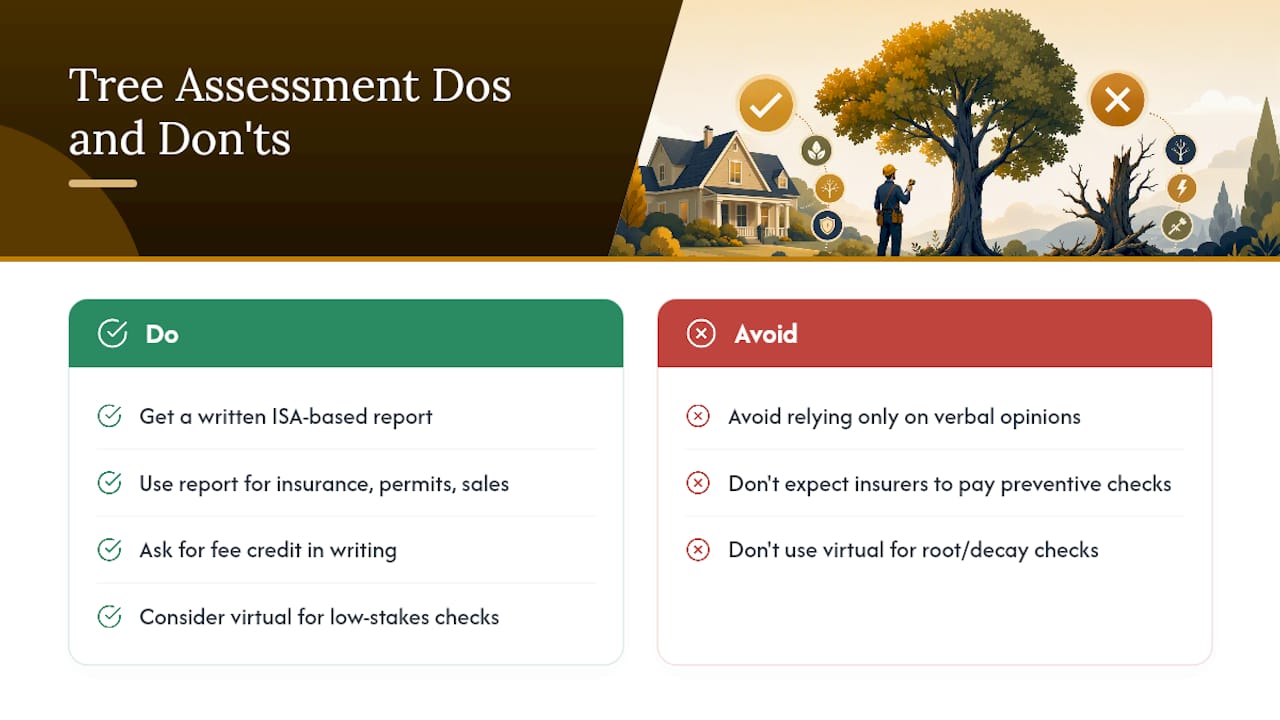
Will the inspection fee count toward tree removal or trimming costs? Many companies credit part or all of the inspection fee toward booked work, but always get that arrangement in writing before scheduling the assessment.
Sources
- Tree Risk Assessment: When You Need One & What It Costs (2026)
- How Much Does an Arborist Cost? Inspection & Report Pricing