
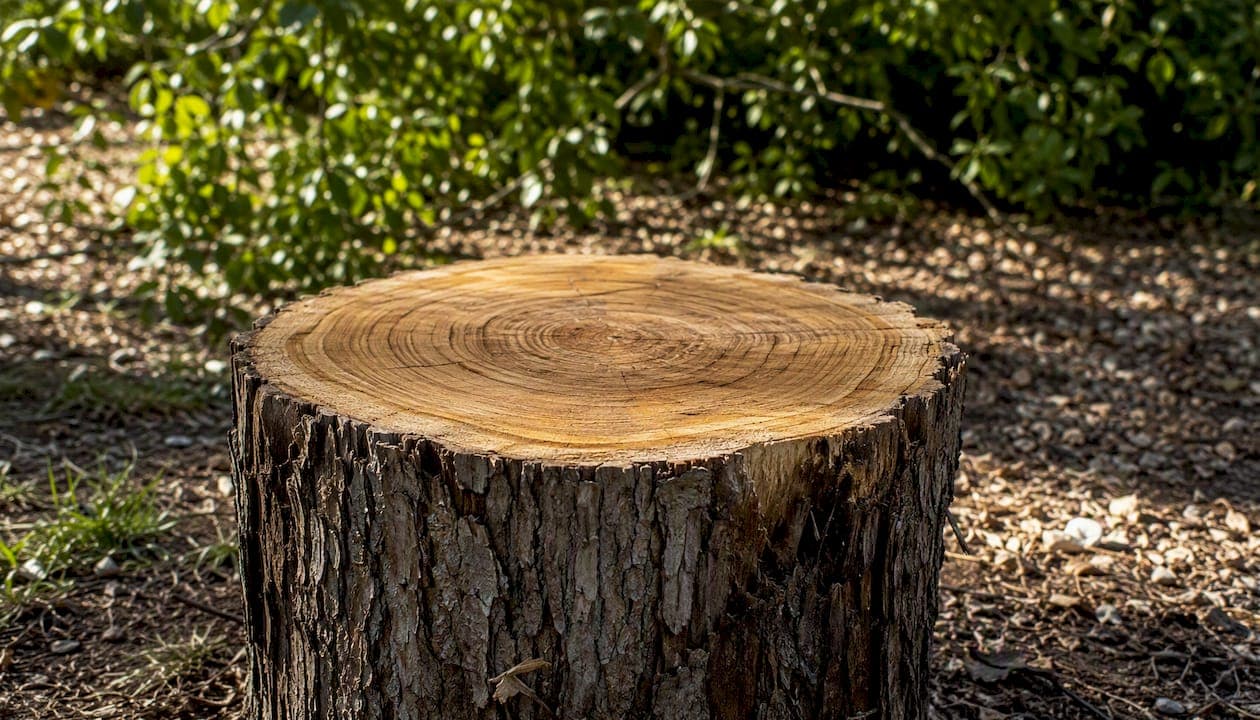
A tree is a long-lived, woody plant that stores carbon, supports ecosystems, and shapes the landscape around your home. Understanding trees, from basic biology to seasonal care, helps you make smarter decisions about planting, maintenance, and when to call a licensed arborist.
- Biology and climate: Trees absorb carbon dioxide through photosynthesis and lock carbon in wood and soil, making them one of the planet's most effective carbon sinks (Natural History Museum).
- Main types: Trees fall into two broad categories: deciduous (seasonal leaf drop) and coniferous (usually needle-bearing and evergreen), each with distinct care needs.
- Homeowner action: Whether you're planting a new tree, maintaining an existing one, or dealing with storm damage, the right knowledge, or the right professional, makes all the difference. Brileytreeservice serves homeowners across Shreveport and Northwest Louisiana for exactly these situations.
Key Takeaways
Trees are long-lived, woody plants that store carbon, support ecosystems, and require informed care to thrive safely on your property.
| Point | Details |
|---|---|
| Trees as carbon sinks | Trees absorb CO₂ and lock carbon in wood and soil, making them active climate regulators. |
| Right tree, right place | Match species to your USDA hardiness zone, soil, and site before planting to prevent future conflicts. |
| Pruning is time-sensitive | Improper cuts or wrong-season pruning increases stress and disease risk; late dormancy is the safest window for major work. |
| Watch for early warning signs | Leaf scorch, premature drop, dieback, and fungal growth at the base all signal a tree that needs attention. |
| Brileytreeservice | Licensed and insured arborist team serving Shreveport and North Louisiana for removal, trimming, stump grinding, and emergency storm cleanup. |
Table of Contents
- What are trees, and how do they grow?
- How are trees classified, and which types should you know?
- Why do trees matter to ecosystems and people?
- How do you choose and plant the right tree?
- What does proper tree maintenance actually involve?
- How do you spot a sick or hazardous tree?
- When should you call a professional arborist?
- What should you do each season?
- A practical perspective on tree care
- Briley Tree Service is ready to help with your trees
- Sources
What are trees, and how do they grow?
Technically, there is no single scientific definition of "tree." The tree growth form evolved independently across unrelated plant groups, which is why general guides sometimes include palms, tree ferns, and large bamboos alongside oaks and pines. What most trees share: a perennial, woody habit, a dominant single stem, and the capacity to grow for decades or centuries.
Growth happens through the cambium, a thin living layer just beneath the bark. The cambium produces new wood inward and new bark outward each growing season, creating the visible annual rings used in dendrochronology. Those rings record environmental conditions like drought, fire, and cold snaps, giving scientists a detailed climate record locked inside the trunk.
Leaves produce sugars through photosynthesis. Those sugars travel under the bark to the roots for winter storage, then reverse direction in spring to fuel new growth. This seasonal energy transport is why late-season heavy pruning or root damage can weaken a tree: you're disrupting the system right when reserves are moving.
A healthy tree has five key zones: the root system (anchoring and water uptake), the root flare where trunk meets soil, the trunk with its cambium layer, the crown of branches, and the leaves or needles where photosynthesis happens. The Great Basin bristlecone pine, one of the longest-lived organisms on Earth, can exceed 5,000 years, a testament to how durable this growth form can be.
How are trees classified, and which types should you know?
The most practical classification for homeowners is deciduous vs. coniferous. Deciduous trees drop their leaves seasonally, while coniferous trees typically keep their needles year-round. That difference shapes everything from fall cleanup to winter shade patterns.
Common deciduous trees in U.S. landscapes:
- Shade trees: Red maple, white oak, American elm
- Flowering/ornamental: Dogwood, redbud, cherry
- Street/utility-tolerant: Honey locust, ginkgo, zelkova
- Native options: Bald cypress (Southeast), bigtooth aspen (North), live oak (Gulf Coast)
Common coniferous trees:
- Evergreen screens and windbreaks: Eastern white pine, Leyland cypress, arborvitae
- Native conifers: Longleaf pine (Southeast), Douglas fir (Pacific Northwest), blue spruce (Rockies)
Deciduous trees need structural pruning in late dormancy and leaf cleanup in fall. Conifers generally need less pruning but benefit from dead-branch removal and pest monitoring. The Arbor Day Foundation and USDA hardiness zone maps are the two most reliable references for matching species to your region.
Why do trees matter to ecosystems and people?
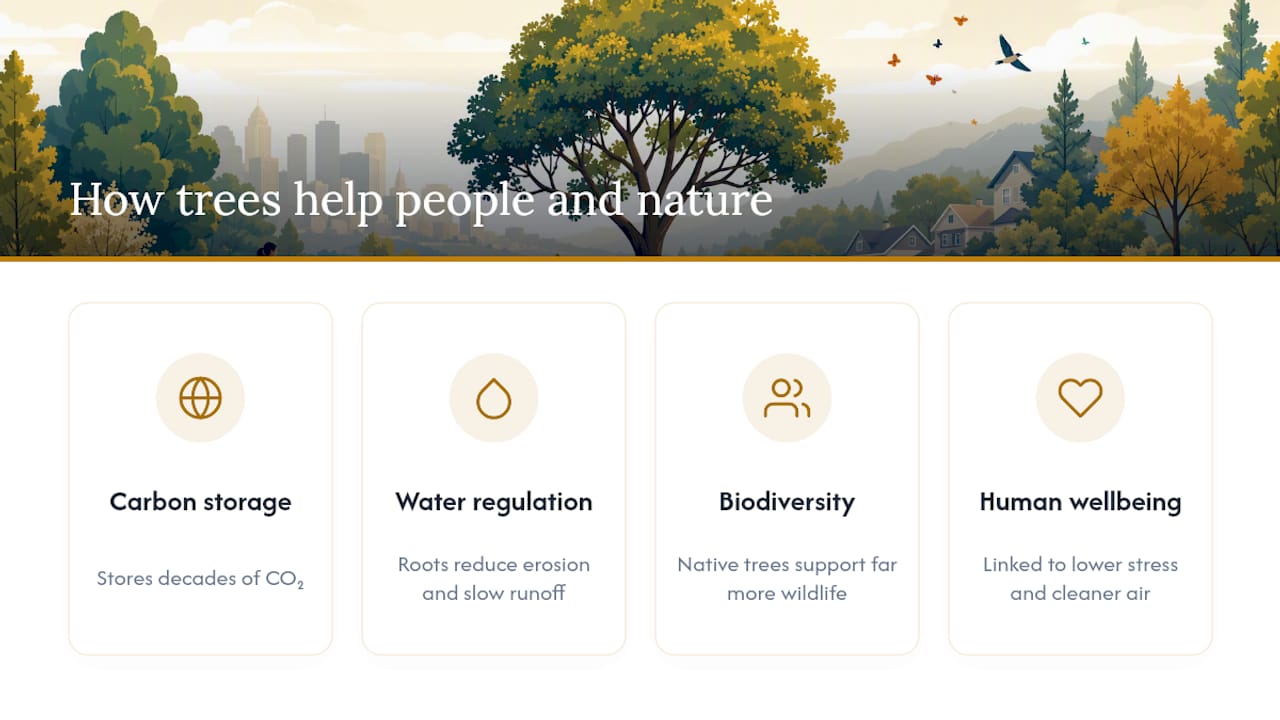
Trees regulate climate, support biodiversity, and provide direct benefits to the people who live near them. Globally, there are an estimated more than three trillion trees, and forests cover roughly 30% of Earth's land surface. That scale matters because trees are doing continuous, measurable work.
Carbon storage: Trees absorb CO₂ during photosynthesis and lock carbon in trunks, branches, roots, and surrounding soil. Removing a mature tree eliminates decades of stored carbon in one cut.
Beyond carbon, trees reduce erosion by holding soil with their root systems, regulate water by slowing runoff, and cool urban areas by shading pavement and releasing moisture. A single mature shade tree can lower nearby surface temperatures noticeably on a hot summer day.
Wildlife depends on trees at every level. Birds nest in the canopy, insects feed on bark and leaves, and mammals shelter in cavities. The National Wildlife Federation documents how native trees support far more wildlife species than non-native ornamentals, which is a practical reason to favor native species when planting.
Human wellbeing benefits are also well-documented: access to tree canopy is linked to lower stress, reduced urban heat exposure, and improved air quality from particulate filtration.
How do you choose and plant the right tree?
The Arbor Day Foundation's "right tree, right place" principle is the single most effective preventive strategy for reducing future conflicts, disease, and infrastructure damage. A tree planted in the wrong soil, wrong light, or wrong hardiness zone will struggle from day one.
Planting steps for homeowners:
- Check your USDA hardiness zone using the USDA Plant Hardiness Zone Map and confirm the species you want is rated for your zone.
- Assess the site: measure mature height and spread, then check for overhead utilities, underground lines, and proximity to foundations. Most utilities recommend planting large trees at least 20 feet from power lines.
- Dig the right hole: wide and shallow, not deep and narrow. The root flare should sit at or slightly above grade.
- Set the tree correctly: remove burlap and wire baskets before backfilling; never bury the root flare.
- Mulch, don't volcano: apply a 2–4 inch mulch ring extending to the drip line, keeping mulch away from the trunk.
- Water consistently: newly planted trees need deep watering two to three times per week for the first growing season.
Pro Tip: Your local cooperative extension service (find yours through the USDA Extension Service locator) offers free, region-specific species recommendations and soil testing guidance. This is more reliable than generic planting charts.
What does proper tree maintenance actually involve?
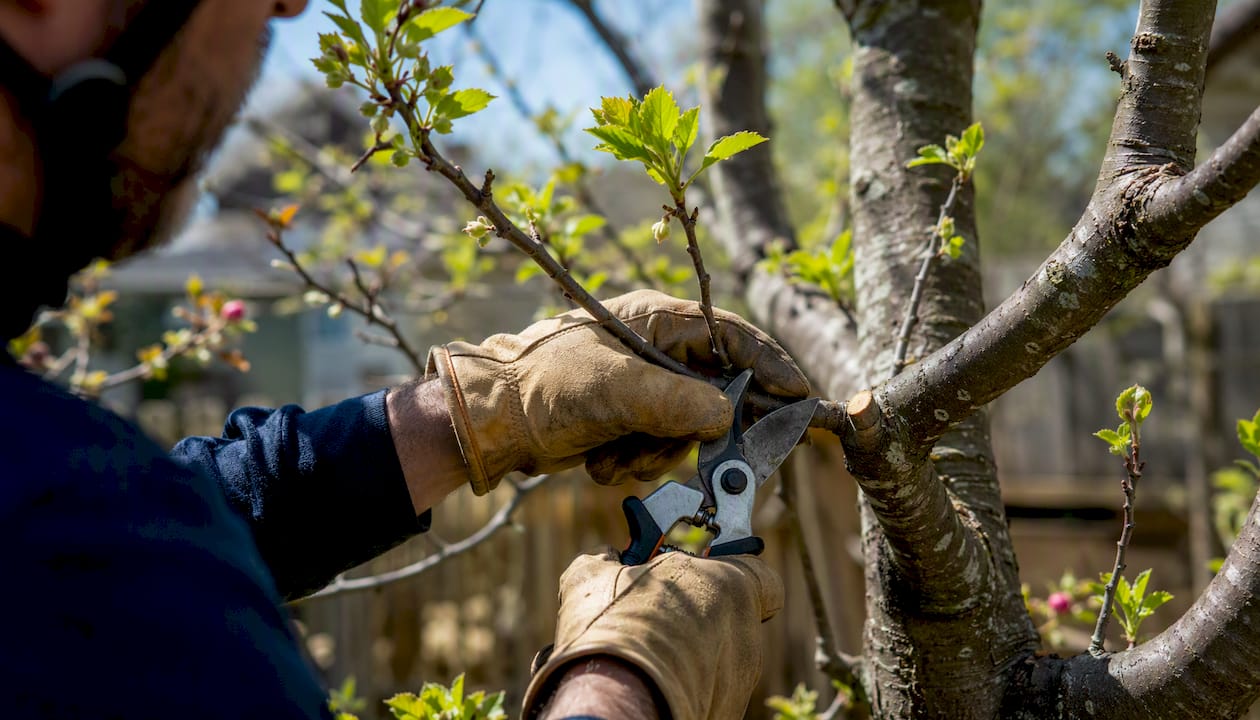
Correct pruning timing and technique protect tree health. Improper cuts, or cuts made at the wrong time, increase stress and open pathways for disease and pests, according to Arbor Day Foundation guidance.
| Season | Recommended Actions |
|---|---|
| Late winter (dormant) | Structural pruning, major branch removal, deadwood removal |
| Spring (active growth) | Light shaping only; avoid heavy cuts during leaf-out |
| Summer | Monitor for pests and disease; water deeply during dry spells |
| Fall | Avoid major pruning; prepare for storm season; mulch root zones |
| Year-round | Remove dead, diseased, or hazardous branches as needed |
Watering and mulching are as important as pruning. Established trees in normal rainfall rarely need supplemental water, but during drought, deep, infrequent watering at the drip line beats frequent shallow watering every time. Fertilization is only warranted when a soil test shows a deficiency; over-fertilizing promotes fast, weak growth.
Common pruning mistakes to avoid: flush cuts that remove the branch collar, topping (removing the central leader), and leaving long stubs that decay inward. Each of these creates wounds that trees struggle to close. For safe technique on backyard trees, the Briley Tree Service pruning guide covers the basics clearly.
How do you spot a sick or hazardous tree?
Early warning signs include leaf scorch, premature leaf drop, dieback in the upper crown, fungal fruiting bodies at the base, large cracks or splits in the trunk, and dry, compacted soil around the root zone. The Arbor Day Foundation notes that summer scorch and early leaf drop are often the first visible indicators of heat or drought stress.
Red flags to check regularly:
- Leaves yellowing, browning, or dropping outside of normal fall timing
- Dead branches concentrated in the upper crown (called "dieback")
- Mushrooms, conks, or shelf fungi at the base or on the trunk
- Visible cracks, splits, or cavities in the main trunk
- Leaning that has developed or worsened recently
- Soil heaving or lifting near the base (root failure)
- Unusual insect activity: exit holes, sawdust-like frass, or bark peeling
Immediate safety steps if you spot serious hazards:
- Keep people and vehicles away from the tree's fall zone
- Do not attempt to climb or cut a leaning or cracked tree yourself
- Call a licensed arborist for a risk assessment before any other action
- For a tree near a structure or power line, treat it as an emergency
Common pests in the U.S. include emerald ash borer, spotted lanternfly, and pine bark beetles. Prevention starts with healthy trees: proper watering, mulching, and avoiding unnecessary wounds. For removal decisions, the Shreveport homeowner's removal guide outlines the specific red flags that indicate a tree needs to come down.
When should you call a professional arborist?
Call a licensed arborist for any hazardous tree, major structural pruning, removal, or emergency storm cleanup. These are not DIY tasks. A certified arborist carries the training, equipment, and insurance to do the work safely and legally.
Professional tree services typically include risk assessment and written reports, full tree removal with stump grinding, crown reduction and structural pruning, emergency storm response (including 24/7 availability), and permit support for protected or regulated trees. Before hiring anyone, ask for proof of licensing and liability insurance, a written scope of work, cleanup details, permit experience if relevant, and an itemized estimate.
Brileytreeservice operates with a licensed and insured arborist team serving Shreveport, Bossier City, Ruston, and surrounding North Louisiana areas. The team handles everything from routine trimming to emergency storm cleanup, with permit and insurance claim support included. [] []
What should you do each season?
Seasonal timing drives most tree care decisions. Doing the right task at the right time prevents problems; doing it at the wrong time can create them.
Spring:
- Inspect for winter damage and dead branches
- Schedule structural pruning before full leaf-out
- Check mulch depth and refresh if needed
- Watch for early pest activity on new growth
Summer:
- Water deeply during dry spells, focusing on the drip line
- Monitor for leaf scorch, wilting, or unusual insect activity
- Avoid heavy pruning during peak heat
Fall:
- Hold off on major pruning (trees are moving energy to roots)
- Clear debris from around the base to reduce disease pressure
- Inspect for structural issues before winter storms
Winter:
- Late dormancy is the best window for structural pruning
- Check for cracks or splits after freeze-thaw cycles
- Plan any removal or major work before spring growth begins
Pro Tip: During drought, prioritize your largest and oldest trees first. They take the longest to replace and are the hardest to recover once severely stressed. Deep watering every 7–10 days at the drip line is more effective than daily surface watering.
For a full season-by-season breakdown, the homeowner seasonal checklist covers local timing for North Louisiana climates.
A practical perspective on tree care
Trees reward consistent, informed attention. The biggest mistakes homeowners make are not planting the wrong species or skipping a watering, but waiting too long to act when something looks wrong, and underestimating how much a hazardous tree can cost in property damage or liability. A professional assessment is almost always cheaper than the alternative.
Local experience matters here. Trees in Northwest Louisiana face specific pressures: summer heat and drought stress, ice storm damage in winter, and aggressive pests like the emerald ash borer moving through the region. Generic advice from national guides is a starting point, not a substitute for someone who knows the local conditions.
The "right tree, right place" principle sounds simple, but it's the most consequential decision you'll make. A well-sited, well-maintained tree adds value, shade, and habitat for decades. A poorly sited one becomes a liability. If you're unsure about a tree on your property, a licensed arborist's assessment is the most practical next step you can take.
Briley Tree Service is ready to help with your trees
When a tree on your property needs professional attention, Brileytreeservice provides the licensed, insured expertise to handle it safely. The team serves Shreveport, Bossier City, Ruston, and surrounding North Louisiana areas with a full range of tree care services.
Brileytreeservice handles tree removal, trimming and pruning, stump grinding, land clearing, forestry mulching, and 24/7 emergency storm cleanup for residential and commercial properties. Every job includes cleanup, and the team supports permit applications and insurance claims when needed. If you have a hazardous tree, storm damage, or overgrown branches, contact Brileytreeservice for a free estimate.
Sources
The sources below are the primary references used in this article. Each links directly to the original resource for verification and deeper reading.
- How trees changed the world | Natural History Museum
- A Guide to Trees
- Tree Guide | Arbor Day Foundation
- Tree