
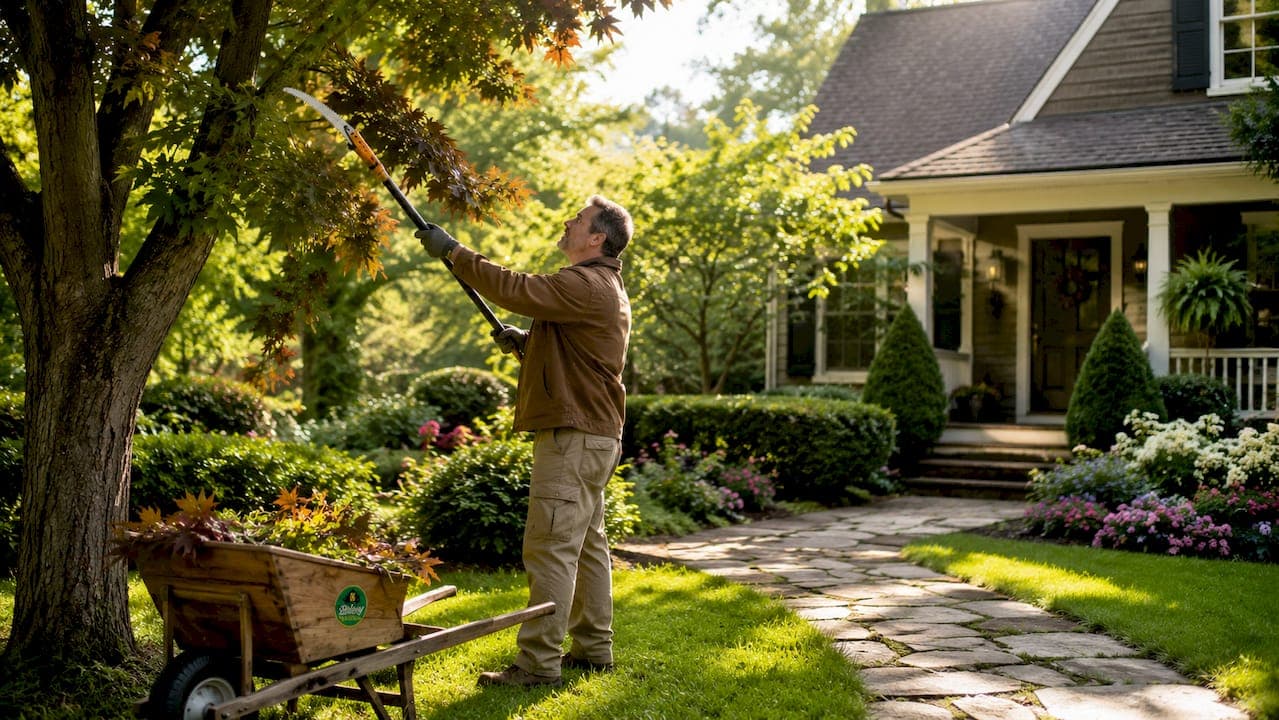
Tree trimming is the process of selectively removing branches to increase sunlight penetration and improve plant growth beneath trees. A thick, unmanaged canopy acts like a roof over your yard, blocking the light that grass, flowers, and vegetable patches need to thrive. The industry terms for this work are crown lifting, crown thinning, and crown reduction. Each technique targets a different part of the canopy to let more light through. Understanding how tree trimming improves sunlight gives you a clear path to a healthier, more productive yard without removing trees you want to keep.
What are the main tree trimming techniques that enhance sunlight?
Three core techniques control how much light reaches the ground beneath a tree. Each one works differently, and choosing the right one depends on your tree's size, shape, and where the shade problem is worst.
Crown lifting
Crown lifting removes the lower branches of a tree to raise the base of the canopy. Raising canopy clearance from 1 meter to 2.5 meters above ground roughly doubles the sunlight reaching the ground beneath. That makes it the most direct fix when shade is blocking a lawn, patio, or garden bed at ground level. The technique works best on trees with a clear central trunk, like oaks and maples.
Crown thinning
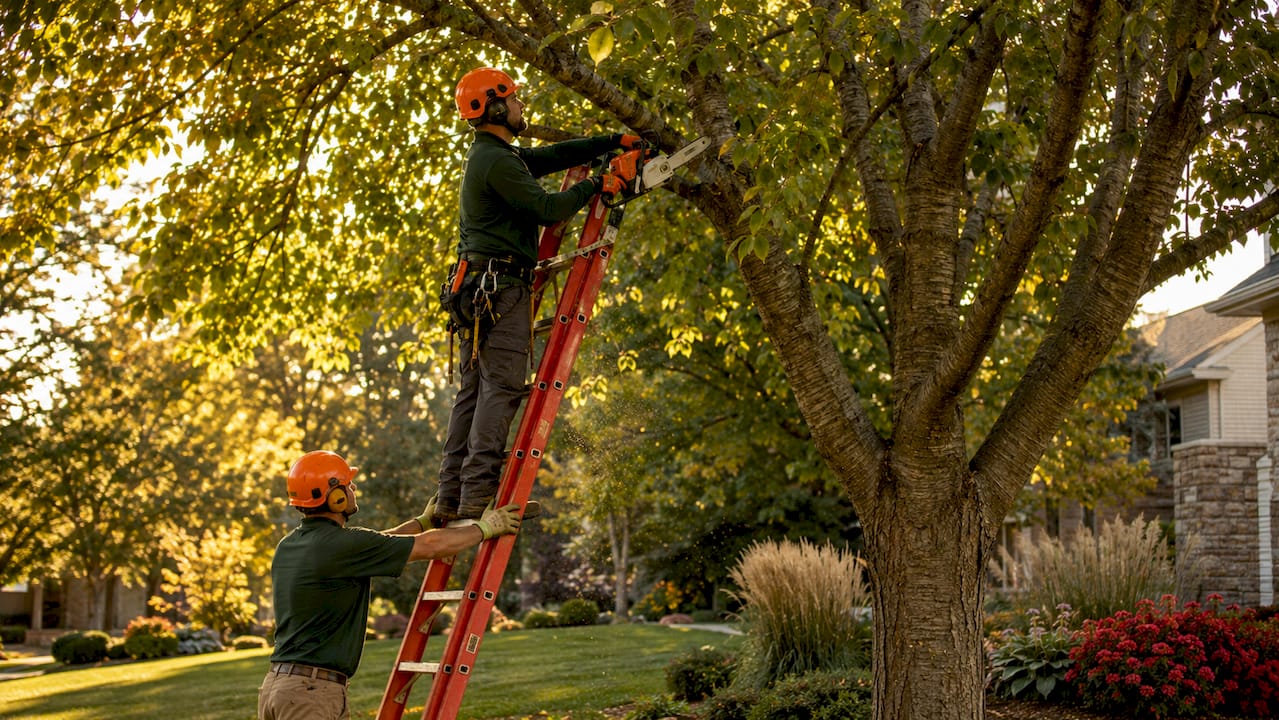
Crown thinning removes selected branches from inside the canopy without changing the tree's overall shape or height. Removing 10–25% of internal branches improves sunlight penetration while keeping the canopy intact. The goal is to achieve 30–50% sky visibility through the canopy, which creates dappled light. Dappled light suits shade-tolerant plants and keeps the tree looking full while still letting more sun through.
Crown reduction
Crown reduction cuts back the outer edges of the canopy to reduce its overall size. This is the right choice when a tree has grown too large for its space and is shading a wide area. It is a more significant intervention than thinning and should be used only when lifting and thinning are not enough. Done correctly, it preserves the tree's natural shape.
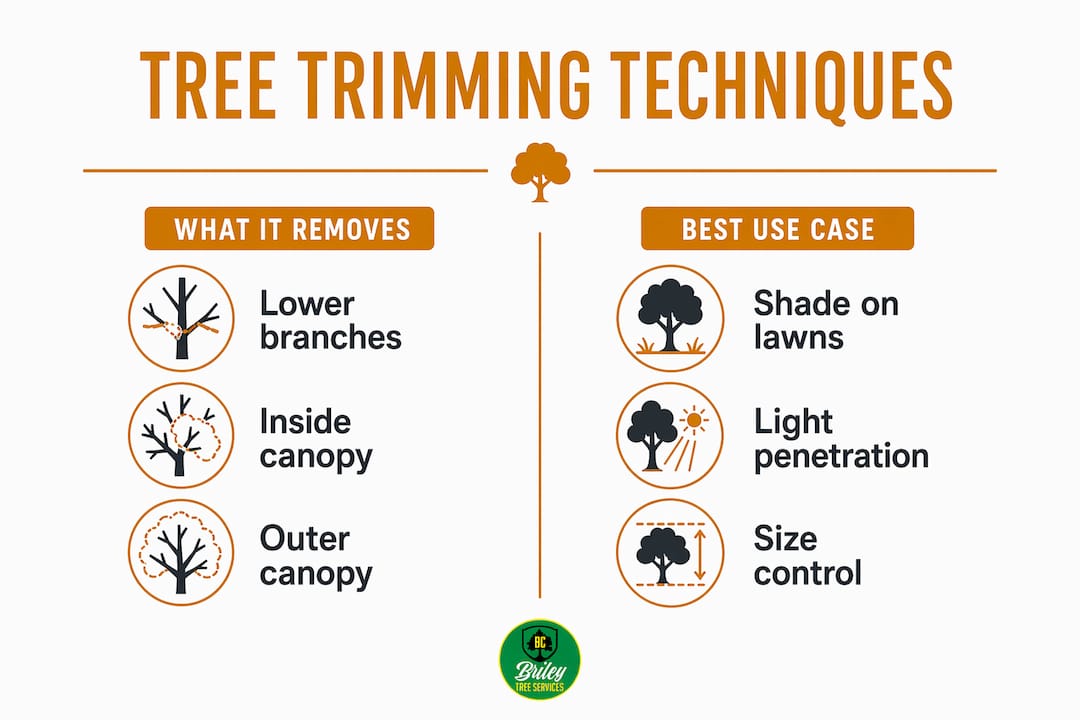
The table below compares all three techniques at a glance.
| Technique | What it removes | Best use case |
|---|---|---|
| Crown lifting | Lower branches | Shade on lawns, patios, and paths |
| Crown thinning | Internal branches (10–25%) | Dappled light for gardens and understory plants |
| Crown reduction | Outer canopy edges | Oversized trees blocking wide areas |
Two practices to avoid entirely are topping and lion-tailing. Topping cuts the main trunk or large branches indiscriminately, leaving stubs that rot and invite disease. Lion-tailing strips all interior branches and leaves foliage only at the tips, which weakens the tree's structure and makes it prone to wind damage.
Pro Tip: If your tree needs significant thinning, spread the work over two or three seasons rather than doing it all at once. This keeps the tree stable and reduces stress.
How does increased sunlight from trimming affect lawn and garden health?
More sunlight reaching the ground changes the entire growing environment beneath a tree. The effects show up quickly in grass, soil, and garden beds.
Grass and turf respond directly to better light. Photosynthesis drives grass growth, and more direct sun means thicker, greener turf. Shaded grass grows thin and pale because it cannot produce enough energy to fill in bare patches. After crown thinning or lifting, grass in previously shaded areas typically fills in within a single growing season.
Moss and fungal disease are common in shaded, damp spots under dense canopies. Better air circulation and sunlight after thinning reduce fungal diseases and moss growth within weeks. The canopy no longer traps moisture at ground level, so the soil dries faster after rain. That drier surface is far less hospitable to moss and lawn fungus.
The "green shell, brown core" effect is a clear sign that a canopy is too dense. The outer leaves get full sun and stay healthy, but the interior foliage and ground beneath turn brown from lack of light. Crown thinning reverses this effect by letting light reach the interior of the canopy and the ground below. Once light penetrates, interior branches regain vigor and ground-level plants recover.
Vegetable patches and flower beds benefit most from morning sun. East-facing garden beds under a dense canopy often get no direct sun until midday, which is too late for many vegetables. Targeted thinning on the east side of a canopy can add two to three hours of morning light to a vegetable patch. That extra light improves yield and reduces the risk of fungal problems on crops like tomatoes and squash.
- Grass thickens and greens up as photosynthesis increases
- Moss retreats as soil dries faster after rain
- Fungal lawn diseases decline with better airflow
- Vegetable yields improve with more morning sun
- Flowers bloom more reliably with consistent direct light
What best practices ensure tree trimming maximizes sunlight while preserving tree health?
Getting the light benefits without harming the tree comes down to three things: how much you remove, when you do it, and how you spread the work over time.
-
Follow the 10–30% rule. Removing more than 30% of live canopy in a single session stresses the tree and opens it up to pest and disease attack. Stay within that range and the tree recovers quickly. Exceeding it triggers weak, fast-growing regrowth that is structurally unstable.
-
Time pruning for winter dormancy. Most deciduous trees should be pruned during winter dormancy when they are not actively growing. Winter cuts heal faster and expose the tree to fewer pathogens. The exception is species in the Prunus family, including cherries and plums, which should wait until after august to avoid silver leaf disease.
-
Prefer light annual maintenance over severe, infrequent cuts. Frequent light trimming benefits tree health more than harsh, rare pruning. Annual maintenance keeps the canopy open without the stress spikes that come from cutting back years of growth all at once.
-
Check local tree protection rules before you start. Some trees carry Tree Preservation Orders or sit within protected zones. Unauthorized cuts can result in significant fines. Contact your local authority or a certified arborist to confirm what is permitted before any work begins.
-
Avoid lion-tailing at all costs. Stripping interior branches concentrates all the foliage at branch tips. That shifts the tree's weight to the ends of its limbs, making it far more likely to lose branches in a storm.
Pro Tip: If a tree needs heavy work, plan to remove no more than 15–20% this season and schedule follow-up trimming for the next one or two years. The tree stays healthy and you still get the light improvement you need.
Understanding how often to trim is just as important as knowing the right technique. Most mature trees benefit from a professional assessment every one to three years.
How can homeowners apply trimming to increase sunlight strategically?
Targeted trimming produces better results than general pruning. The goal is to create light channels, specific paths through the canopy that direct sunlight toward the areas where you need it most.
- Map your shade patterns first. Walk your yard at different times of day and note where shade falls in the morning, midday, and afternoon. This tells you which part of the canopy to target.
- Identify your priority areas. A vegetable garden needs morning sun. A lawn needs midday sun. A patio benefits from afternoon shade with some filtered light. Each goal points to a different part of the canopy.
- Use crown lifting for ground-level clearance. Raising the canopy base to 2.5 meters opens up the entire area beneath the tree for grass, paths, and seating areas.
- Use thinning to create dappled light channels toward specific targets. Focusing 60–70% of thinning on the upper and outer canopy lets light filter through without removing the screening effect the tree provides.
- Hire a certified arborist for large trees. Working at height with power tools on mature trees carries real risk. A professional has the equipment and training to do the job safely and correctly. Brileytreeservice serves homeowners and property managers across Shreveport, Bossier City, and Northwest Louisiana with exactly this kind of targeted canopy work.
For property managers overseeing multiple trees, commercial tree maintenance practices apply the same principles at scale, with scheduled assessments and documented trimming records for each tree on the property.
Key takeaways
Strategic tree trimming opens the canopy to deliver more sunlight to lawns, garden beds, and patios without removing trees that provide structure and privacy.
| Point | Details |
|---|---|
| Crown lifting doubles ground-level light | Raising the canopy base to 2.5 meters roughly doubles sunlight reaching the ground. |
| Thinning targets 10–25% of branches | Selective removal improves light penetration while keeping the canopy's shape intact. |
| Stay within the 10–30% removal limit | Removing more than 30% in one session stresses the tree and invites pest damage. |
| Time cuts for winter dormancy | Most deciduous trees heal faster and face fewer pathogens when pruned in winter. |
| Light annual trimming beats severe cuts | Frequent, moderate pruning keeps trees healthy and canopies open year after year. |
What most homeowners get wrong about shade and tree trimming
Most homeowners I talk to assume the only fix for a shaded yard is removing the tree entirely. That is almost never true. Targeted, selective pruning usually solves the shade problem while keeping the tree in place. Removal costs more, takes away privacy and wind protection, and leaves a stump to deal with. A well-executed crown thinning job often costs a fraction of removal and delivers the light improvement within the same season.
The other mistake I see regularly is treating pruning as a one-time fix. Trees grow back. A canopy that was thinned three years ago can close right back up if it is not maintained. The homeowners who get the best long-term results treat trimming as preventive property care, not a reaction to a problem. They schedule a professional assessment every year or two and make small adjustments before the canopy gets dense again.
Pruning is also genuinely good for the tree. The University of Georgia notes that pruning stimulates healthy regrowth proportional to the cut. Done right, it invigorates the tree rather than weakening it. The trees I see in the best condition are the ones that get consistent, moderate attention, not the ones left alone for a decade and then cut back hard.
The balance between sunlight and shade is worth thinking about carefully. Full sun is not always the goal. Dappled light from a well-thinned canopy is often better for a mixed garden than direct midday sun. The technique you choose should match what you are trying to grow, not just how much light you want.
— Tatum
Professional tree trimming services from Brileytreeservice
Brileytreeservice specializes in crown lifting, crown thinning, and targeted canopy work for residential and commercial properties across Shreveport, Bossier City, and Northwest Louisiana.
Every job starts with an assessment of your canopy and your goals. The team identifies which technique delivers the light improvement you need while keeping your trees healthy and structurally sound. Brileytreeservice shows up on time, uses proper equipment for safe work at height, and cleans up completely after every job. Whether you need a single tree thinned or a full property assessment, the process is straightforward. Visit Brileytreeservice to request a free estimate and get a clear plan for improving sunlight in your yard.
FAQ
How does tree trimming improve sunlight in a yard?
Tree trimming removes branches from the canopy to let more light reach the ground. Techniques like crown lifting and thinning are the most effective methods for increasing sunlight without removing the tree.
How much of a tree can I trim without harming it?
Remove no more than 10–30% of live canopy in a single session. Exceeding that limit stresses the tree and makes it vulnerable to pests and disease.
When is the best time to trim trees for sunlight?
Most deciduous trees should be trimmed during winter dormancy. Species in the Prunus family, including cherries and plums, are the main exception and should be pruned after august to reduce disease risk.
What is the difference between crown lifting and crown thinning?
Crown lifting removes lower branches to raise the canopy base, which opens up ground-level light. Crown thinning removes internal branches to increase light penetration through the canopy without changing its height or overall shape.
Can tree trimming help a lawn that won't grow under a tree?
Yes. Poor grass growth under trees is usually caused by insufficient light and moisture competition. Crown lifting or thinning increases sunlight and airflow, which allows grass to photosynthesize properly and fill in bare patches.