
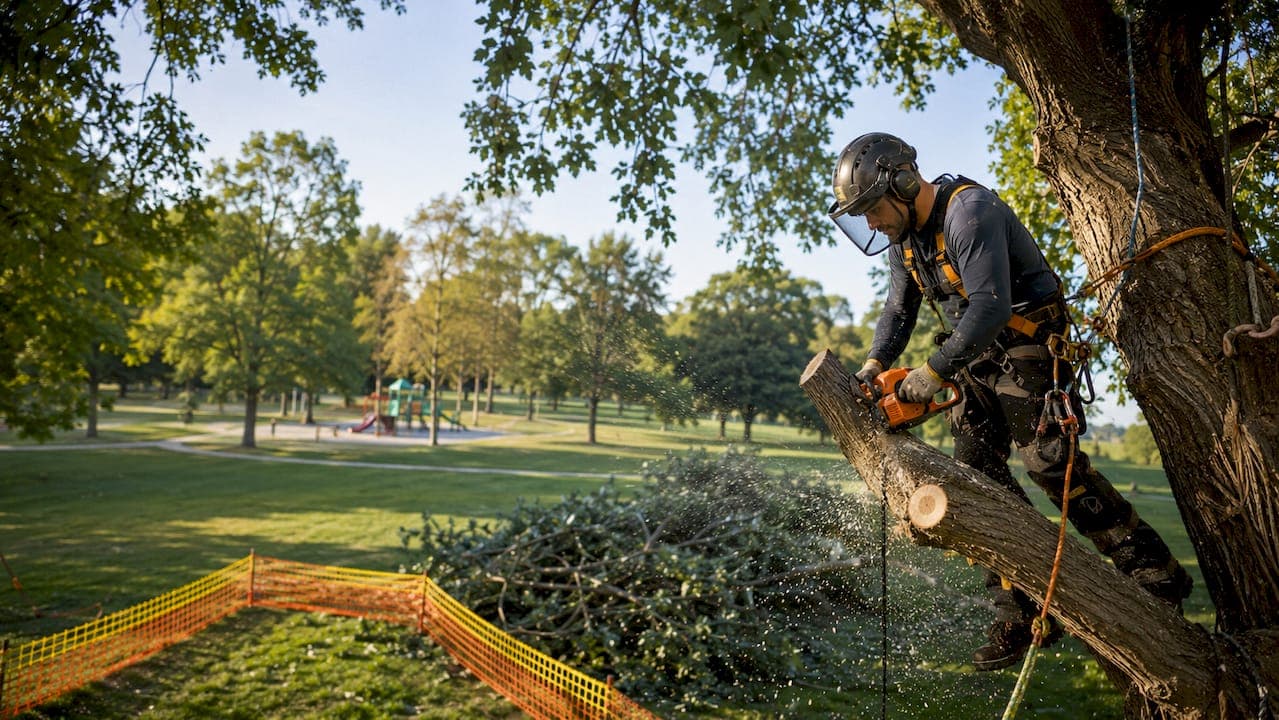
Tree trimming is the most direct method homeowners and property managers can use to reduce liability exposure from falling limbs, property damage, and personal injury claims. In legal and insurance terms, this practice falls under what courts call "reasonable care," the standard by which a property owner's conduct is judged when a tree causes harm. Neglecting your trees is not a passive act. Courts and insurers treat it as a decision with financial consequences. Brileytreeservice works with homeowners and property managers across Shreveport and Northwest Louisiana to establish documented, professional tree care programs that hold up under legal and insurance scrutiny.
How tree trimming reduces liability exposure on your property
Liability exposure from trees is defined as the legal and financial risk a property owner faces when a tree on their land causes injury or damage. The standard for determining fault is straightforward: did the owner know, or should they have known, about the hazard? Negligence claims can result in five-figure financial exposure, including debris removal and legal fees. That number reflects only direct costs. Add attorney fees, increased insurance premiums, and potential civil judgments, and the total grows fast.
Regular trimming removes the conditions that create liability. Dead limbs, overhanging branches, and dense canopies that catch wind are the most common causes of tree failures. When you trim on a schedule and document the work, you create a paper trail that shows you acted as a reasonable owner. That record is your first line of defense in any claim.
What liability risks do overgrown trees pose?
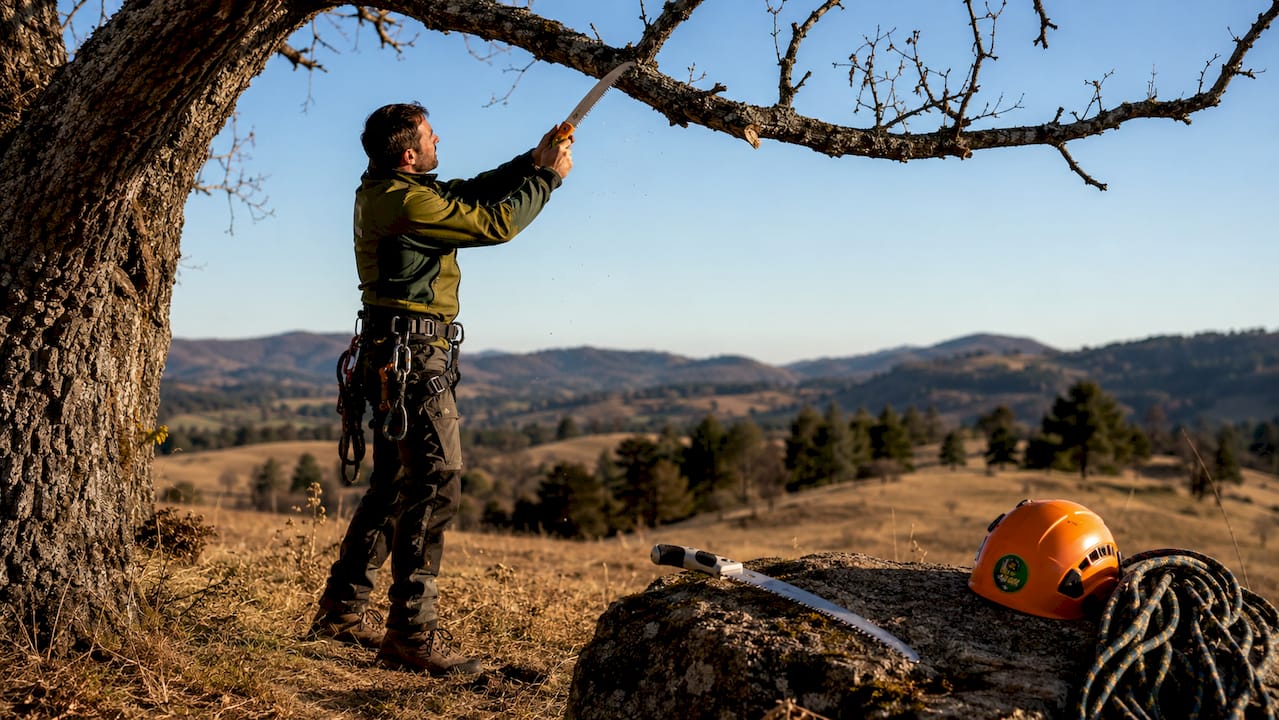
Overgrown and poorly maintained trees create three categories of risk: property damage, personal injury, and insurance complications. Each carries its own financial and legal weight.
Property damage includes fallen limbs on vehicles, roofs, fences, and utility lines. The costs are immediate and often uninsured when the owner cannot show they maintained the tree. Roof damage from falling branches, for example, is a common outcome of neglected trimming, and documenting roof damage after a storm becomes far more complicated when no maintenance records exist.
Personal injury claims are the most serious. A visitor, neighbor, or passerby injured by a falling limb can sue the property owner directly. Courts evaluate whether the owner knew about the hazard. Visible rot, cracks, leaning trunks, and dead branches are all signs courts treat as constructive knowledge. Ignoring them is legally equivalent to knowing about them.
Insurance complications are the third risk. Owners who fail to address known hazards can face higher premiums or outright claim denials. Insurers expect proof of reasonable care before they cover negligence claims tied to tree failures.
The liability risks of overgrown trees extend beyond your own property line. Property owners remain liable for trees that encroach on or cause damage to neighboring properties, even when neighbors trim branches up to the property line. You can be billed for corrective work and named in damage claims from next door.
"Courts and insurers look to consistent, professional care to gauge reasonable owner behavior. A single inspection or one-time trim is rarely enough to establish the pattern of conduct that satisfies the 'reasonable care' standard."
How does regular trimming and professional inspection reduce risk?
Scheduled trimming and annual inspections work together to cut liability risk at its source. Each addresses a different layer of the problem.
-
Schedule trimming every 2–3 years. A standard trimming cycle of every 2 to 3 years is the recognized benchmark for commercial properties. Residential properties benefit from the same schedule. Failing to maintain this cycle, especially when signs of decline are visible, significantly increases exposure to negligence claims.
-
Book annual professional inspections. Annual professional tree inspections identify liability-inducing hazards such as dead limbs, overhanging branches, root instability, and disease before storms increase the risk of failure. A visual check from the ground is not enough.
-
Address hidden defects. Some tree hazards are not externally visible. Only professional assessment can detect fungal rot, root-zone damage, and structural weaknesses that affect liability. Relying on appearance alone leaves serious risks unmanaged.
-
Reduce wind load through canopy thinning. Proactive thinning reduces the surface area that wind pushes against. This directly lowers the probability of limb failure during storms, which is when most tree-related injuries and damage occur.
-
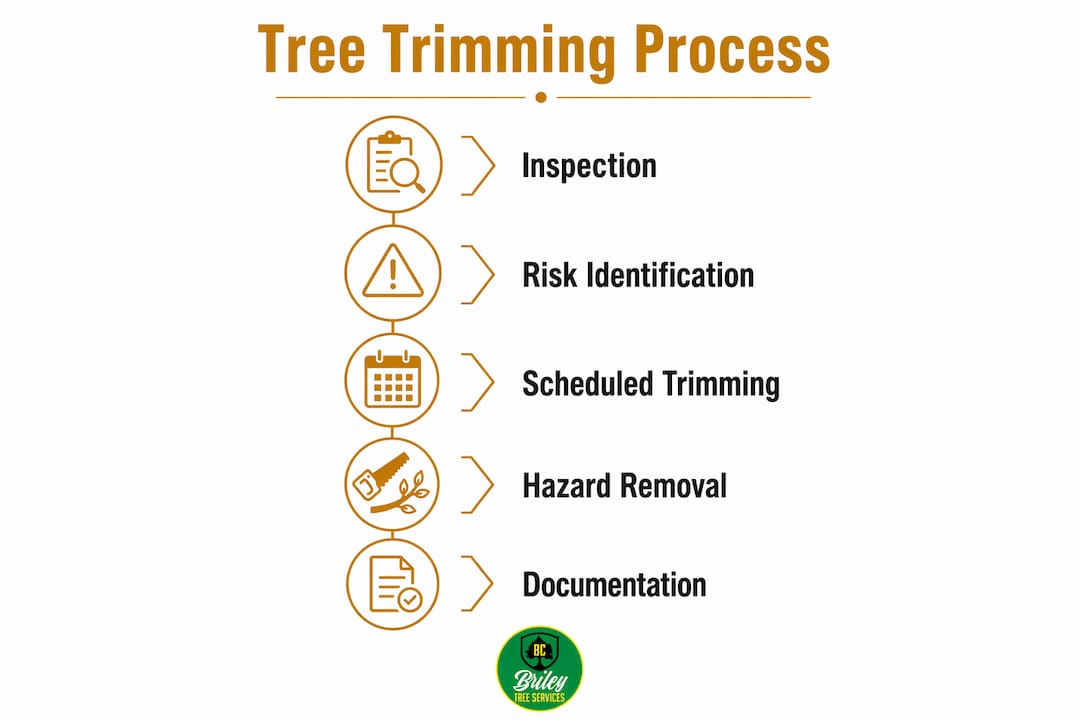
Document every service visit. Keep dated records of every inspection, trimming session, and arborist recommendation. This documentation is the evidence that establishes your "reasonable care" defense if a claim is ever filed.
Pro Tip: Ask your arborist to provide a written report after every visit, not just an invoice. A report that identifies specific hazards addressed, and any recommendations for follow-up, carries far more legal weight than a receipt alone.
The benefits of preventive trimming go beyond aesthetics. Maintained trees are structurally sound, less likely to fail, and far easier to defend in court or with an insurer.
What are the best practices for managing tree hazards?
A proactive, documented tree care program is the most effective way to manage tree hazards from a liability perspective. The goal is to shift your position from reactive to preventive before a loss event occurs.
Build an inspection schedule and rank trees by risk. Not every tree on your property carries equal risk. Trees near structures, power lines, walkways, and property boundaries get priority. Rank them by proximity to people and property, then schedule inspections accordingly.
- Inspect high-risk trees annually, at minimum.
- Schedule lower-risk trees on the standard 2–3 year trimming cycle.
- After any major storm, conduct a post-event walkthrough and document what you find.
- Flag trees with visible rot, cracks, or significant lean for immediate professional assessment.
Work only with certified, insured professionals. Hiring an uninsured tree service creates its own liability. If a worker is injured on your property, or if improper pruning causes a delayed failure, you may be responsible. Certified arborists follow industry standards for pruning cuts and structural assessment. Improper cuts, such as topping or flush cuts, weaken trees and increase long-term failure risk.
Avoid the most common pitfalls.
- Over-pruning removes too much canopy at once, stressing the tree and making it more vulnerable to disease and wind damage.
- Topping creates multiple weak regrowth points that are prone to breaking.
- Ignoring root zone issues, such as soil compaction or construction damage, leads to structural failures that are not visible from above.
Pro Tip: Keep a simple tree log for your property. Record the date, the tree, the work done, and the name of the professional who performed it. A spreadsheet or even a folder of dated invoices and reports is enough to establish a documented maintenance history.
Reactive maintenance after damage costs two to three times more than scheduled proactive trimming. That cost gap alone makes the case for prevention. Add the liability exposure from undocumented care, and the financial argument for a proactive program is clear.
| Risk factor | Proactive trimming outcome |
|---|---|
| Dead or overhanging limbs | Removed before storm season reduces failure risk |
| Dense canopy wind load | Thinning cuts reduce pressure during high winds |
| Hidden structural defects | Professional inspection detects rot and root damage early |
| Neighbor encroachment | Scheduled trimming prevents boundary disputes and claims |
| Insurance claim denial | Documented care supports "reasonable care" standard |
How does tree care affect insurance and legal outcomes?
Insurance coverage for tree-related property damage requires demonstrable, proactive care. Insurance companies expect proof of "reasonable care" through documented tree maintenance before covering negligence claims tied to tree failures. Without records, insurers may deny claims and cite owner neglect, leaving you to cover costs out of pocket.
The legal standard mirrors the insurance standard. Courts evaluate tree owner conduct against what a "reasonably careful" person would have done. In dense residential areas, that expectation is higher. A neighbor who can show you knew about a hazardous tree and did nothing has a strong negligence case. A neighbor who faces a property owner with two years of inspection reports and trimming records faces a much harder argument.
"Documentation of inspections, maintenance, and tree care decisions is critical to establishing 'reasonable care' for insurance claims and legal defense. Lack of records weakens defense and often leads to denied claims or increased premiums."
Documented tree care transforms professional tree maintenance from a cost into a legal asset. Courts and insurers both treat consistent, professional care as evidence of responsible ownership. Understanding tree service insurance requirements before hiring any contractor also protects you from secondary liability if a worker is injured during service.
What I've learned about liability-focused tree care
From my experience working with property owners on tree risk, the single biggest mistake I see is treating tree care as a landscaping expense rather than a risk management decision. Owners who think about trimming in terms of curb appeal are always the ones caught off guard when a claim lands on their desk.
The documentation piece is where most people fall short. They hire a professional, get the work done, and throw away the invoice. That invoice is evidence. The arborist's written assessment is evidence. A dated photo of a tree before and after trimming is evidence. None of it matters if you cannot produce it when an insurer or attorney asks.
I also think the 2–3 year trimming cycle is underused. Most residential owners wait until a tree looks bad before calling anyone. By that point, the hazard has existed for years, and the legal exposure has been building the whole time. Getting on a regular trimming schedule is the single most cost-effective risk management step a property owner can take.
The owners who handle this well treat their arborist like a contractor they check in with every year. That ongoing relationship means hazards get caught early, records stay current, and the property owner can demonstrate a consistent pattern of care. That pattern is what courts and insurers are actually looking for.
— Tatum
Brileytreeservice: professional tree care that protects your property
Brileytreeservice provides scheduled tree trimming, professional inspections, and documented maintenance programs for homeowners and property managers across Shreveport, Bossier City, and Northwest Louisiana.
Every service visit from Brileytreeservice includes a written record of work performed, hazards identified, and recommendations for follow-up. That documentation supports your "reasonable care" defense with insurers and in court. Whether you need a one-time assessment or an ongoing tree trimming program, Brileytreeservice delivers the professional, insured service that protects your property and your liability position. Contact Brileytreeservice today for a free estimate and get your tree care program on record.
FAQ
What makes a tree owner legally liable for damage?
A property owner is liable when they knew or should have known a tree was hazardous and failed to act. Visible signs like rot, cracks, or a significant lean are treated as constructive knowledge by courts.
How often should trees be professionally trimmed to reduce liability?
A trimming cycle of every 2–3 years is the recognized industry standard for both commercial and residential properties. Trees near structures, walkways, or property lines warrant more frequent inspection.
Does homeowner's insurance cover tree damage if I haven't maintained my trees?
Insurers expect documented proof of reasonable care before covering negligence claims tied to tree failures. Absent maintenance records, claims are frequently denied and costs fall to the owner.
Can I be liable for a tree that damages my neighbor's property?
Property owners remain liable for trees that encroach on or cause damage to neighboring properties. Documented inspections and prompt action on known hazards are the primary legal defense in these cases.
What records should I keep to protect myself from tree-related liability?
Keep dated inspection reports, trimming invoices, arborist assessments, and any written communications about tree hazards. This paper trail establishes the consistent, professional care that courts and insurers require.
Key takeaways
Regular, documented tree trimming is the most effective way to establish "reasonable care" and reduce liability exposure from tree-related property damage and personal injury claims.
| Point | Details |
|---|---|
| Trim on a 2–3 year cycle | This schedule is the industry standard for maintaining structural integrity and reducing negligence exposure. |
| Annual inspections catch hidden hazards | Professional assessments detect rot, root damage, and structural defects that visual checks miss. |
| Documentation is your legal defense | Dated inspection reports and trimming records establish "reasonable care" for insurers and courts. |
| Reactive care costs more | Post-damage trimming costs two to three times more than scheduled maintenance and carries higher liability risk. |
| Neighbor liability is real | Owners are responsible for trees that encroach on adjacent properties, making proactive care a boundary issue too. |