
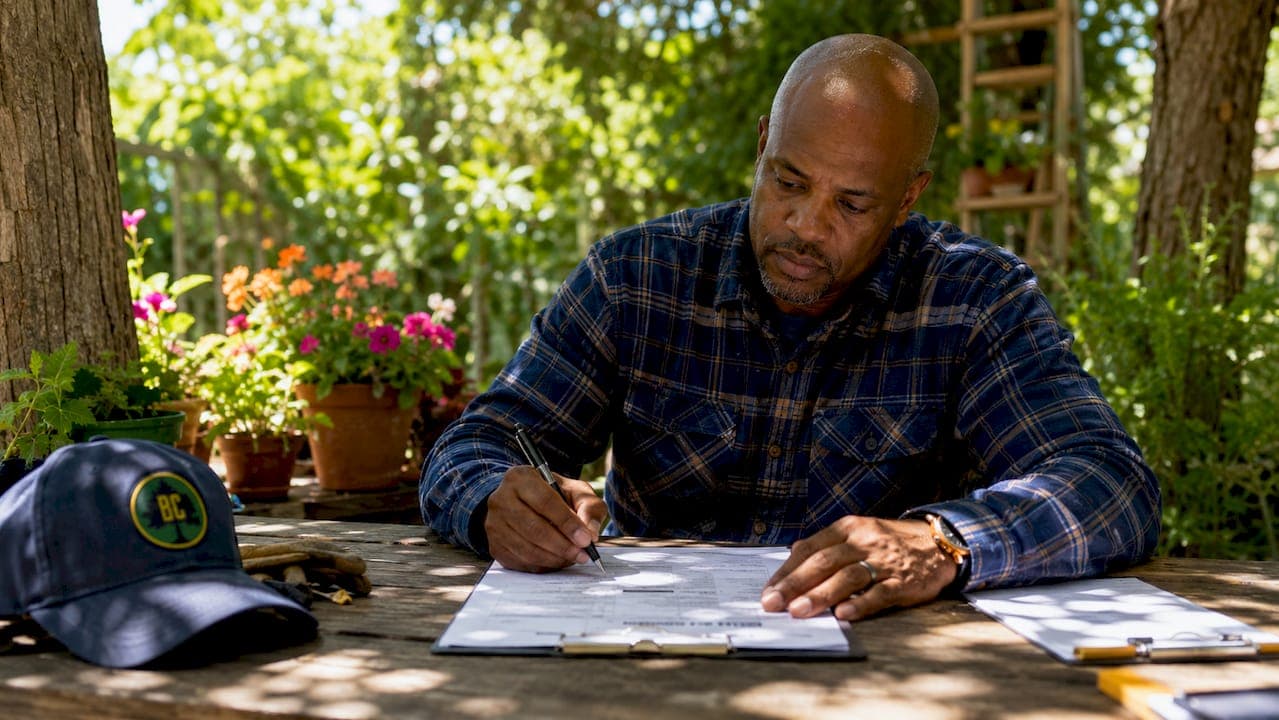
A tree maintenance contract is a legally binding agreement that specifies the scope, schedule, and terms for professional tree care services on a property. The industry standard term is a "tree care agreement," and both terms describe the same formal arrangement between a property owner and a licensed tree service provider. Home and commercial property owners use these contracts to secure scheduled pruning, risk assessments, and emergency storm response under defined pricing and service conditions. Brileytreeservice offers tailored tree care agreements for residential and commercial clients across Shreveport, Bossier City, and Northwest Louisiana, covering everything from routine inspections to emergency cleanup.
What is a tree maintenance contract and what does it include?
A tree care agreement defines every service a contractor will perform, the frequency of that work, and the standards it must meet. Typical inclusions cover routine pruning, structural assessments, stump grinding, debris cleanup, and emergency storm response. Contracts that meet professional standards reference ANSI A300 pruning guidelines and require work performed by ISA-certified arborists.
The specific services written into a contract matter more than the general category. A well-written agreement lists the number of trees covered, the pruning method (light crown cleaning versus structural pruning), stump grinding depth in inches, and cleanup expectations. Comprehensive contracts also specify written inspection reports, typically delivered within five business days of each site visit.
Property owners often assume their general landscaping contract covers tree care. Standard landscaping contracts frequently exclude true tree maintenance, which means hazard mitigation and storm response go unaddressed unless separately itemized. That gap becomes costly after a major storm when no contractor is obligated to respond.
- Routine pruning: Crown cleaning, deadwood removal, and structural pruning to ANSI A300 standards
- Risk assessments: Scheduled inspections by ISA-certified arborists using documented hazard formulas
- Stump grinding: Depth specified in inches, not left to interpretation
- Emergency storm response: Priority dispatch for contract clients over non-contract calls
- Written reports: Inspection findings and recommended follow-up actions delivered in writing
- Exclusions to watch for: Large-scale tree removal, disease treatment, and bracing are often billed separately
Pro Tip: Ask your contractor to list every service by name in the contract. If a task is not written down, assume it is not included.
How are tree care agreements structured legally and financially?
Tree care agreements fall into two legal structures: fixed-term and evergreen. A fixed-term contract runs for a defined period, typically one year, and expires unless both parties renew it. An evergreen contract automatically renews unless one party submits written notice within a specified window, often 60 days before the term ends.
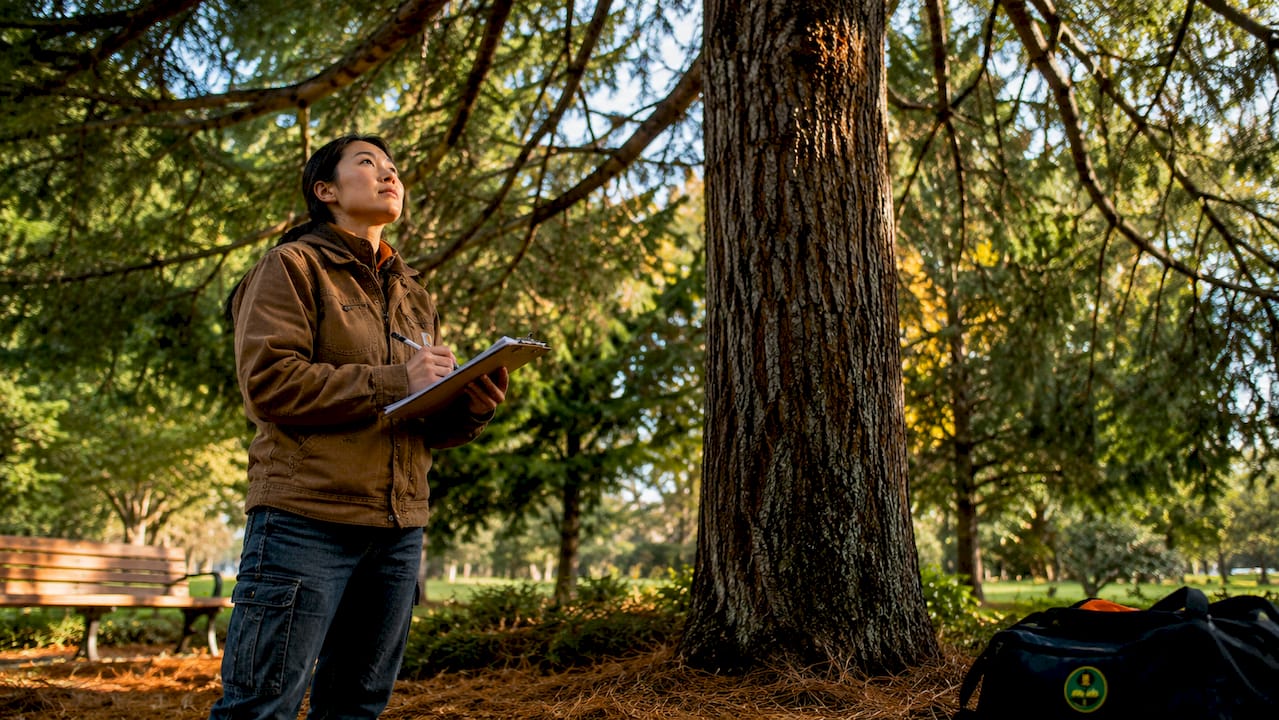
Notice windows range from 30 to 120 days depending on the contract. Missing a renewal deadline on an evergreen agreement binds a property owner to another full term. That detail is frequently buried in the legal language, so property owners should mark renewal deadlines on their calendar the day they sign.
Pricing follows two common models. Annual or quarterly flat-rate contracts provide predictable budgeting and typically include priority emergency response. Per-call billing costs less upfront but offers no service guarantees and no priority access during storm season. Arborist hourly rates run between $150 and $300, and specialized tasks like bracing or disease treatment raise costs significantly above base rates.
The financial terms to review before signing include:
- Scope of work: Every service listed explicitly, with quantities and specifications
- Pricing model: Flat-rate versus per-call, with any rate escalation clauses noted
- Renewal terms: Notice period, automatic renewal language, and exit conditions
- Liability and warranty: What the contractor covers if property damage occurs during service
- Insurance documentation: Physical certificates of insurance, not verbal assurances
A contract without a clear scope of work is not a contract. It is a handshake with legal language attached. Property owners who skip the fine print on renewal windows and service exclusions often discover the gap after a storm, not before.
What are the real benefits of a tree maintenance contract?
Scheduled risk assessments are the most undervalued benefit of a tree care agreement. ISA-certified arborists apply a standard risk formula, Probability x Consequences = Risk, to identify hazards before they cause damage. That proactive approach prevents liability claims, property damage, and emergency costs that reactive tree care cannot avoid.
Priority emergency response is a direct financial benefit. Commercial tree maintenance contracts guarantee contract clients are dispatched ahead of non-contract calls during storm events. After a major weather event, that priority access can mean the difference between a two-hour response and a two-day wait.
Flat-rate contracts also eliminate budget surprises. Property owners pay a fixed annual or quarterly fee and receive all contracted services within that amount. That predictability matters especially for commercial property managers overseeing multiple sites with fixed maintenance budgets.
- Hazard prevention: Documented inspections catch structural failures, disease, and root damage early
- Budget predictability: Flat-rate pricing removes per-incident cost spikes from the annual budget
- Priority storm response: Contract clients receive faster dispatch than non-contract callers
- Liability documentation: Written inspection reports create a paper trail that supports insurance claims
- Property value protection: Healthy, well-maintained trees add measurable curb appeal and reduce liability exposure
Fragmented vendor management creates service gaps that lead to neglected trees. A single accountable contractor covering tree care, inspections, and emergency response reduces the chance that maintenance tasks fall through the cracks between multiple vendors. For commercial properties, that consolidation also simplifies invoicing and accountability.
A broader home maintenance checklist that includes tree care alongside roofing, gutters, and exterior inspections gives property owners a complete picture of annual upkeep costs and helps prioritize spending before problems escalate.
How to manage and negotiate a tree service contract effectively
Reading the scope of work is the single most important step before signing any tree upkeep contract. Property owners should verify that every service they expect is written into the agreement, not assumed. Contract documentation must include physical insurance certificates and detailed service specifications, such as stump grinding depth in inches, to prevent disputes after the work is done.
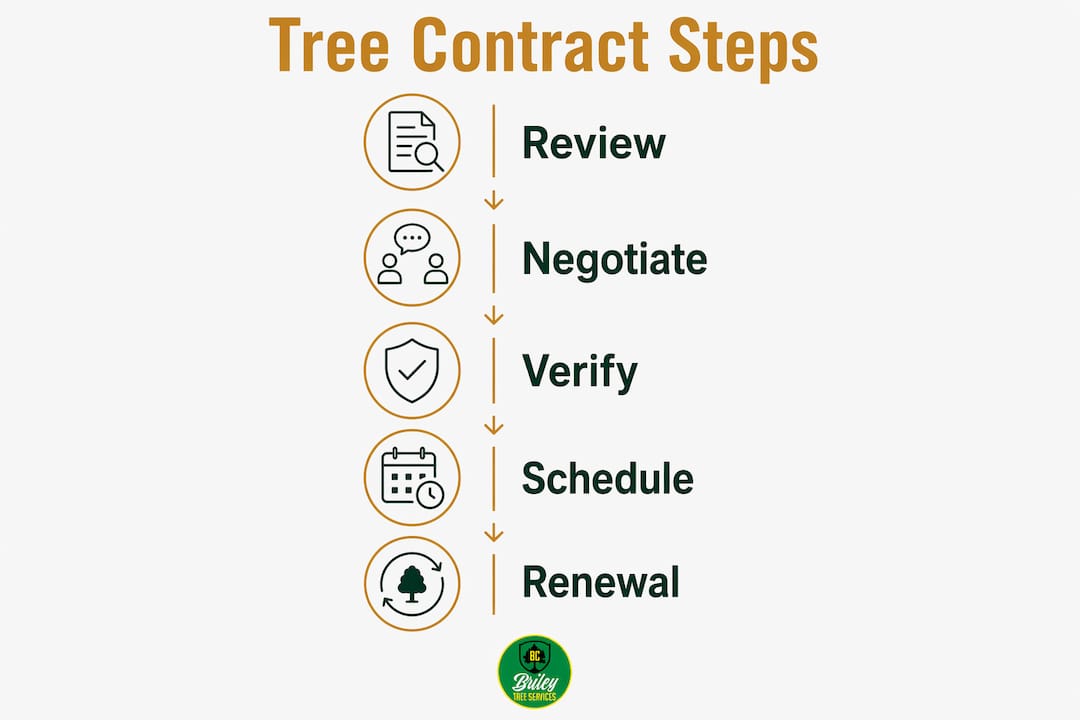
Renewal notice deadlines deserve a dedicated calendar reminder. Evergreen contracts trap property owners into unwanted extensions when notice windows are missed. Setting a reminder 90 days before the contract anniversary gives enough time to evaluate performance and decide whether to renew or give notice.
Contractor credentials protect property owners from liability. Verify that the crew holds ISA certification, that the company carries general liability and workers' compensation insurance, and that the contract names the specific arborist responsible for inspections. A contractor who resists providing physical insurance certificates is a contractor worth replacing.
Pro Tip: Request a sample inspection report before signing. A contractor who cannot show you what a written report looks like probably does not produce one.
Effective contract management also means coordinating tree care with other grounds maintenance. Integrated grounds care under one accountable vendor reduces service gaps. When tree care, irrigation, and lawn maintenance are split across three vendors, tasks like root zone management and soil aeration often go unassigned.
| What to verify | Why it matters |
|---|---|
| ISA arborist certification | Confirms technical competence and adherence to ANSI A300 standards |
| Physical insurance certificate | Protects property owner from liability if a worker is injured on site |
| Written inspection reports | Creates documentation for insurance claims and hazard tracking |
| Renewal notice window | Prevents automatic binding to an unwanted contract extension |
| Service exclusions listed | Clarifies what requires a separate quote versus what is already covered |
Key Takeaways
A tree maintenance contract protects property owners through scheduled risk assessments, predictable flat-rate pricing, priority emergency response, and written documentation that supports liability coverage.
| Point | Details |
|---|---|
| Define every service in writing | Verbal assumptions lead to disputes; list pruning type, stump depth, and cleanup explicitly. |
| Know your contract structure | Fixed-term contracts expire; evergreen contracts auto-renew unless notice is given 30–120 days prior. |
| Verify contractor credentials | Require ISA certification and physical insurance certificates before work begins. |
| Use flat-rate pricing for budgeting | Annual or quarterly flat rates eliminate per-incident cost spikes for predictable planning. |
| Track renewal deadlines | Mark the notice window on your calendar the day you sign to avoid unwanted auto-renewals. |
Why I think most property owners sign the wrong contract
Most property owners treat a tree care agreement like a utility bill. They sign it once, file it, and forget it until something goes wrong. That approach works fine until a storm hits or a tree fails a structural inspection, and then the contract language suddenly matters a great deal.
The most common mistake I see is assuming that a landscaping contract covers tree maintenance. Standard landscaping agreements almost never include hazard mitigation or emergency storm response. Property owners discover that gap after a fallen limb damages a roof or a car, not before.
The second mistake is ignoring renewal deadlines. Evergreen contracts are written to favor the contractor, not the client. The notice window is buried in paragraph four of the legal terms, and missing it by a week binds you to another full year of service whether you want it or not.
The fix is straightforward. Work with ISA-certified arborists who provide written inspection reports after every visit. Confirm that ANSI A300 standards are referenced in the contract. And read the renewal clause before you sign, not after. A tree care agreement should give you confidence, not surprises.
— Tatum
Brileytreeservice tree care agreements for Shreveport properties
Brileytreeservice provides professional tree maintenance services for residential and commercial properties throughout Shreveport, Bossier City, and Northwest Louisiana. Every contract includes scheduled inspections, pruning to ANSI A300 standards, stump grinding, and priority emergency storm response.
Brileytreeservice crews show up on time, deliver written reports after each visit, and carry full liability and workers' compensation insurance. Property owners receive a clear scope of work before any agreement is signed, with no hidden exclusions. Contact Brileytreeservice today for a free estimate and a customized tree care agreement built around your property's specific needs.
FAQ
What is a tree maintenance contract?
A tree maintenance contract is a formal agreement between a property owner and a tree service provider that defines the scope, schedule, pricing, and terms for recurring tree care services. It typically covers pruning, inspections, stump grinding, and emergency storm response.
What does a tree service contract renewal involve?
A tree service contract renewal requires the property owner to review the existing terms, confirm any service or pricing changes, and sign a new agreement before the current term expires. Evergreen contracts renew automatically unless written notice is submitted within the specified window, often 30 to 120 days before expiry.
How much does a tree maintenance contract cost?
Costs vary based on property size, number of trees, and service scope. Arborist hourly rates run between $150 and $300, and specialized tasks like bracing or disease treatment add to the base contract price. Flat-rate annual contracts provide more predictable budgeting than per-call billing.
What should I look for in a tree care agreement?
Verify that the contract lists every service explicitly, references ANSI A300 pruning standards, names an ISA-certified arborist, includes physical insurance certificates, and states the renewal notice window clearly. Any service not written into the agreement should be treated as excluded.
Do I need a separate contract for emergency tree services?
Most standard tree care agreements include priority emergency response for contract clients, but the specific terms vary. Property owners should confirm that emergency storm response is explicitly listed in the contract and that response time expectations are defined in writing.