
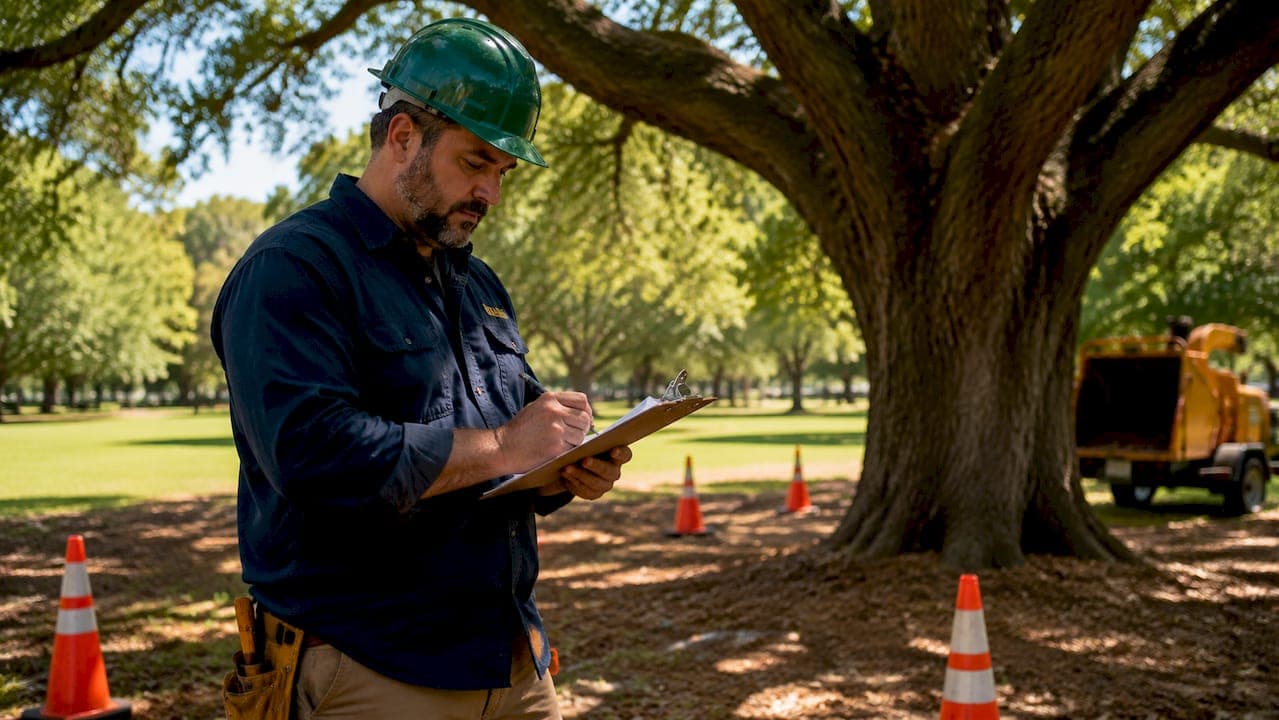
Tree service is defined as a professional care package covering on-site assessment, pruning, removal, stump grinding, emergency response, and preventive plant health management. Understanding what is included in tree service helps you avoid surprise charges, protect your property, and get the full value from every dollar you spend. Brileytreeservice serves homeowners and property managers across Shreveport, Bossier City, and Northwest Louisiana with exactly this full-scope approach. The difference between a good tree company and a bad one often comes down to what they include in writing before the first chainsaw starts.
What does a standard tree service include?
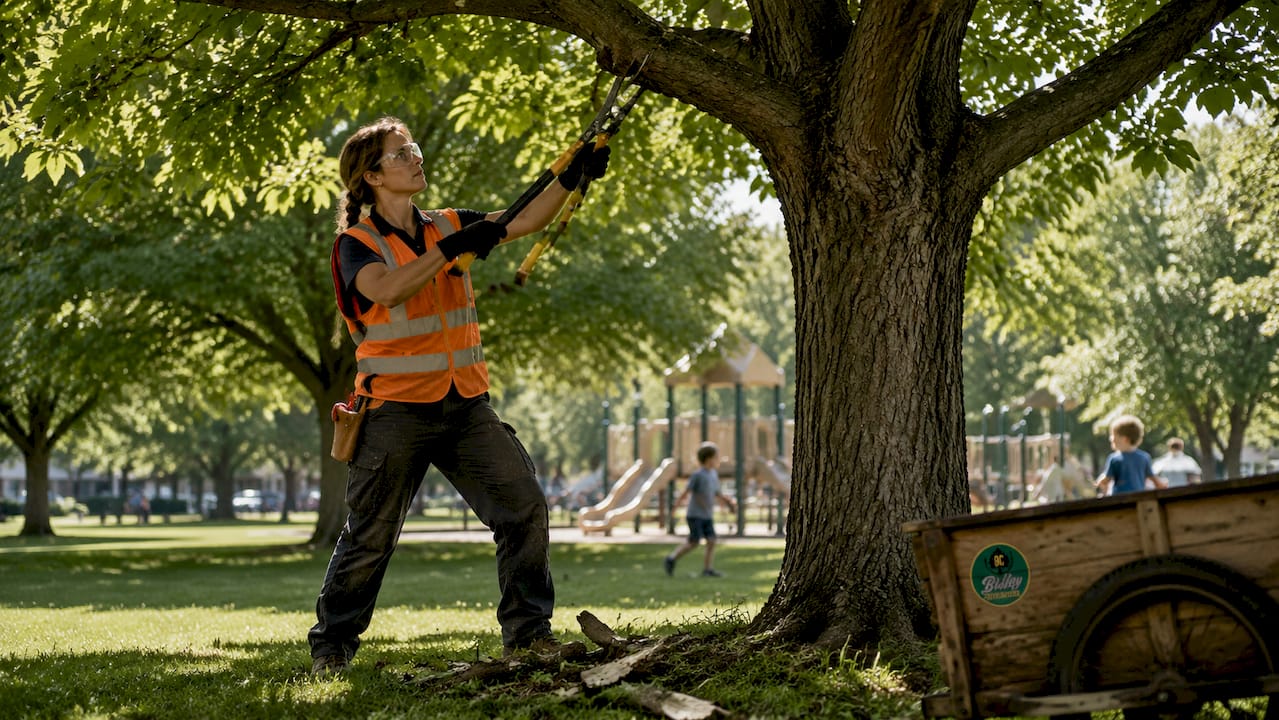
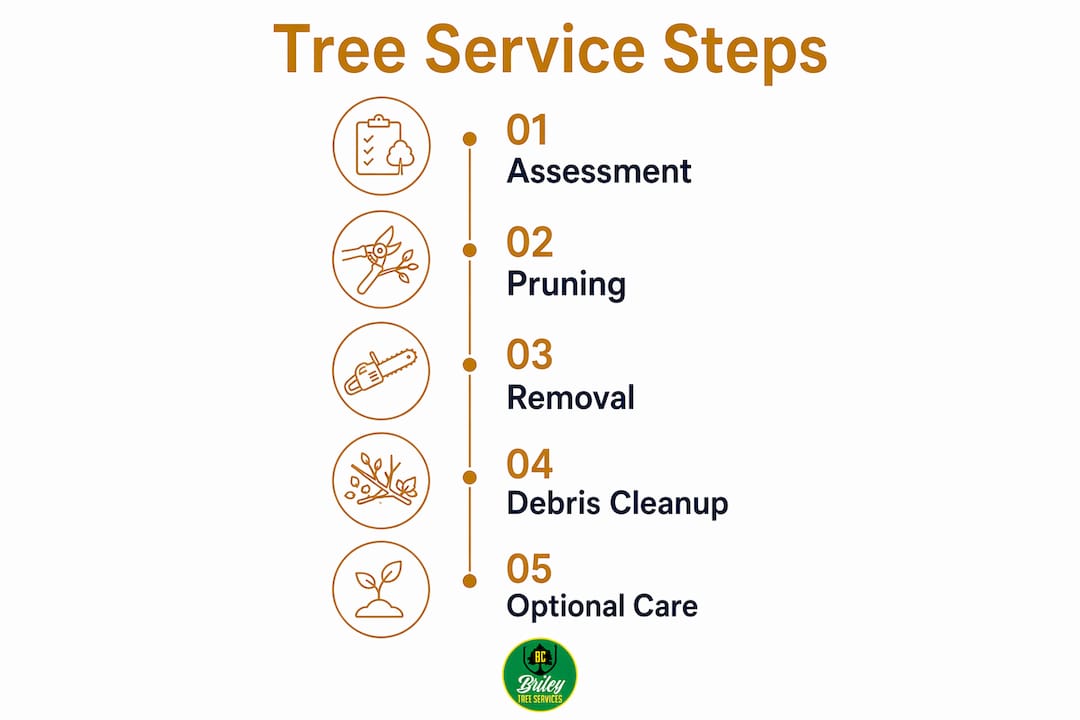
Professional tree service follows a full life-cycle approach: assessment, trimming, removal, stump grinding, emergency response, and preventive plant health care. Each component serves a specific purpose, and skipping any one of them can create problems down the road.
Here is what a reputable tree company delivers as part of standard tree service offerings:
- On-site assessment. An ISA Certified Arborist evaluates tree health, structure, and risk before any work begins. This step produces a written scope of work that defines exactly what will happen on your property.
- Tree pruning and trimming. Crews use techniques like crown cleaning, crown thinning, crown raising, and crown reduction following ANSI A300 standards. Proper pruning improves tree health, structure, and storm resistance. Topping is never acceptable under these standards and causes long-term damage.
- Tree removal. When a tree is dead, diseased, or structurally hazardous, removal is the safest option. The process includes felling, sectioning, and hauling away the material.
- Debris removal and cleanup. Most professional companies include hauling branches and wood off your property. Confirm this in writing, because some lower-priced bids exclude it.
- Emergency storm response. 24/7 emergency services cover fallen trees, broken limbs, and hazards near power lines after severe weather.
Pro Tip: Ask every company you call whether debris removal is included in the base price or billed separately. This single question can reveal hundreds of dollars in hidden costs.
How do certifications and standards shape tree service?
ISA certification and ANSI A300 standards are the two benchmarks that separate professional tree care from casual yard work. Knowing what they require helps you evaluate any company you hire.
- ISA Certified Arborist credential. The International Society of Arboriculture issues this credential after rigorous testing. An ISA certified arborist brings documented knowledge of tree biology, pruning science, and risk assessment to every job. Written scopes of work and safety planning are critical for liability protection and successful project execution.
- ANSI A300 pruning standards. These standards define which cuts are acceptable and which are harmful. Any company that proposes topping or flush cuts is not following ANSI A300 and should be disqualified immediately.
- General liability and workers' compensation insurance. Insurance coverage protects you if a crew member is injured on your property or if equipment damages your home. Always request certificates before work begins.
- Written contract with defined scope. A contract that specifies pruning methods, removal procedures, debris handling, and safety protocols protects both parties. Verbal agreements leave you exposed.
"A comprehensive tree service contract with certified staff and proper equipment is the best way to manage tree risk on residential properties." — Why Hiring Certified Professionals Matters
The written scope is not just paperwork. It is your guarantee that the crew will follow through on every task discussed during the estimate.
What optional services do tree companies offer?
Beyond the core tasks, many tree companies offer additional services that can extend tree life, improve your landscape, and handle complex situations. These are worth understanding before you sign any contract.
| Optional Service | What It Involves | Typical Pricing Status |
|---|---|---|
| Stump grinding | Grinding the stump several inches below grade for replanting or landscaping | Usually priced separately |
| Plant Health Care (PHC) | Soil analysis, pest diagnostics, fertilization, and systemic treatments | Subscription or per-visit fee |
| Crane-assisted removal | Using a crane for large or constrained-space removals | Added to removal cost |
| Seasonal inspections | Scheduled visits to catch problems before they escalate | Annual maintenance plan |
| Lot clearing and brush removal | Clearing overgrown areas for construction or landscaping | Project-based pricing |
Stump grinding is the most commonly misunderstood optional service. It is offered as a separate, optional service, typically involving grinding the stump several inches below grade. Clients should clarify whether mulch removal is included or the homeowner's responsibility. Leaving a stump in place is not just an eyesore. It invites pests and fungal disease that can spread to healthy trees nearby.
Preventive Plant Health Care programs include soil and pest diagnostics that are invisible to the naked eye, allowing treatment for pests and diseases before visible damage occurs. This shifts the relationship from reactive to proactive, which is almost always cheaper in the long run.
Crane-assisted removals increase safety and efficiency on complex or large tree jobs in constrained spaces. Though setup time is longer, crane use reduces hazards and speeds removal near structures or utility lines. Cheapest quotes usually exclude these critical safety measures, which is why a low bid near a power line should raise immediate concern.
Pro Tip: If a tree sits within 10 feet of your home or a utility line, ask specifically whether crane rigging is included in the removal estimate. Skipping it to save money can create far greater liability.
How should you evaluate tree service estimates?
Comparing quotes by scope and safety standards, not only price, avoids surprises and ensures full-service coverage. A $400 difference between two bids often reflects what one company left out, not what the other is overcharging.
When you receive an estimate, check for these specifics:
- Pruning method details. The quote should name the technique being used, such as crown thinning or crown raising, not just say "trimming." Vague language means vague results.
- Removal and debris handling. Confirm whether wood hauling, branch chipping, and stump grinding are included or listed as add-ons. Low bids often exclude insurance or full cleanup, resulting in risks or surprise costs for homeowners.
- Equipment and safety measures. For large trees or tight spaces, ask whether climbers, bucket trucks, or cranes are part of the plan. The answer tells you how seriously the company takes safety.
- Insurance certificates. Request a current certificate of general liability and workers' compensation before signing. A company that hesitates to provide this is a company to avoid.
- Crew certifications. Ask whether an ISA Certified Arborist will be on-site or just supervising remotely. On-site certification matters for complex jobs.
- Trimming techniques used. Modern pruning methods following ANSI A300 produce healthier trees with better storm resistance. Confirm the company follows these standards.
The goal is not to find the cheapest bid. The goal is to find the bid that covers everything your trees actually need, with documentation to back it up.
Key takeaways
Professional tree service covers far more than cutting and hauling. Every homeowner should know what to expect and what to demand in writing.
| Point | Details |
|---|---|
| Core services are defined | Standard tree service includes assessment, pruning, removal, debris cleanup, and emergency response. |
| Certifications matter | ISA Certified Arborists and ANSI A300 standards separate professional work from guesswork. |
| Stump grinding is usually extra | Confirm stump and mulch removal costs in writing before signing any contract. |
| Low bids often exclude coverage | Cheap quotes frequently omit insurance, debris removal, or crane rigging for complex jobs. |
| Preventive care saves money | Plant Health Care programs catch pest and disease problems before they require costly removals. |
Why homeowners underestimate what tree service really covers
Most homeowners I talk to think tree service means someone shows up, cuts a branch, and leaves. That assumption costs them money every single time. The real scope of professional tree care is much wider, and understanding it changes how you shop for it.
The biggest mistake I see is waiting for a crisis. Homeowners often wait for emergencies before seeking tree service, but regular preventive care is more cost-effective and preserves tree health. A $200 annual inspection catches the disease that would have turned into a $2,000 removal two years later. That math is not complicated, but most people do not think about it until a tree falls on their fence.
The second mistake is treating all bids as equivalent. Two quotes for the same job can look similar on paper but represent completely different levels of service. One includes an ISA Certified Arborist on-site, proper rigging, debris removal, and insurance. The other includes none of those things. The price difference is real, but so is the risk difference.
My honest advice: read the written scope before you read the price. If the scope is vague, the price is irrelevant. A clear contract is the only thing standing between you and a dispute over what was supposed to happen on your property.
— Tatum
Get expert tree care from Brileytreeservice
Brileytreeservice delivers the full range of professional tree care services described in this guide, from certified arborist assessments to emergency storm cleanup across Shreveport, Bossier City, and Northwest Louisiana.
Whether you need a hazardous tree removed, overgrown branches trimmed to ANSI A300 standards, or stump grinding after a removal, Brileytreeservice handles it all with licensed crews and proper insurance. Every job includes cleanup, and every estimate is free. Property managers and homeowners throughout the region trust Brileytreeservice because the scope of work is always clear before the crew arrives. Contact Brileytreeservice today for a free tree removal estimate and get a written quote that covers everything your property needs.
FAQ
What does a full tree service typically include?
A full tree service includes on-site assessment by an ISA Certified Arborist, pruning or removal, debris cleanup, and aftercare guidance. Emergency storm response and stump grinding may be included or priced separately depending on the company.
Is stump grinding always part of tree removal?
Stump grinding is offered as a separate, optional service in most cases and is not automatically included in a tree removal quote. Always confirm in writing whether stump grinding and mulch removal are part of the contract.
How much does tree service cost for a typical job?
Tree service costs vary based on tree size, location, complexity, and whether optional services like crane rigging or stump grinding are included. Comparing quotes by scope and safety standards, not only price, gives you the most accurate picture of true value.
Why does ISA certification matter when hiring a tree company?
An ISA Certified Arborist has passed standardized testing on tree biology, risk assessment, and pruning science. This credential means recommendations are based on established standards, not guesswork, which protects both your trees and your property.
What is plant health care in tree service?
Plant Health Care is a preventive program that includes soil analysis, pest and disease diagnostics, fertilization, and systemic treatments. It extends tree life and prevents costly removals by catching problems before visible damage occurs.