

A tree removal project timeline is defined as the total time from your first call to a tree service through final cleanup, typically spanning 2 to 5 weeks for most residential jobs. That range surprises most homeowners who assume the crew shows up the next day and finishes by noon. The reality involves distinct phases: initial consultation, permit processing, scheduling, active removal, stump grinding, and cleanup. Each phase adds time, and several factors, including tree size, yard access, and local permit requirements, can push the total duration toward the longer end. Understanding the full tree felling project timeline before you book helps you plan around it, not react to it.
What is a tree removal project timeline?
A tree removal project timeline covers every step from first contact to the moment your yard is clear. On-site extraction generally happens within 5 to 10 business days after consultation, but the full project, including permits and scheduling, stretches the total to 2 to 5 weeks. That gap between "we talked to someone" and "the tree is gone" is where most homeowners get caught off guard.
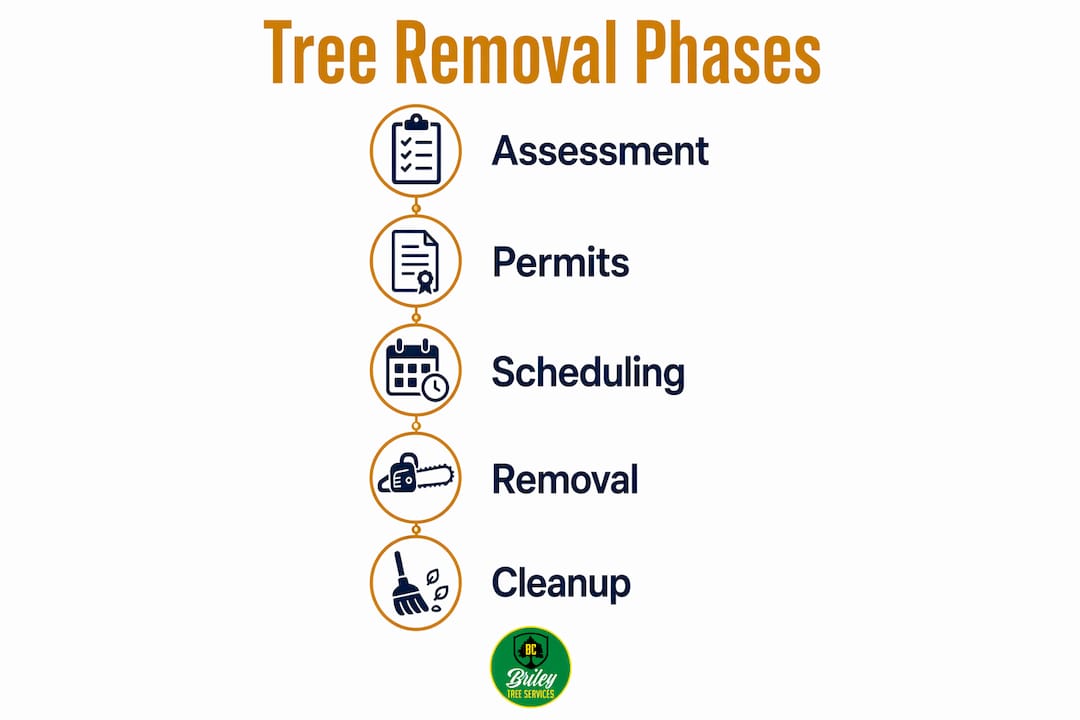
The timeline breaks into five clear phases. First, a certified arborist or crew lead visits your property for an assessment, usually within 1 to 3 days of your call. Second, if your municipality requires a permit, that application goes in immediately after the assessment. Third, the job gets scheduled based on crew availability and season. Fourth, the active removal happens on-site. Fifth, stump grinding and cleanup close out the project.
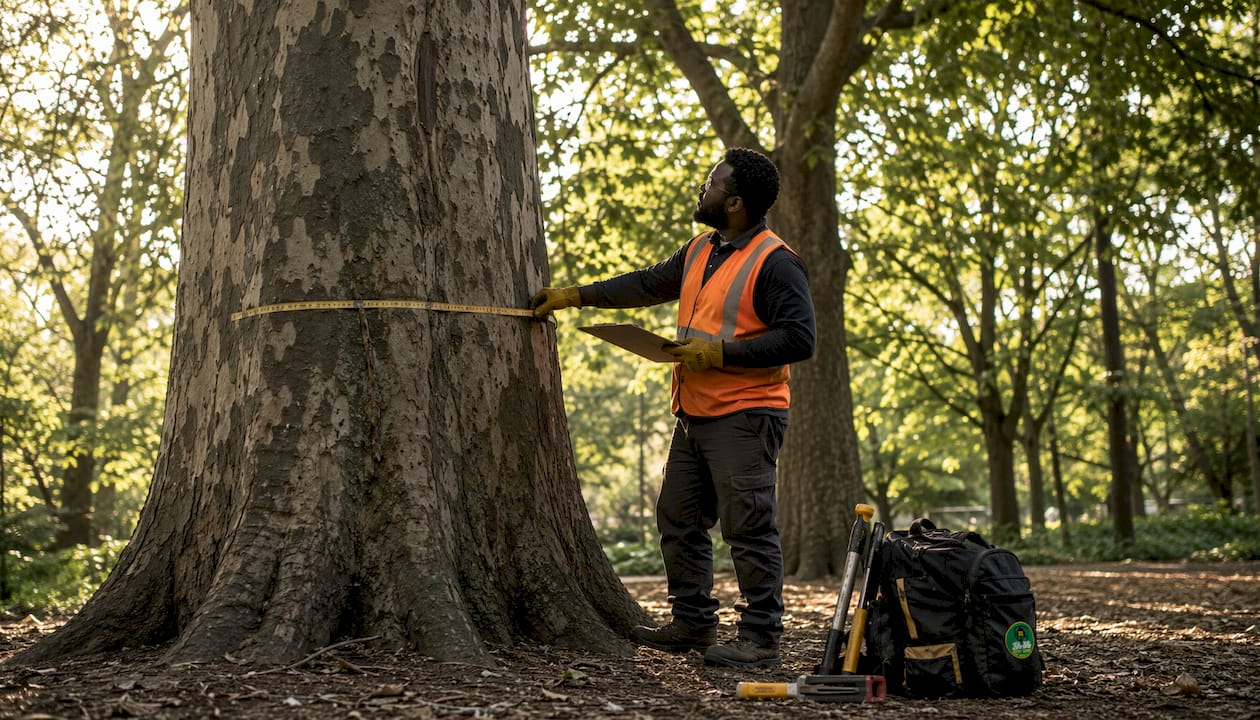
Pro Tip: Ask your tree service provider on day one whether your property requires a permit. Getting that answer early prevents the most common source of timeline delays.
What are the main phases of a tree removal project?
Each phase of the tree removal process has a predictable duration range. The table below shows typical timeframes for a standard residential removal.
| Phase | Typical Duration |
|---|---|
| Initial consultation and assessment | 1–3 days |
| Permit application and approval | 5–10 business days |
| Scheduling and crew booking | 3–7 days |
| Active removal on-site | 1–10+ hours |
| Stump grinding | 30 minutes to 2 hours |
| Final cleanup | 1–3 hours |
Permit processing is the most variable phase. Permit processing adds 5 to 10 business days for trees over 6 inches in diameter in regulated cities. Most professional tree services handle the permit application for you, which saves time and reduces errors.
Stump grinding is a separate task that homeowners often overlook when budgeting their schedule. Stump grinding adds 30 minutes to 2 hours depending on stump size and wood hardness. If you want it done the same day as removal, confirm that with your provider when booking. For a full breakdown of what that service includes, see stump removal services explained.
Final cleanup, including raking, blowing, and hauling debris, adds 1 to 3 hours to total project time. Quality providers treat cleanup as part of the job, not an add-on.
How do tree size, location, and condition affect the removal timeline?
Tree size is the single biggest driver of on-site removal time. Small trees take 1 to 3 hours, medium trees 2 to 6 hours, and large or complex trees 4 to 10 hours or longer. A 20-foot ornamental tree in an open backyard is a fundamentally different job than a 70-foot oak wedged between a fence and a roofline.
Location affects method, and method affects time. Trees near structures require section-by-section dismantling, roughly doubling removal duration compared to open-access trees. That means a tree that would take 3 hours in an open yard can take 6 or more hours when it sits 4 feet from your house. Rigging, controlled lowering, and careful positioning of each cut section all add labor time.
Tree condition matters just as much as size. Damaged or unstable trees require slower, more cautious removal because the crew cannot predict how a compromised trunk or root system will behave under stress. A tree that looks manageable from the street may have internal rot that changes the entire removal approach once the crew is on-site.
Crane use adds another layer of time. Cranes require 45 to 90 minutes of setup before active cutting begins. Not every job needs a crane, but large trees in tight spaces often do. When a crane is involved, factor that setup time into your expectations for the removal day.
Here is a quick summary of factors that extend on-site time:
- Limited yard access requiring sectional dismantling
- Trees leaning toward structures or power lines
- Internal decay or storm damage requiring cautious cuts
- Crane setup for large or complex removals
- Root systems close to utilities or hardscaping
Pro Tip: Before calling for a quote, measure your tree's trunk diameter at chest height and note what surrounds it within 20 feet. That information helps your provider give you a more accurate timeline estimate on the first call.
What role do permits and scheduling play in overall project timing?
Permits and scheduling backlogs, not on-site work, often constitute the longest portion of the overall tree removal planning schedule. Scheduling backlog during peak seasons, combined with permitting and utility coordination, regularly extends the wait before a crew ever sets foot on your property.
Permit requirements vary by city and county. Some jurisdictions require permits only for trees above a certain diameter. Others require them for any removal near a property line or protected species. Your tree service provider should know the local rules, but you can also check with your city's public works or urban forestry department directly.
Seasonal demand shifts wait times significantly. Peak seasons in spring and autumn can double wait times due to high demand. Booking in late fall or winter typically means shorter waits and, in many markets, better pricing. For more detail on how provider availability shifts by season, see tree service response time.
Emergency removals follow a different path. A tree that falls on a structure or blocks a road gets prioritized. Emergency removals can be responded to within 2 to 4 hours for critical cases. Standard non-emergency removals do not receive that priority, so plan accordingly if your situation is not urgent.
Key scheduling considerations for homeowners:
- Book at least 2 to 3 weeks ahead during spring and fall
- Ask whether your provider handles permit applications
- Confirm utility line clearance requirements before scheduling
- Request a written timeline estimate with each phase listed
What should a homeowner expect on removal day?
Removal day follows a predictable sequence. Crew setup and site safety preparations take 30 to 60 minutes before any cutting begins. The crew positions equipment, establishes safety zones, and walks the site to confirm the removal plan. Homeowners should keep children and pets inside during this phase.
The table below shows how a typical removal day breaks down by activity.
| Activity | Estimated Time |
|---|---|
| Crew arrival and equipment setup | 30–60 minutes |
| Safety zone establishment | 15–30 minutes |
| Active felling or sectional dismantling | 1–10+ hours |
| On-site debris processing and chipping | 30–90 minutes |
| Stump grinding (if same-day) | 30 minutes to 2 hours |
| Final cleanup and walk-through | 1–3 hours |
Contractors prioritize controlled precision over speed for trees near homes, which extends the timeline but protects your property. A crew rushing a removal near a roofline is a crew cutting corners. Slower, deliberate work near structures is the professional standard, not a sign of inefficiency.
Practical tips for homeowners on removal day:
- Clear a path from the street to the tree for equipment access
- Move vehicles, furniture, and fragile plants away from the work zone
- Stay available by phone in case the crew has questions
- Confirm debris disposal preferences before the crew starts
For a detailed look at what happens after the tree comes down, the tree service cleanup guide covers the full post-removal process.
How can homeowners plan effectively for their removal project?
Effective planning starts before you make the first call. Gather basic information about your tree: its approximate height, trunk diameter, and what surrounds it within 20 feet. That data speeds up the quoting process and helps your provider give you a realistic tree removal process duration on the first contact.
Yard preparation reduces delays on removal day. Move vehicles, outdoor furniture, and potted plants out of the work area the day before. Protect any garden beds or landscaping near the tree with temporary fencing or tarps. For a full preparation checklist, see how to prepare your yard before removal day.
Communicate your cleanup expectations clearly when booking. Some homeowners want all debris hauled away. Others want logs left for firewood. The cleanup level you choose affects both project length and cost. Settling that detail upfront prevents last-minute changes that slow the crew down.
Pro Tip: If you have multiple trees to remove, schedule them together. Crews can often handle several trees in one visit, which reduces total project time and may lower your overall cost.
Managing expectations during peak seasons is also part of the plan. If you call in april and need the tree gone by may, you may be disappointed. Book early, confirm your permit status, and build a buffer of at least one week into your expected completion date.
Key Takeaways
A tree removal project timeline spans 2 to 5 weeks from first contact to final cleanup, with permits and scheduling often taking longer than the actual on-site removal work.
| Point | Details |
|---|---|
| Total timeline | Most residential removals take 2 to 5 weeks from initial call to completed cleanup. |
| Permits add wait time | Permit processing adds 5 to 10 business days, especially for regulated tree sizes. |
| Tree size drives on-site time | Small trees take 1 to 3 hours; large or complex trees can take 10 or more hours. |
| Season affects scheduling | Spring and fall demand can double wait times; winter booking is faster and often cheaper. |
| Cleanup is part of the job | Final debris removal and stump grinding add 1 to 5 hours to the total project day. |
What I've learned about timelines after years in tree work
The most common mistake homeowners make is treating the removal day as the whole project. They call on a Monday expecting the tree gone by Wednesday. When that does not happen, frustration sets in. The truth is that the on-site work is often the shortest part of the entire process.
Permitting and scheduling are where time actually goes. I have seen straightforward jobs delayed two weeks simply because the homeowner did not know a permit was required, and the application had to start from scratch after the crew arrived. That is a preventable problem. A good provider asks about permits on the first call and handles the paperwork.
Tree condition is the variable that surprises crews most often. A tree can look stable from the ground and reveal serious internal decay once the first cut is made. That changes the removal approach immediately. Experienced crews adapt without drama, but it does add time. Homeowners who understand this in advance do not panic when the job runs longer than the original estimate.
My honest advice: choose a provider who gives you a written phase-by-phase estimate, not just a price. If a company cannot tell you how long each step will take, they have not thought the job through. Brileytreeservice builds that detail into every estimate, which is why the jobs we handle rarely produce timeline surprises for the homeowner.
— Tatum
Brileytreeservice: professional tree removal for Shreveport homeowners
Brileytreeservice serves Shreveport, Bossier City, and Northwest Louisiana with professional tree removal services for residential and commercial properties. The team handles every phase of the project, from initial assessment and permit coordination through active removal, stump grinding, and full cleanup.

Brileytreeservice crews are experienced with trees of all sizes and site conditions, including tight residential yards, storm-damaged trees, and large canopy removals near structures. Every job includes a thorough cleanup and a final walk-through to confirm the property is left in good condition. Contact Brileytreeservice today for a free estimate and a clear, phase-by-phase timeline for your removal project.
FAQ
How long does a typical tree removal take from start to finish?
Most residential tree removal projects take 2 to 5 weeks from the initial call through final cleanup. On-site extraction typically happens within 5 to 10 business days after the consultation.
Do I need a permit before removing a tree?
Many municipalities require permits for trees over 6 inches in diameter or trees near property lines. Permit processing adds 5 to 10 business days, so confirm requirements with your provider before scheduling.
How long does the actual cutting take on removal day?
On-site removal time depends on tree size: small trees take 1 to 3 hours, medium trees 2 to 6 hours, and large or complex trees 4 to 10 hours or more.
When is the best time to schedule a tree removal?
Late fall and winter offer shorter scheduling waits and often better pricing. Spring and fall are peak seasons, and demand can double typical wait times.
Is stump grinding included in the removal timeline?
Stump grinding is usually a separate task. It adds 30 minutes to 2 hours to the project, depending on stump size and wood hardness, and can often be scheduled the same day as removal if arranged in advance.